Summary
The International Atomic Energy Agency (IAEA) has expressed serious worry following reports of new attacks on the Bushehr nuclear power plant in Iran. This facility is a major part of the country's energy system and sits along the coast of the Persian Gulf. The UN watchdog is calling for all sides to show restraint to prevent a major nuclear accident. Experts warn that any damage to the reactor could lead to a radiation leak that would affect many countries in the region.
Main Impact
The primary impact of these reported attacks is the immediate threat to regional safety and the environment. If a nuclear reactor is hit, the containment structures could fail, leading to the release of radioactive materials. This would not only harm the people living near the plant but could also contaminate the Persian Gulf. Since many countries in the area rely on this water for drinking and fishing, a leak would create a massive humanitarian crisis that crosses national borders.
Key Details
What Happened
Iran recently informed the IAEA that its nuclear facility at Bushehr was targeted in new attacks. While the full extent of the damage has not been made public, the report was serious enough to trigger an official warning from the United Nations. Rafael Grossi, the Director General of the IAEA, spoke out quickly to remind the world that nuclear power plants are not military targets. He explained that any strike on such a site is a direct violation of international safety standards that were created to protect the planet from nuclear disasters.
Important Numbers and Facts
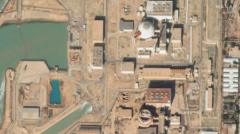
The Bushehr plant is a 1,000-megawatt facility located about 17 kilometers south of the city of Bushehr. It is Iran's first commercial nuclear power plant and provides a large amount of electricity to the national grid. The project had a long history, starting in the 1970s and finally beginning operations in 2011. Because it uses water from the Persian Gulf for cooling, its location is very sensitive. Any disruption to the cooling system, even without a direct hit on the reactor core, could lead to a dangerous overheating event.
Background and Context
Nuclear power plants are built with very thick walls and strong safety systems. However, these structures are designed to handle natural disasters like earthquakes or accidental fires, not modern military weapons. The Bushehr plant has often been at the center of international debates regarding Iran's nuclear program. While this specific plant is used for civilian electricity, the tension in the region makes it a high-risk location. The IAEA has spent years trying to establish "no-fly zones" and safety buffers around nuclear sites worldwide to ensure that conflict does not lead to a radiation catastrophe.
Public or Industry Reaction
The international community has reacted with alarm to the news. Leaders from neighboring countries have expressed fear that a disaster at Bushehr would ruin the local environment for decades. Nuclear experts have also pointed out that the Persian Gulf is a relatively small and enclosed body of water. This means that any radioactive pollution would stay in the area for a long time rather than being washed away into the open ocean. Many organizations are now calling for an independent inspection to check the current safety status of the plant and ensure that all backup systems are still working correctly.
What This Means Going Forward
Moving forward, the IAEA will likely push for more monitoring of the Bushehr site. There may be calls to create a protected zone around the facility where no military activity is allowed. If the attacks continue, it could lead to a shutdown of the plant to prevent a disaster, which would cause power shortages across Iran. The situation also puts pressure on international diplomats to find a way to lower the heat in the region. The risk of a "dirty" accident—where conventional explosives spread radioactive material—remains a top concern for security agencies around the world.
Final Take
The safety of a nuclear plant is not just a local issue; it is a global one. Any damage to the Bushehr facility could have consequences that last for generations. The warning from the IAEA serves as a vital reminder that some places must remain off-limits during conflict to protect the lives of millions of people and the health of our shared environment.
Frequently Asked Questions
What is the Bushehr nuclear plant?
It is Iran's main civilian nuclear power station, located on the coast of the Persian Gulf. It produces electricity for millions of homes and businesses in the country.
Why is an attack on a nuclear plant so dangerous?
An attack can damage the cooling systems or the reactor itself. This can lead to a meltdown or a leak of radioactive material, which causes long-term health problems and environmental damage.
What is the IAEA's role in this situation?
The IAEA is the United Nations' nuclear watchdog. Its job is to monitor nuclear sites, ensure they are used for peaceful purposes, and warn the world if there is a risk of a nuclear accident.