Summary
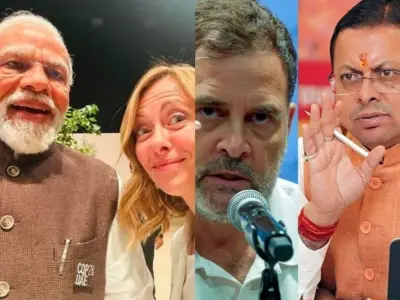
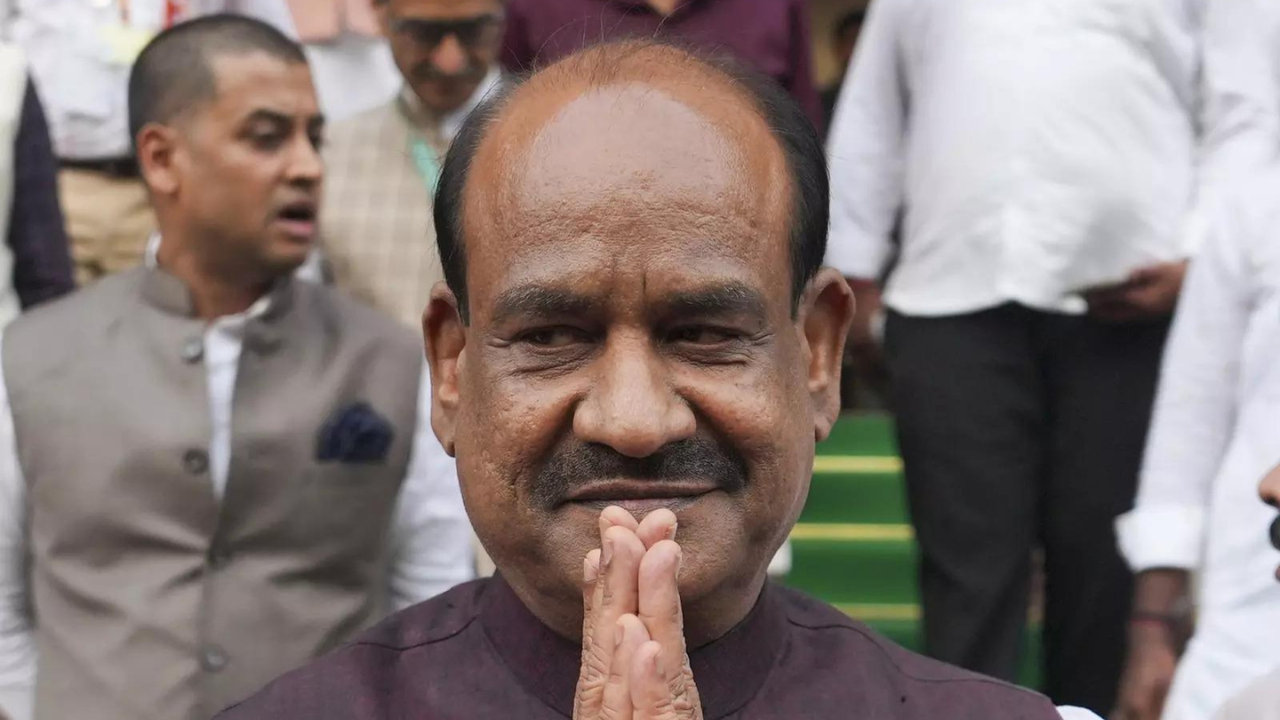
The Budget Session of Parliament is starting again, and it looks like it will be a very busy and loud time. The main event is a big disagreement between the government and the opposition parties. The opposition, known as the INDIA bloc, has filed a special notice to show they do not have confidence in the Lok Sabha Speaker, Om Birla. While this move is mostly for show and is not expected to remove the Speaker, it is a way for the opposition to show they are united before upcoming state elections.
Main Impact
This session is important because it sets the tone for the rest of the political year. The fight over the Speaker's role will likely slow down the normal work of making laws. When the government and the opposition fight this openly, it often leads to many protests and delays in the House. The impact goes beyond the walls of Parliament, as both sides want to prove to voters that they are the ones fighting for the people's interests. This showdown will likely make it harder for the two sides to agree on important financial bills and new policies.
Key Details
What Happened
As the second part of the Budget Session begins, the opposition parties have decided to challenge Speaker Om Birla. They claim that the way the House is being run is not fair to them. By bringing a no-confidence motion, they are forcing a debate on how the Speaker handles daily business. The government, led by the Prime Minister, has made it clear that they fully support the Speaker. They believe the opposition is just trying to create a distraction instead of talking about the budget and other important national issues.
Important Numbers and Facts
The motion against the Speaker requires a certain number of members to support it before it can even be discussed. While the opposition has enough members to start the talk, they do not have the total numbers needed to actually win a vote. This is why experts call it a "symbolic" move. During this session, the opposition also plans to bring up global issues. These include new taxes on goods sent to the United States, often called tariffs, and recent international news reports like the Epstein files. They want to ask the government how these global events might affect India's economy and reputation.
Background and Context
To understand why this is happening, we have to look at the timing. Several states in India are getting ready for elections soon. In Indian politics, Parliament is often used as a stage to reach voters across the country. The opposition wants to show that they are a single, strong group that can challenge the government. On the other side, the government wants to show that the opposition is only interested in causing trouble and stopping progress. The Speaker of the Lok Sabha is supposed to be a neutral person who makes sure everyone follows the rules. When the opposition attacks the Speaker, they are usually trying to say that the government is being too controlling.
Public or Industry Reaction
People who follow politics closely are divided on this move. Some say that the opposition has a right to question how Parliament is run if they feel their voices are being silenced. They believe a strong debate is good for democracy. However, many business leaders and regular citizens are worried that these fights will stop important work from getting done. If Parliament is constantly paused because of shouting and protests, the budget might not be discussed properly. This can create uncertainty for the economy and for people waiting for new government programs to start.
What This Means Going Forward
In the coming days, we can expect a lot of heated speeches from both sides. The government will likely try to push through its financial plans quickly, while the opposition will try to block them until their concerns are heard. If the no-confidence motion is debated, it will be a rare and historic moment in the House. Even if the Speaker stays in his position, the arguments made during the debate will be used by both sides in their election campaigns. The next few weeks will show if the government and the opposition can find a way to work together or if the session will end with very little work actually finished.
Final Take
The current situation in Parliament is more about political power than just passing laws. While the no-confidence motion against the Speaker is unlikely to change who sits in the chair, it highlights the deep divide in Indian politics today. Both sides are using this session to prepare for the bigger battle at the ballot box. For the average citizen, the hope is that amidst all the political drama, the important issues of the budget and the economy do not get ignored.
Frequently Asked Questions
What is a no-confidence motion against the Speaker?
It is a formal way for members of Parliament to say they no longer trust the Speaker to lead the House fairly. If it passes, the Speaker must step down, but this requires a majority of votes.
Why is the opposition bringing up US tariffs and the Epstein files?
The opposition uses these topics to question the government's foreign policy and how it handles international scandals or economic changes that could hurt Indian businesses.
Will the Budget Session be cancelled because of the protests?
No, the session will continue, but it might be "adjourned" or paused many times if the shouting and protests make it impossible for the members to speak or vote.