Summary
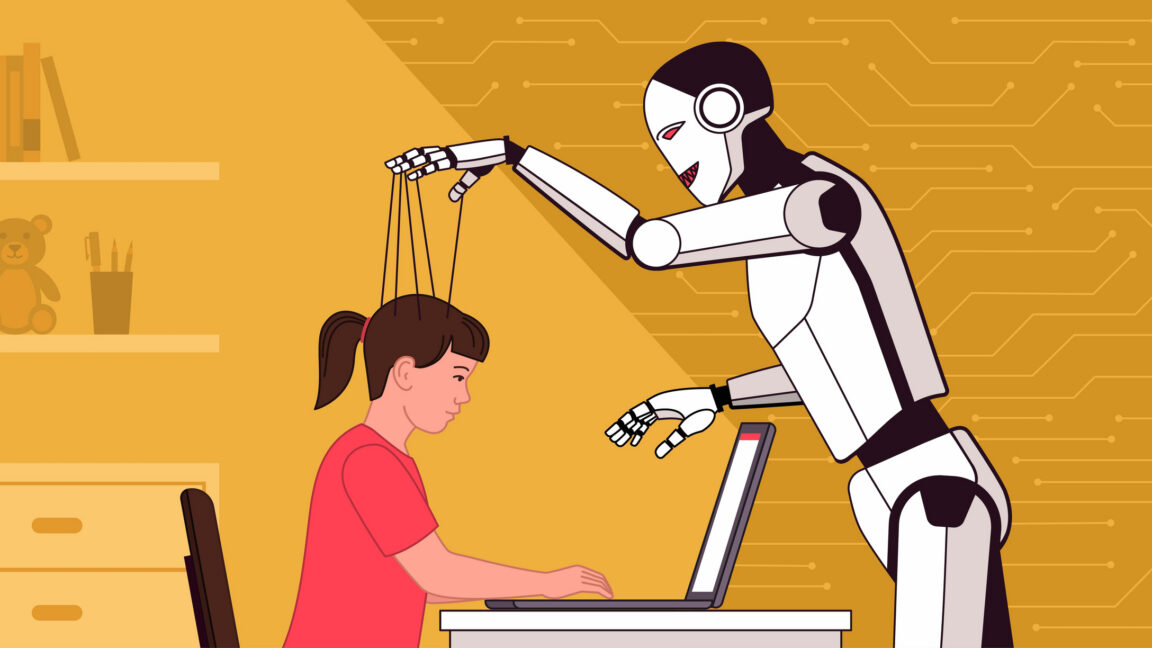
A Brown University professor suspected his students were using AI to cheat on take-home exams. To test his theory, he switched the final exam to an in-person, proctored format. The result was a dramatic 50% drop in average scores. This incident has sparked a major debate about AI cheating at elite universities.
Main Impact
The core of this story is a simple experiment. Professor Roberto Serrano, an economics professor at Brown University, noticed that scores on his take-home exams were unusually high. He believed students were using generative AI tools like ChatGPT to complete their work. To find out, he made the final exam an in-person, closed-book test. The average score fell by half. This suggests that many students had been relying on AI to pass the course, not on their own knowledge.
Key Details
What Happened
Professor Serrano taught an intermediate economics class. For most of the semester, students took exams at home. The scores were very high. Suspecting AI use, Serrano announced that the final exam would be held in person, with no internet access and no devices allowed. The results were stark. The class average dropped from around 80% to about 40%. The professor has been vocal about the incident, calling it a clear sign of widespread cheating.
Important Numbers and Facts
The 50% drop in scores is the most striking figure. It is not an isolated case. A separate survey of Princeton students found that nearly 30% admitted to using AI to cheat on at least one exam or assignment. These numbers suggest that AI cheating is not just a problem at large public schools. It is also happening at elite Ivy League institutions where students are considered top performers.
Background and Context
Generative AI tools became widely available in late 2022. Since then, schools and universities have struggled to adapt. Some teachers have banned AI entirely. Others have tried to incorporate it into lessons. The problem is that AI can write essays, solve math problems, and answer test questions in seconds. For busy, competitive students, the temptation is strong. Even at schools like Brown and Princeton, where students are highly capable, the pressure to get top grades can lead to shortcuts.
Public or Industry Reaction
The incident has caused a stir in academic circles. Many professors have shared similar stories of suspiciously high scores on take-home assignments. Some argue that the solution is to return to in-person exams for all major tests. Others say the focus should be on teaching students how to use AI ethically. Students themselves are divided. Some feel betrayed by classmates who cheated. Others argue that the education system is outdated and that AI is a tool, not a cheat. The professor, Roberto Serrano, has been clear in his view. He stated that we "cannot choose to become idiots" by letting AI do the thinking for us.
What This Means Going Forward
This event is likely to push more universities to change their testing policies. Take-home exams may become less common, especially in subjects where AI can easily provide answers. Schools may also invest in better proctoring software or switch to more oral exams and in-class assignments. For students, the message is clear: relying on AI to pass a class is risky. If a professor changes the test format, the lack of real learning will be exposed. The long-term risk is that students who cheat with AI will graduate without the skills their degrees claim they have.
Final Take
The Brown University case is a wake-up call. It shows that AI cheating is not a minor issue. It can fundamentally change how students perform and what they actually learn. The 50% score drop is hard to ignore. It proves that many students are not learning the material. They are outsourcing their thinking to a machine. For education to remain valuable, schools must find a way to test real knowledge, not just the ability to use a chatbot.
Frequently Asked Questions
How did the professor know students were cheating with AI?
Professor Serrano suspected cheating because take-home exam scores were much higher than expected. To confirm his suspicion, he switched the final exam to an in-person, proctored format. The average score dropped by 50%, which strongly suggests that students had been using AI on the earlier exams.
Is AI cheating a big problem at Ivy League schools?
Yes. A survey at Princeton found that nearly 30% of students admitted to using AI to cheat on at least one exam or assignment. The Brown University case shows that the actual number may be even higher in some classes. Even top students are using AI as a shortcut.
What can schools do to stop AI cheating?
Schools are exploring several options. These include returning to in-person exams, using oral exams, and requiring students to show their work step-by-step. Some are also using AI detection software, though these tools are not always accurate. The most effective solution may be to redesign tests so that AI cannot easily answer them.