
Summary
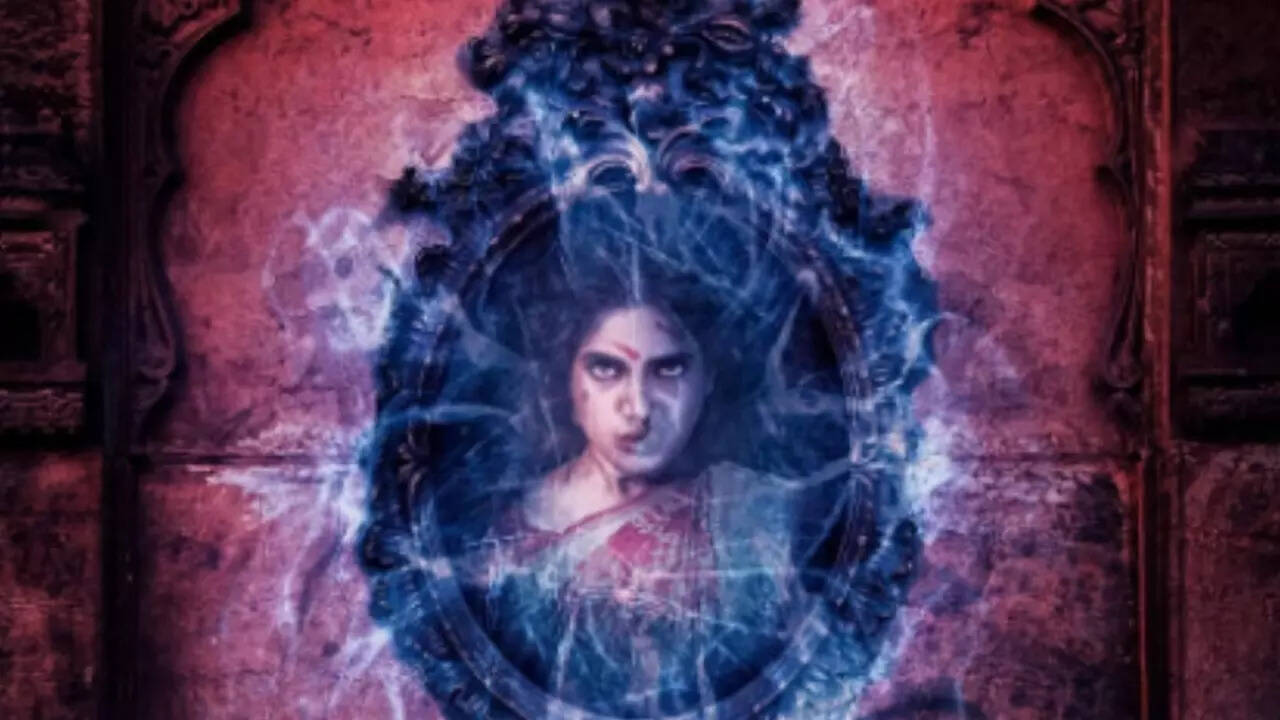
Bollywood is changing the way it tells scary stories by using horror to talk about women's rights. Instead of just trying to frighten the audience, films like Bulbbul, Stree, and Chhorii use ghosts and legends to highlight the problems women face in society. These movies show how traditional rules and unfair treatment can be more terrifying than any supernatural creature. By turning myths on their head, these stories give power back to female characters who have been mistreated.
Main Impact
The biggest change in these films is how they use the "monster" or the "ghost." In older movies, spirits were often just evil beings that needed to be stopped. In these modern supernatural dramas, the ghost is often a victim of social injustice. This shift makes the audience think about real-world issues like domestic violence, child marriage, and the preference for male children. It turns the horror genre into a tool for social change, making people look at old traditions in a new and critical way.
Key Details
What Happened
A new wave of Indian cinema is focusing on "feminist horror." These films take place in different settings, from old historical manors to small modern towns. They all share a common goal: showing how women fight back against a system that tries to control them. Whether it is a ghost seeking revenge or a woman using a legend to protect herself, these stories focus on female strength and survival.
Important Films and Their Stories
Bulbbul (2020): Set in 19th-century Bengal, this film tells the story of a child bride who grows up in a large, lonely household. When men in the village start dying mysteriously, people blame a "chudail" or witch living in the trees. The movie shows that the real horror was the violence Bulbbul faced from the men in her life. It uses a bright red moon and dark forests to create a haunting atmosphere.
Stree (2018): This movie takes place in a small town called Chanderi. It tells a legend about a female spirit who kidnaps men at night during a festival. The film is unique because it makes men feel the fear that women often feel in real life. It uses humor to show how unfair it is to tell one group of people they cannot go out at night or stay safe alone.
Chhorii (2021): This story follows a pregnant woman who has to hide in a remote village surrounded by tall sugarcane fields. She soon realizes the village is haunted by the spirits of young girls. The film deals with the dark reality of female infanticide and the pressure on women to give birth to sons. The "monsters" in this film are actually reminders of a cruel social practice.
Pari (2018): This is a darker, grittier film about a woman found chained in a hut. It explores themes of isolation and how society treats people who are different. It moves away from typical ghost stories to show a more psychological and bloody version of the supernatural, focusing on how women are often hunted or controlled by cults and strict social groups.
Durgamati (2020): In this movie, a female officer is trapped in a haunted mansion during a corruption investigation. She appears to be possessed by the spirit of a former queen named Durgamati. The film shows how a woman can use the fear of the supernatural to gain power over men who think they are untouchable because of their political status.
Background and Context
For a long time, Indian horror movies relied on simple scares and predictable plots. However, in recent years, filmmakers have realized that horror is a great way to talk about things that are hard to discuss in plain speech. By using a ghost story, they can show the pain of a victim without making the movie feel like a lecture. This style of storytelling is often called "social horror." It helps viewers understand the trauma that comes from being treated unfairly for generations.
Public or Industry Reaction
Audiences have responded very well to these films. Many viewers appreciate that these movies have a deeper meaning beyond just being scary. Critics have praised the acting and the visual style, noting that these films look much better than older horror movies. In the film industry, this success has encouraged more directors to move away from "masala" films and toward stories that have a strong message. These movies have also done well on streaming platforms, reaching a global audience that is interested in modern Indian stories.
What This Means Going Forward
The success of these films suggests that the future of Bollywood horror will be more thoughtful. We can expect to see more stories that use local folklore and myths to address modern problems. This trend also provides better roles for actresses, allowing them to play complex characters who are more than just victims. As long as there are social issues to talk about, filmmakers will likely use the supernatural as a way to shine a light on them.
Final Take
These supernatural dramas prove that horror can be about more than just monsters under the bed. By focusing on the real-life struggles of women, these films make the supernatural feel grounded and important. They remind us that the scariest things are often not the ghosts in the dark, but the ways people treat each other in the light of day. These stories are a powerful way to challenge old ideas and celebrate female strength.
Frequently Asked Questions
What is feminist horror in Bollywood?
It is a style of filmmaking that uses supernatural elements and scary stories to highlight the unfair treatment of women and the need for gender equality.
Which movie deals with female infanticide?
The movie "Chhorii" focuses on this issue, using a haunted village and sugarcane fields to tell a story about the pressure to have male children.
Is the movie Stree a comedy or a horror film?
Stree is a mix of both. It is called a "horror-comedy" because it uses funny moments to talk about the serious topic of how men and women experience fear differently in society.



