Summary
Corporate boards often pride themselves on reaching a consensus, but total agreement can actually be a sign of danger. In many cases, unanimous decisions hide deep doubts that directors are too afraid to share in front of the group. By looking at avalanche safety training, business leaders can learn why one dissenting voice is often the most important person in the room. Encouraging people to say "no" can prevent major business failures and lead to stronger, more honest decisions.
Main Impact
The biggest impact of forced agreement is the silence of experts who see a problem but do not want to stop the group's momentum. When a board of directors makes a major choice, such as buying another company or changing leadership, they almost always record the vote as unanimous. Research shows that people only disagree openly in about 1% of board decisions. This lack of debate means that risks are often ignored until it is too late to fix them.
Key Details
What Happened
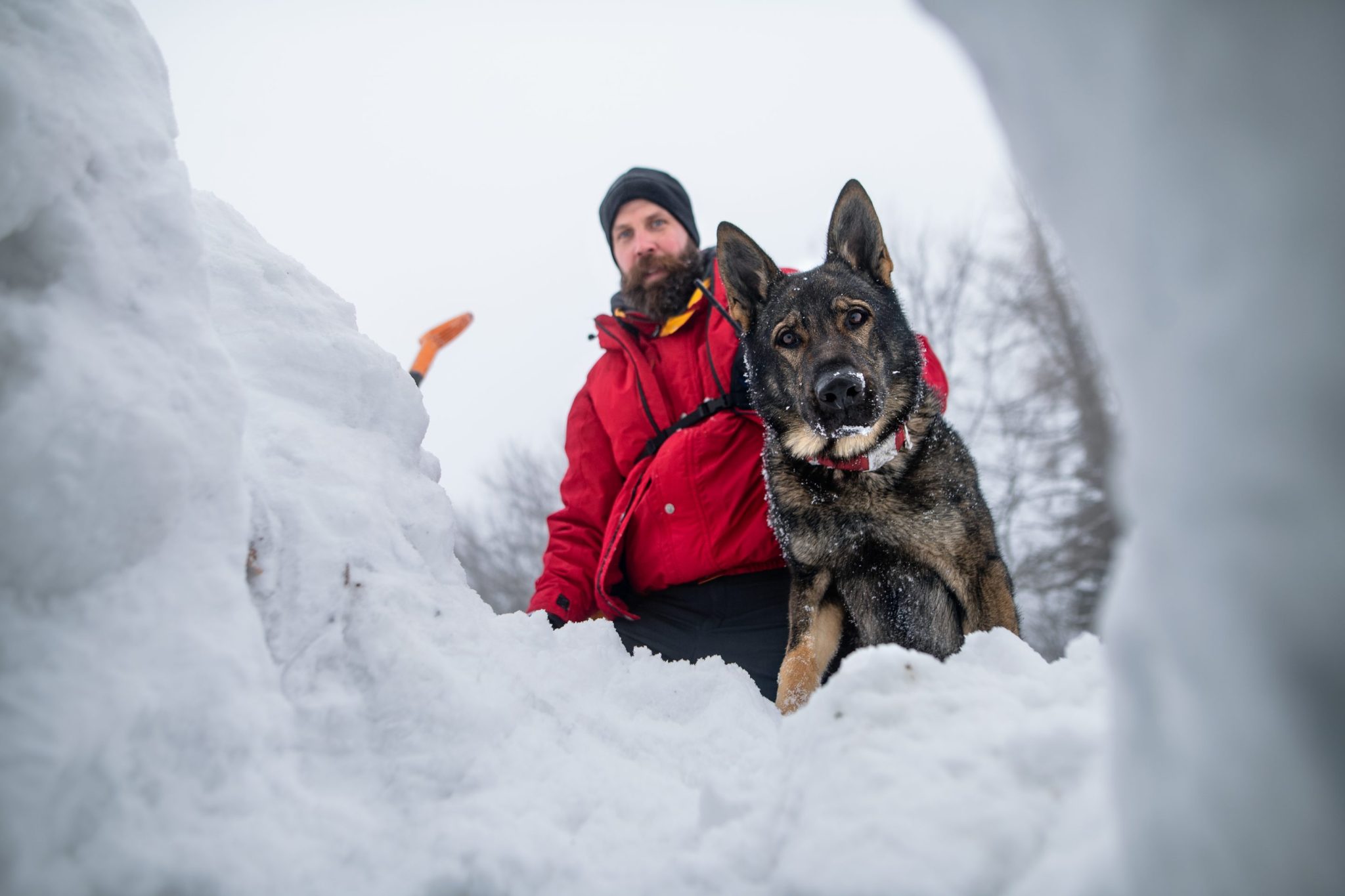
In the world of mountain safety, specifically when dealing with avalanches, there is a strict rule: if one person in the group feels unsafe, the whole group must turn back. It does not matter if everyone else wants to keep going. This rule exists because human psychology often makes people follow the crowd even when they sense a threat. In a business setting, the opposite usually happens. If the majority of the board seems to agree, the person with doubts will often stay quiet to avoid looking like they are being difficult.
Important Numbers and Facts
Data suggests that while boards spend a lot of time on who is in the room, they spend very little time on how they actually talk to each other. Even though boards are filled with highly successful and independent people, the pressure to fit in is very strong. Most board minutes show 100% agreement, yet many directors admit in private after a meeting that they had serious concerns. This "hallway talk" happens because the formal meeting structure does not make it easy to speak up.
Background and Context
For many years, companies have focused on making boards more diverse and independent. They hire experts in finance, technology, and law to ensure they have the right knowledge. However, having the right people does not matter if the group dynamic stops them from sharing what they know. This problem is called "groupthink." It happens when a group of people wants harmony so much that they stop questioning bad ideas. Because board members only meet a few times a year and usually have friendly relationships, they are even more likely to fall into this trap.
Public or Industry Reaction
Famous investors like Warren Buffett have often said that a good board should challenge the CEO rather than just agreeing with everything. Industry experts are now suggesting that boards need to change how they run their meetings. Instead of just asking if everyone is "comfortable" with a plan, chairs should actively look for reasons to say no. Some companies are starting to use "red teams," which are groups of people specifically assigned to find every possible flaw in a new plan. This makes it a job to disagree, which takes away the social fear of being the only person to speak up.
What This Means Going Forward
To fix this, boards may need to change their meeting structure. One idea is "parallel deliberation." Instead of one big conversation where a few loud voices dominate, the board could break into small groups of two or three people. These small groups would answer specific questions: What could make this plan fail? What assumptions are we making that might be wrong? When these small groups come back together, they often bring up different concerns that would have stayed hidden in a large group. This process ensures that the final decision is based on a real test of the idea, not just a desire to get the meeting over with.
Final Take
True agreement is not the same as everyone staying quiet. A board that never disagrees is not a strong board; it is a board that is likely missing a major risk. By adopting the "one no" rule from avalanche safety, companies can protect themselves from making huge mistakes. The goal is not to fight, but to make sure that when a board finally says "yes," they have looked at every reason why they should have said "no."
Frequently Asked Questions
Why is unanimous agreement a bad sign for a board?
It often means that people are following the group instead of thinking for themselves. If 100% of decisions are unanimous, it is likely that some people are hiding their true concerns to avoid conflict.
What can boards learn from avalanche safety?
Avalanche safety teaches that the group is often more dangerous than the environment. Boards can learn that if even one person has a bad feeling about a plan, the whole group should stop and listen to those concerns before moving forward.
How can a board encourage more honest debate?
Boards can use small group discussions or assign a "red team" to find flaws in a proposal. This makes it safer for individuals to share doubts without feeling like they are attacking the rest of the group.