
Summary
The Brihanmumbai Municipal Corporation (BMC), known as the wealthiest civic body in India, is making a historic move by entering the capital markets. For the first time, the organization plans to raise money through municipal bonds to fund its massive infrastructure projects. This decision marks a major shift in how the city manages its finances, moving away from relying solely on its own savings. By seeking outside investment, the BMC aims to complete large-scale public works while keeping its internal reserves stable for future needs.
Main Impact
This move will change the way Mumbai pays for its growth. By issuing bonds, the BMC is opening its books to investors and credit rating agencies, which brings a new level of financial discipline. The primary impact is that the city can now spread the cost of multi-year projects over a longer period. This prevents a sudden drain on the city’s cash reserves, ensuring that daily services like water supply, waste management, and health care do not suffer due to high construction costs.
Key Details
What Happened
The BMC has decided to issue municipal bonds to raise thousands of crores for its ongoing and upcoming projects. Traditionally, the BMC has been self-reliant, using its huge fixed deposits and tax collections to pay for everything. However, the scale of new projects has grown so large that the civic body needs a more sustainable way to manage its cash flow. The process involves getting a credit rating and then asking institutional investors, such as insurance companies and banks, to lend money to the city in exchange for regular interest payments.
Important Numbers and Facts
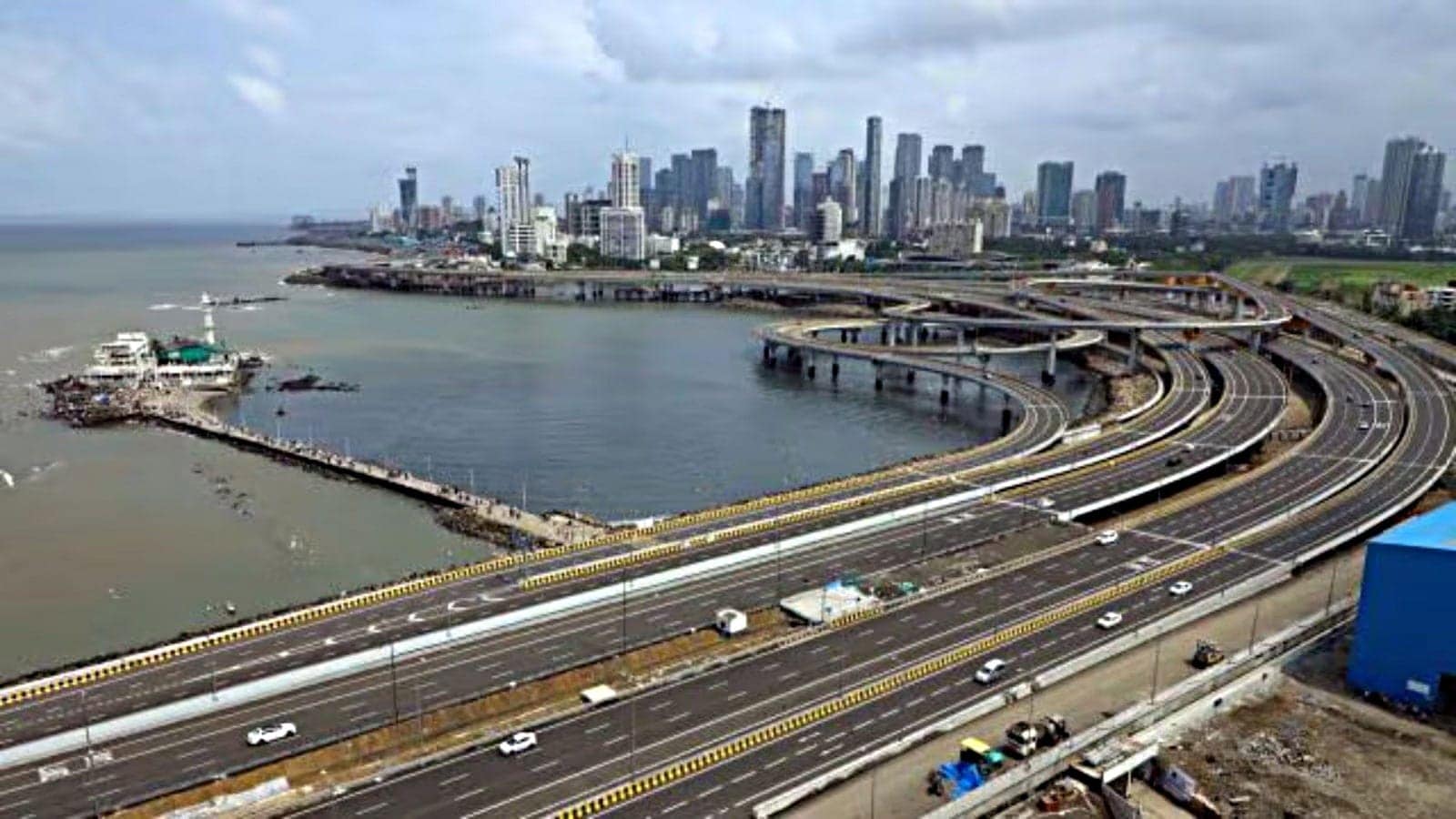
The BMC’s annual budget is often larger than that of several small Indian states, frequently crossing the ₹50,000 crore mark. In recent years, the cost of major projects has reached staggering levels. For example, the Mumbai Coastal Road project, the Goregaon-Mulund Link Road, and the construction of several sewage treatment plants require a total investment of over ₹90,000 crore. While the BMC has tens of thousands of crores in fixed deposits, these reserves have started to shrink as more money is pulled out to pay for these massive builds.
Background and Context
To understand why this is happening, one must look at how the BMC earns and spends money. For years, the city relied heavily on "Octroi," a tax on goods entering the city. When this was replaced by the Goods and Services Tax (GST), the BMC began receiving compensation from the central and state governments. While this provided a steady income, the rising demand for modern infrastructure meant that spending began to outpace earnings. The city is currently building undersea tunnels, massive bridges, and advanced water systems all at once. Relying only on savings is no longer the safest financial strategy for a city that needs to be prepared for emergencies like floods or health crises.
Public or Industry Reaction
Financial experts have generally welcomed the move. They believe that entering the bond market will force the BMC to be more transparent and efficient. When a city borrows money from the market, it must provide regular updates on its financial health and project progress. This accountability is seen as a positive step for taxpayers. However, some critics have expressed concern about the city taking on debt for the first time in decades. They worry that if projects are delayed, the interest costs could become a burden on future generations of Mumbai residents.
What This Means Going Forward
This decision sets a new standard for other large cities in India. If the BMC successfully raises money at low interest rates, other municipal corporations may follow suit. For Mumbai, the next few years will be a test of project management. The city must ensure that the projects funded by these bonds are completed on time to avoid rising costs. Investors will be watching closely to see if the BMC can maintain its high credit rating while managing such a large amount of debt. If successful, this could lead to a permanent change in how urban India builds its future.
Final Take
The BMC’s move into the capital markets is a sign of a maturing economy. Even the wealthiest organizations must eventually look for modern ways to fund growth. By balancing its internal wealth with market borrowing, the BMC is trying to ensure that Mumbai remains a global city without going broke. It is a calculated risk that emphasizes long-term planning over short-term spending. The success of this plan will depend on how well the city manages its new responsibilities to its investors and its citizens.
Frequently Asked Questions
What is a municipal bond?
A municipal bond is a way for a city government to borrow money from investors. The city promises to pay back the borrowed amount with interest over a set period, usually to fund public projects like roads or schools.
Why is the BMC borrowing money if it is already rich?
While the BMC has large savings, the cost of new infrastructure projects is even larger. Borrowing allows the city to keep its savings for emergencies while paying for big projects gradually over many years.
Will this move increase taxes for Mumbai residents?
There is no direct link between issuing bonds and increasing taxes immediately. However, the city will use its future tax revenue to pay back the bondholders. If projects are managed well, it should not lead to an unfair tax burden.



