
Summary
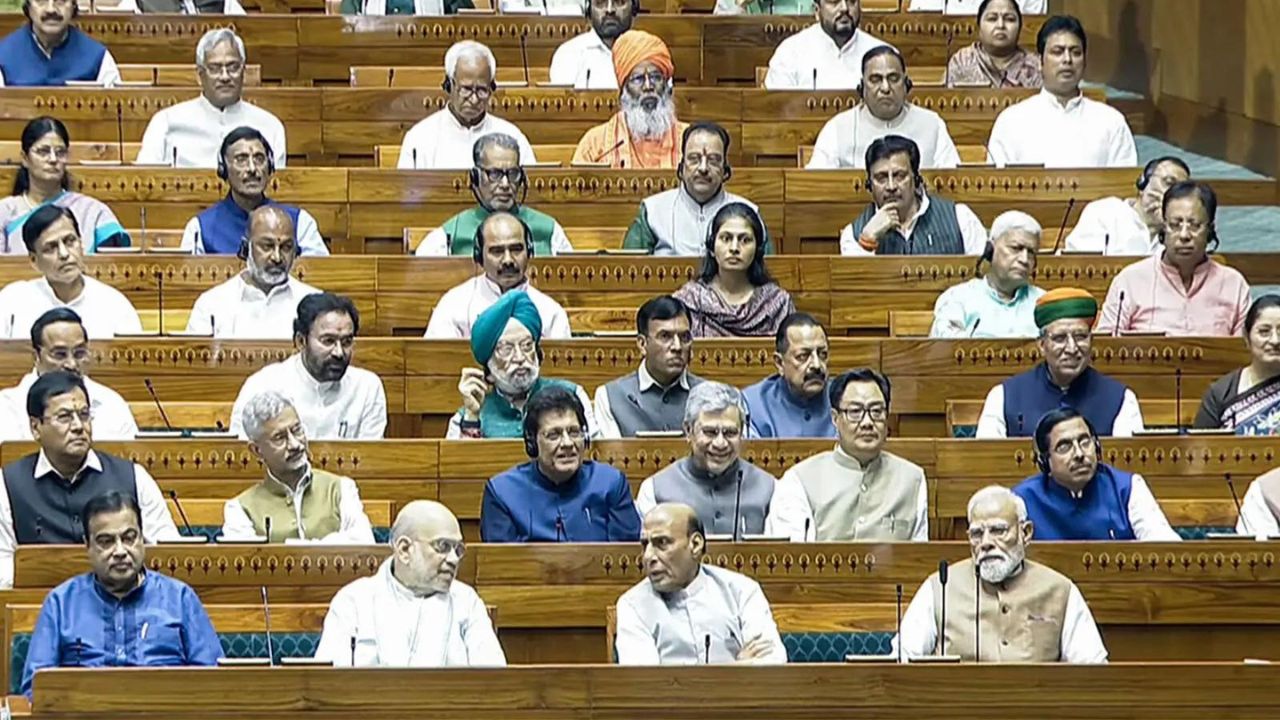
The Bharatiya Janata Party (BJP) has called for a special three-day session of Parliament starting on April 16, 2026. To ensure every member is present, the party issued a strict "three-line whip" to all its Members of Parliament (MPs) and Union ministers. This order makes it mandatory for them to attend the sessions from April 16 to April 18. The main goal of this sudden meeting is to discuss and move forward with the Women's Reservation Amendment Bill. The government plans to use data from the 2011 census to set the timelines for when these changes will take effect.
Main Impact
This move signals a major push by the government to finalize the rules for women's representation in Indian politics. By issuing a three-line whip, the BJP is making sure it has maximum strength in the house to pass important decisions without any delays. The biggest impact will be on how quickly women can start filling the reserved seats in the Lok Sabha and state assemblies. Using the 2011 census data is a key part of this plan, as it provides a set of numbers to work with while the country waits for a newer census to be completed.
Key Details
What Happened
The government announced a special session that will last for three days. Usually, Parliament meets during set times of the year, like the Budget or Monsoon sessions. Calling a special session often means there is urgent business to finish. The BJP leadership sent out a clear message to all its lawmakers that they must be in their seats for the entire duration. This is not just a request; it is a formal order that carries heavy penalties if ignored.
Important Numbers and Facts
The session is scheduled for April 16, 17, and 18. The core of the discussion is the Women's Reservation Amendment Bill, which seeks to reserve 33 percent of seats for women in the lower house of Parliament and state legislatures. A major point of interest is the use of the 2011 census. Since the 2021 census was delayed due to the global health crisis, the government is looking at older data to help create a roadmap for implementation. This could mean that the reservation of seats might happen sooner than many people expected.
Background and Context
The idea of reserving seats for women in India has been a topic of debate for many decades. While many political parties agree with the idea in principle, the details of how to do it have caused many delays. The bill was officially passed in a previous session, but it came with a condition. It stated that the reservation would only start after a new census was conducted and the boundaries of voting districts were redrawn. This process is known as delimitation.
Because the new census has not happened yet, there were concerns that women would have to wait many more years before seeing the benefits of the law. By proposing to use the 2011 census data, the government is trying to find a way to start the process earlier. This shows that the administration wants to show progress on this promise before the next major elections.
Public or Industry Reaction
Political experts and opposition parties are watching this development closely. While most parties support the idea of more women in politics, some may question the use of 2011 data. Critics often argue that using data that is 15 years old might not accurately reflect the current population of the country. On the other hand, supporters of the move say that waiting for a new census could take too long, and it is better to start now with the information that is already available. Within the BJP, the mood is one of high discipline, as the three-line whip leaves no room for absence or disagreement during the vote.
What This Means Going Forward
If the government successfully passes the implementation plan during this special session, it will change the way elections are held in India. Political parties will need to find and train more female candidates to fill the 33 percent of seats that will be reserved. This will likely lead to a more diverse Parliament with more voices representing the concerns of women. The next steps will involve the Election Commission and other bodies working out which specific seats will be reserved for women in the upcoming election cycles.
Final Take
The decision to call a special session and force full attendance shows that the government is serious about making the Women's Reservation Bill a reality. By using the 2011 census, they are choosing to act now rather than wait for future data. This three-day window in April will be a turning point for Indian democracy, as it sets the stage for a more balanced representation of men and women in the halls of power. The outcome of these meetings will determine how soon the face of Indian leadership begins to change.
Frequently Asked Questions
What is a three-line whip?
A three-line whip is a strict instruction issued by a political party to its members. it means they must attend a session and vote according to the party's orders. If an MP breaks this rule, they can be removed from the party or lose their position in Parliament.
Why is the 2011 census being used?
The 2011 census is the most recent complete set of population data available in India. The 2021 census was delayed, so the government is using the older data to speed up the process of setting timelines for women's seat reservations.
What does the Women's Reservation Bill do?
The bill aims to reserve one-third, or 33 percent, of the seats in the Lok Sabha and state legislative assemblies for women. This is intended to increase the number of women involved in making laws for the country.



