
Summary
The Bharatiya Janata Party (BJP) faced a significant setback in the recent Kerala Assembly elections. While the party hoped to gain support from the Christian community in central Kerala, controversial remarks by candidate P.C. George and concerns over new funding laws created a major divide. These events have likely damaged the party's chances of winning seats in areas where they previously saw growth. The situation shows how quickly political progress can be lost when messaging turns aggressive.
Main Impact
The primary impact of this development is a breakdown in trust between the BJP and Kerala’s Christian voters. For years, the BJP has tried to build a bridge to this community to expand its small voter base in the state. However, the combination of harsh rhetoric and a new law regarding foreign funding has pushed many voters back toward traditional parties. This shift could prevent the BJP from winning the key constituencies it needs to become a major power in the Kerala Assembly.
Key Details
What Happened
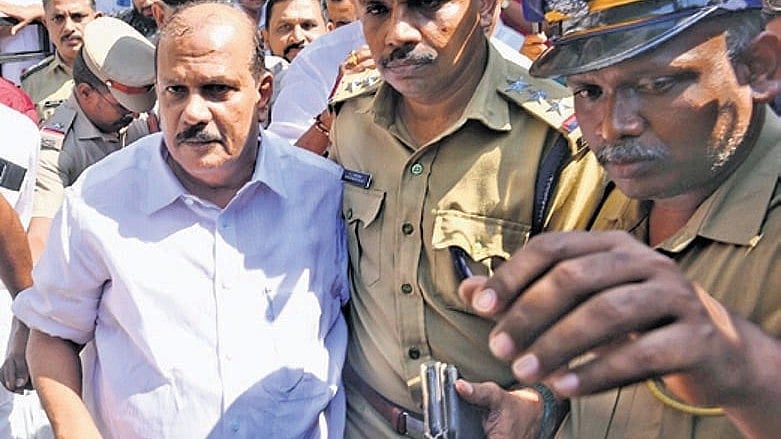
During the final stages of the election campaign, P.C. George, a high-profile BJP candidate in Poonjar, made several inflammatory statements. He claimed that Christians represent only two percent of the population and should not try to negotiate with the Hindu majority. He also accused church leaders of mishandling foreign money and called for the government to watch their financial dealings more closely. These comments were seen as an attack on the very people the BJP was trying to attract.
Important Numbers and Facts
The population of Kerala is divided among three main groups: Hindus make up about 54 to 55 percent, Muslims around 26 to 27 percent, and Christians about 18 to 19 percent. Because no single group can decide an election alone, the Christian vote is often the deciding factor in central Kerala districts like Kottayam and Idukki. The BJP has historically struggled in the state, with its vote share usually sitting between 10 and 12 percent. To win seats, the party needs to move beyond its core supporters and gain at least some minority backing.
Background and Context
The tension is not just about words; it is also about a specific law called the Foreign Contribution Regulation Act (FCRA). A new amendment in 2026 has caused widespread fear among non-profit groups and religious institutions. This law allows the central government to take over buildings and assets if an organization’s license to receive foreign money is canceled, expires, or is even delayed by paperwork. In Kerala, the Christian community runs a massive network of hospitals, schools, and social programs that rely on this funding. Many people fear that the government could use this law to seize church property if there is a minor technical error or a legal dispute.
Public or Industry Reaction
The response from church leaders was immediate and firm. Many bishops and priests expressed deep concern that the BJP candidate’s words matched the aggressive nature of the new funding laws. They argued that these statements create a sense of fear and distrust. Even farmers who were considering voting for the BJP because of economic issues, such as low rubber prices, have started to reconsider. They feel that if their community institutions are under threat, economic promises matter less. Within the BJP, some local leaders admit that the aggressive tone used during the campaign has ruined months of hard work spent building relationships with local residents.
What This Means Going Forward
The BJP now faces a choice in how it handles Kerala. In the past, some candidates like Suresh Gopi found success by using a more moderate and personal approach. However, the recent campaign showed a return to a more aggressive style that has historically failed in the state. Moving forward, the party will have to decide if it can balance its national identity with the specific social needs of Kerala. If the fear surrounding the FCRA law continues to grow, it will be very difficult for the party to win over any minority groups in future elections. The next few months will show if the party tries to fix these relationships or continues with its current path.
Final Take
Political success in a diverse state like Kerala requires a delicate balance of respect and cooperation. By allowing aggressive rhetoric to overshadow its outreach efforts, the BJP has likely pushed away the very voters it needed to succeed. You cannot win the support of a community while simultaneously questioning their importance and threatening the institutions they rely on for health and education. This election serves as a reminder that in politics, words have consequences that can last long after the voting is over.
Frequently Asked Questions
Why is the Christian vote important in Kerala?
Christians make up nearly 20 percent of the state's population and are concentrated in specific districts. Because the two main political groups in Kerala are often close in strength, the Christian community acts as a swing vote that can decide who wins the election.
What is the FCRA law and why are people worried?
The FCRA is a law that controls how organizations in India receive money from other countries. A new 2026 rule says the government can take over an organization's property if their license is delayed or canceled. This worries groups that run schools and hospitals.
Who is P.C. George?
P.C. George is a veteran politician in Kerala who recently joined the BJP. He is known for making bold and often controversial statements. His recent comments about the Christian community caused a major backlash during the Assembly elections.

