
Summary
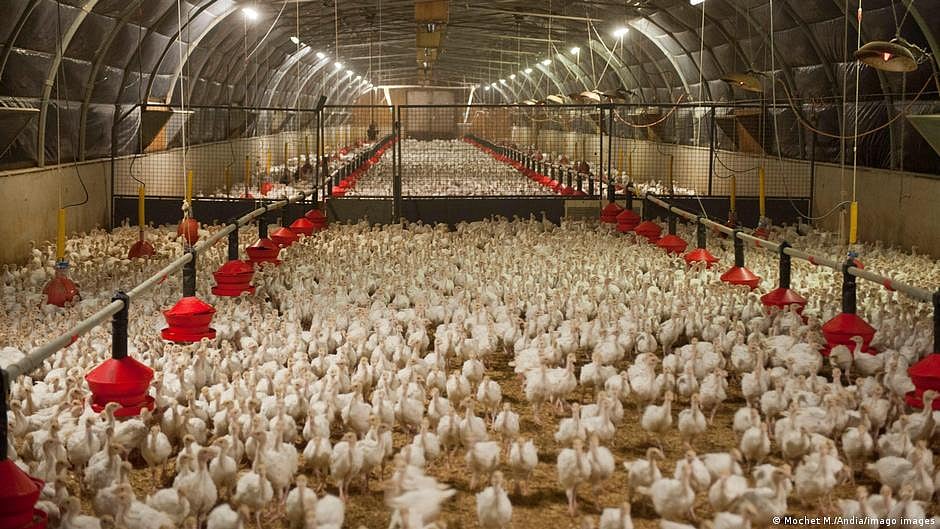
A major outbreak of bird flu has led to the death of more than 4,400 chickens at a government poultry farm in Chhattisgarh. The incident took place in the Koni area of the Bilaspur district over a period of five days. Local officials have confirmed the presence of the virus through laboratory testing and have started emergency measures to stop the disease from spreading. This situation has put the local poultry industry on high alert as authorities work to protect both animals and people.
Main Impact
The immediate impact of this outbreak is the loss of nearly the entire bird population at the state-run facility. Out of 5,037 chickens kept at the farm, over 4,400 died in a very short time. This high death rate shows how quickly the virus can move through a crowded environment. Beyond the loss of the birds, the outbreak has forced the government to set up strict zones where movement is restricted. This affects local trade, as poultry products cannot be moved in or out of the designated areas. It also creates a health risk for workers who were in close contact with the infected birds.
Key Details
What Happened
The deaths began on March 19 and continued until March 24. When the birds started dying in large numbers, the Veterinary Department took samples to find the cause. These samples were sent to specialized laboratories in Bhopal and Pune. The laboratory in Bhopal confirmed that the birds were infected with avian influenza, commonly known as bird flu. Once the results were clear, the district administration moved quickly to start containment protocols to prevent the virus from reaching other farms or the general public.
Important Numbers and Facts
The scale of the outbreak is significant for the local area. Officials reported that 4,400 chickens died out of a total of 5,037. To manage the crisis, the District Collector has marked a one-kilometre area around the farm as an "infected zone." Within this circle, all remaining birds, eggs, and bird feed must be destroyed. Additionally, a larger 10-kilometre area has been named a "surveillance zone." In this wider area, officials will closely monitor all poultry for any signs of sickness. These steps follow the national guidelines updated in 2021 for handling bird flu outbreaks.
Background and Context
Bird flu is a disease caused by a virus that mostly affects birds, including chickens, ducks, and wild birds. While it is common among birds, it is a serious concern because some types of the virus can spread to humans or other animals. When an outbreak happens at a government farm, it is especially concerning because these facilities often provide birds and eggs to many other places. Chhattisgarh has dealt with similar issues in the past, and the government has a set plan to handle these events. The goal is always to stop the virus at its source before it can spread to private farms or local markets.
Public or Industry Reaction
The local administration has asked the public not to panic. District Collector Sanjay Agrawal has assured residents that all necessary steps are being taken. To help farmers who might lose money because of these rules, the Animal Husbandry Department has promised to provide compensation. This money helps cover the cost of the birds that must be killed to stop the virus. Rapid Response Teams are already on the ground to handle the difficult work of cleaning the farm and disposing of the dead birds safely. Local police and health departments are also working together to make sure the movement bans are followed.
What This Means Going Forward
In the coming days, the focus will be on "culling," which means killing the remaining birds in the infected zone to make sure the virus has nowhere else to go. After the culling is finished, the farm will be thoroughly cleaned and sealed. No new birds will be allowed there for a specific amount of time. Health officials are also checking the people who worked at the farm. They are looking for symptoms like fever or cough. If anyone looks sick, they will be tested and given medicine right away. Monitoring of local markets will continue to ensure that no infected meat is being sold to the public.
Final Take
The bird flu outbreak in Bilaspur is a serious reminder of how fragile animal health can be. While the loss of thousands of chickens is a blow to the local government farm, the fast action taken by authorities is meant to prevent a much larger disaster. By following strict rules and keeping the public informed, the state hopes to clear the virus quickly and keep the food supply safe. For now, the situation is under close watch, and the priority remains containment and safety.
Frequently Asked Questions
Is it safe for humans to be near the affected area?
Authorities have set up a one-kilometre restricted zone to keep people away from the source of the virus. While bird flu rarely spreads to humans, it is best to stay away from the infected farm and follow all local health advice.
What happens to the poultry in the surveillance zone?
In the 10-kilometre surveillance zone, birds are not killed immediately. Instead, they are closely watched by experts. If any birds show signs of sickness, further testing and containment steps will be taken in those specific spots.
Can I still eat chicken and eggs?
Health experts generally say that poultry products are safe to eat if they are cooked properly at high temperatures. However, it is important to buy meat from trusted sources and avoid any products that come from the restricted zones in Bilaspur.

