Summary
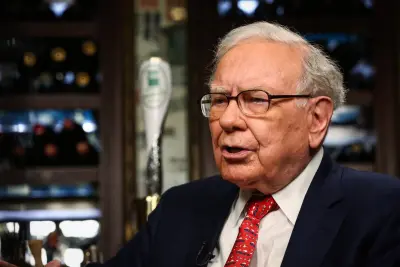
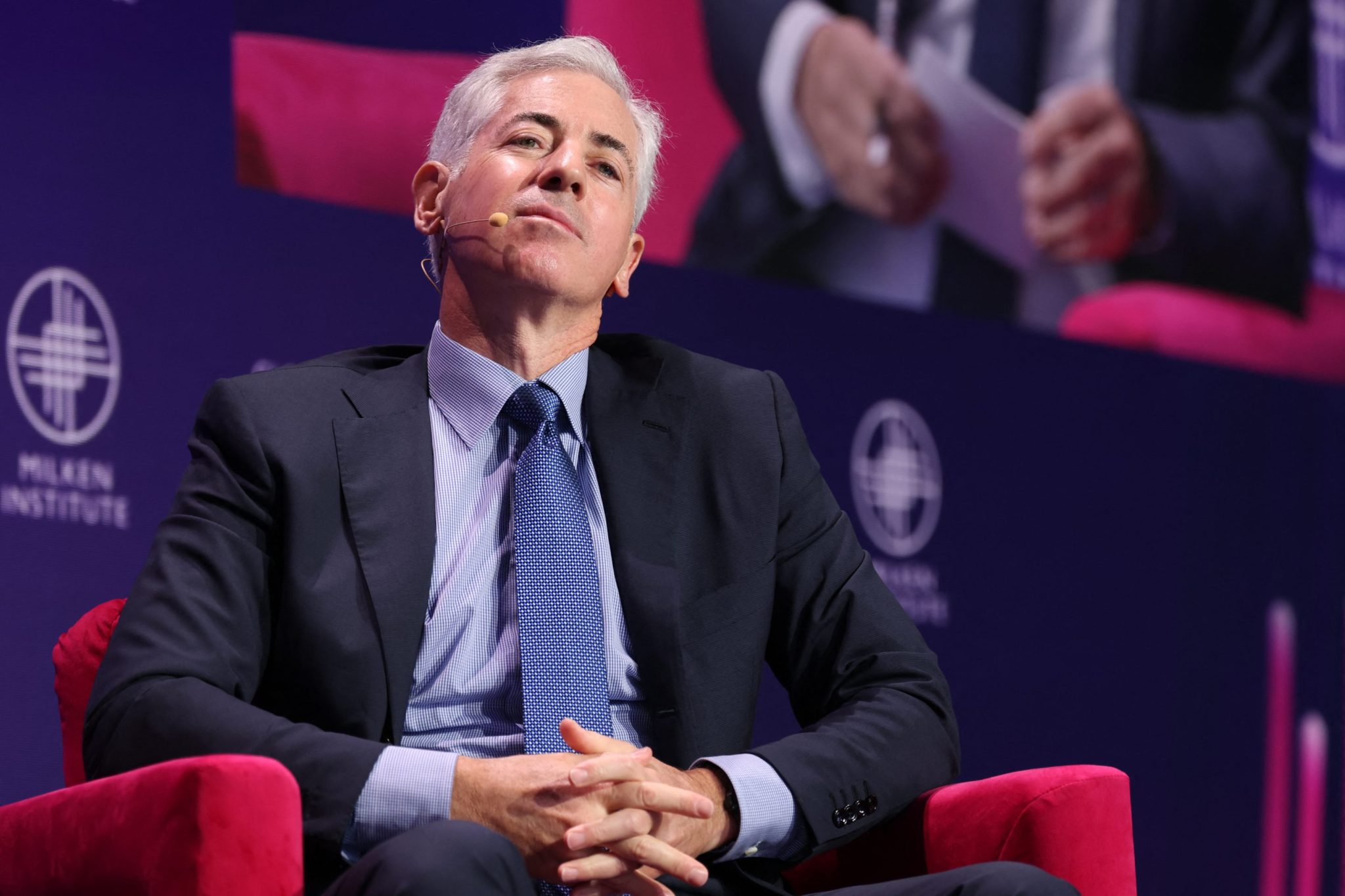
Bill Ackman, the billionaire leader of Pershing Square Capital Management, is moving forward with a plan to take his firm public. By filing for an initial public offering (IPO) on the New York Stock Exchange, Ackman hopes to transform his $28 billion investment empire. His ultimate goal is to create a "modern-day" version of Berkshire Hathaway, the famous company run by Warren Buffett. This move is designed to give Ackman access to permanent money that he can use to make long-term investments without the risk of investors suddenly pulling their cash out.
Main Impact
The most significant part of this move is the shift toward a "permanent capital" model. In a typical hedge fund, investors can ask for their money back every few months or once a year. This often forces fund managers to sell stocks at the wrong time just to pay back their clients. By going public, Ackman ensures that the money stays within the company. If an investor wants to leave, they simply sell their shares to someone else on the stock market. This stability allows Ackman to think years or even decades ahead, much like Warren Buffett has done for over half a century.
Key Details
What Happened
Pershing Square Capital Management officially filed paperwork on Tuesday to list its shares on the New York Stock Exchange. This is Ackman’s second attempt at a major public listing. In 2024, he tried to raise $25 billion for a similar project, but that plan did not succeed. This time, he has adjusted his strategy and lowered his expectations to make the deal more attractive to a wider range of investors.
Important Numbers and Facts
Ackman is now looking to raise between $5 billion and $10 billion. To encourage people to buy in, he is offering a special deal: for every 100 shares an investor buys in the new fund, they will receive 20 shares of the parent company for free. The minimum investment is set at $5,000, which is much lower than the millions usually required to join a top-tier hedge fund. The company will use the stock symbols "PSUS" for the fund and "PS" for the parent company.
Background and Context
Bill Ackman has long considered Warren Buffett his "unofficial mentor." He began his career by studying Buffett’s famous letters to shareholders and has spent years trying to copy the strategies that made Buffett one of the richest people in the world. Ackman’s career has had many highs and lows. He started his first fund right after finishing business school at Harvard, but that firm eventually closed. He then started Pershing Square with $54 million and grew it into the multi-billion dollar firm it is today. He believes that the only way to reach the next level of success is to stop acting like a traditional hedge fund manager and start acting like a corporate owner.
Public or Industry Reaction
The reaction to Ackman’s plans has been mixed. While he has a massive following of two million people on social media, some professional investors are cautious because of his previous failed IPO attempt. Additionally, Ackman is currently facing a lawsuit from shareholders of Howard Hughes Holdings. Those investors claim that a recent deal Ackman made to take control of that company was not fair to other stockholders. Despite these challenges, Ackman remains confident that his "Buffett-style" approach will win over the market.
What This Means Going Forward
If the IPO is successful, Pershing Square will have a major advantage over its competitors. Most investment firms are forced to focus on short-term profits to keep their clients happy. Ackman will instead have a "forever" pool of money. This could allow him to buy entire companies or take massive stakes in famous brands without worrying about temporary drops in the stock market. It marks a turning point where Pershing Square stops being just a fund and starts becoming a permanent American corporation.
Final Take
Bill Ackman is betting his entire reputation on the idea that he can replicate the Berkshire Hathaway model for a new generation. By opening his firm to regular investors with a $5,000 minimum, he is moving away from the exclusive world of private hedge funds. This move is a bold attempt to secure his legacy as a long-term builder rather than just a short-term trader. Whether he can actually match the success of Warren Buffett will depend on how he uses this new, permanent capital in the years to come.
Frequently Asked Questions
What is permanent capital?
Permanent capital is money invested in a company that the company does not have to pay back to investors on demand. Instead, investors who want their money back must sell their shares to other buyers on a stock exchange.
Why does Bill Ackman want to be like Warren Buffett?
Ackman admires Buffett’s ability to hold investments for decades. He believes that having "permanent" money allows an investor to make better decisions and grow wealth more effectively than traditional hedge funds that face constant pressure from clients.
Can regular people invest in Pershing Square now?
Yes, once the IPO is complete, anyone with a brokerage account can buy shares. The minimum order size for the initial offering is $5,000, making it accessible to many individual investors.