
Summary
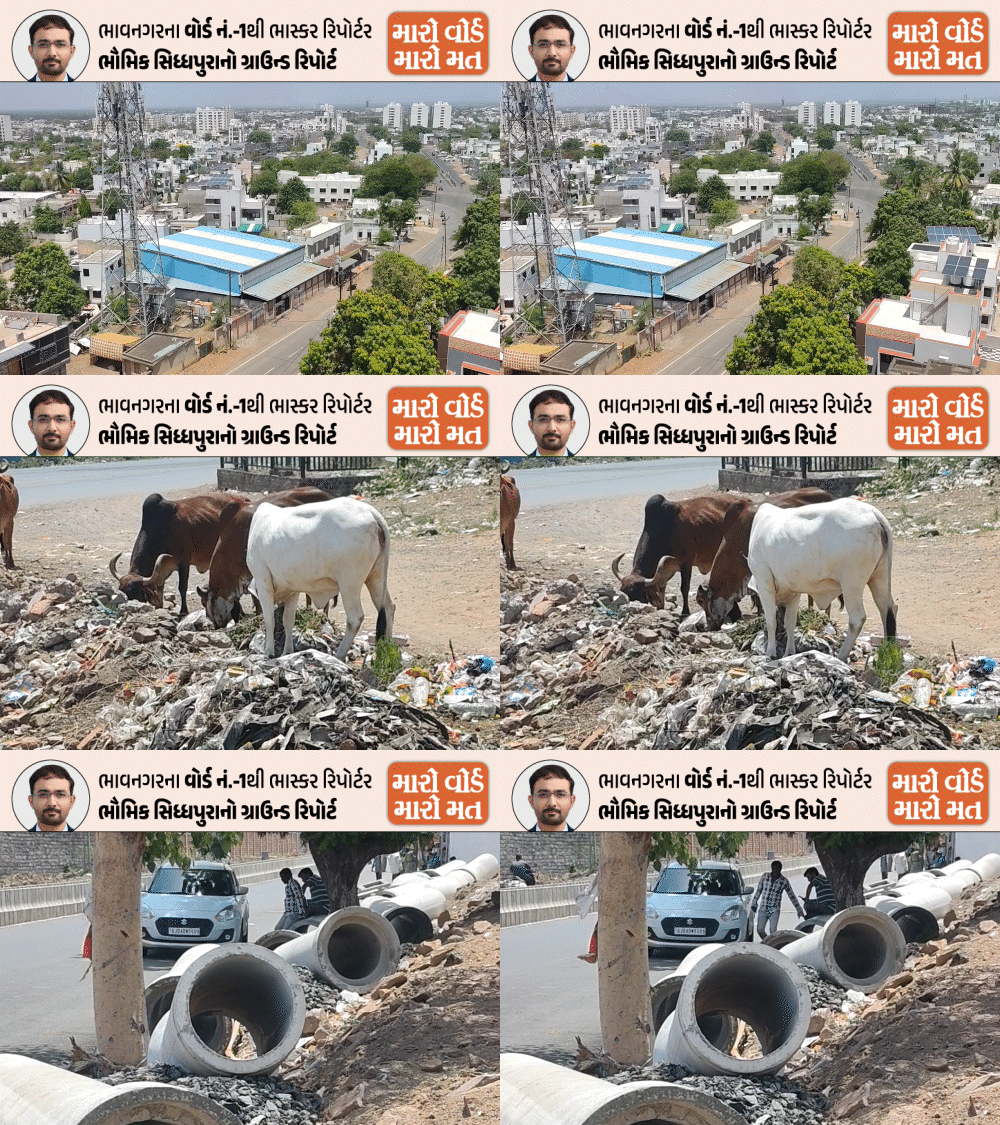
Residents in Ward 1 of Bhavnagar, which includes Chitra, Phulsar, and Nari, are expressing deep anger over the lack of basic services. As local elections approach, people living in these areas say they are tired of poor water quality, broken drainage systems, and irregular garbage collection. Many families are also struggling after their homes were demolished, leaving them without a clear place to live. The local community has sent a clear message to political parties: they will only vote for those who actually solve their daily problems.
Main Impact
The main impact of this situation is a growing lack of trust between the public and their elected leaders. Residents feel that politicians only visit their neighborhoods when they need votes. This frustration has led to a "no work, no vote" attitude among many families. The lack of proper roads and drainage is not just an inconvenience; it is a safety risk. In some parts of the ward, the streets are so narrow or in such poor condition that even an ambulance cannot reach patients during an emergency. This has left the community feeling neglected and abandoned by the system.
Key Details
What Happened
During a recent ground report, several residents shared their daily struggles. A local woman named Asmita-ben explained that while they get water, it often smells like sewage. This dirty water is making children in the area sick. Another resident, Kanchan-ben, pointed out that her area lacks a proper drainage line. Despite paying their taxes regularly, they see no improvement in their living conditions. The anger is especially high in Phulsar, where a large-scale demolition took place recently, removing dozens of homes and leaving families in a state of shock.
Important Numbers and Facts
The scale of the issues in Ward 1 can be seen through these specific figures:
- 82 Houses Demolished: In the Phulsar area, 82 homes were removed by authorities, leaving many families without shelter.
- 22 Additional Homes: Another 22 houses near the Meldi Mataji temple were also demolished.
- ₹200 Crore: Former BJP leaders claim that over 200 crore rupees have been spent on development in this ward over the last five years.
- ₹1 Lakh Housing: The ruling party claims that those whose homes were removed are being offered new housing for a payment of 1 lakh rupees, with bank help available.
- 4 Neighborhoods, 1 Room: Four different housing colonies are currently sharing a single rented room for an Anganwadi (child care center), which is far too small for the number of children.
Background and Context
Ward 1 is a significant part of the Bhavnagar Municipal Corporation. It houses many working-class families who rely on government services for their basic needs. Over the years, the area has grown, but the infrastructure like pipes, roads, and schools has not kept up. The issue of "Mafatnagar" or informal settlements has been a long-standing problem. While the government wants to clear land for new roads and projects, the people living there for decades feel they are being pushed out without proper support. This tension always peaks during election season when candidates from the BJP and Congress try to win over the voters with different promises.
Public or Industry Reaction
The reaction from the public is one of direct confrontation. Residents like Bhavna-ben have openly questioned why they should vote if the garbage collectors only show up during election months. She also highlighted how rising prices are making it harder for women to run their households. On the political side, the Congress candidate, Kanti Chauhan, has accused the ruling BJP of making fake promises for 30 years. He claims that even with new water tanks, people still have to buy water from private tankers. On the other hand, BJP representative Upendrasinh Chudasama defended the government’s record. He argued that the demolitions were necessary for road development and that the government is helping poor families get legal homes at a very low cost.
What This Means Going Forward
The upcoming local elections will be a major test for both main parties in Bhavnagar. If the residents follow through on their threat to withhold votes, it could change the political balance in the city. The government will need to prove that the 200 crore rupees mentioned were spent effectively on things people can actually see, like clean water and better roads. For the residents, the next few months are critical. They are looking for more than just words; they want to see bulldozers replaced by construction crews building the schools and clinics they were promised. The focus will likely remain on whether the promised low-cost housing for the displaced families actually becomes a reality.
Final Take
True development is measured by the quality of life of the poorest citizens, not just by the amount of money spent. In Ward 1, the gap between official claims of progress and the reality of dirty water and demolished homes is wide. As the election nears, the power sits with the voters who are demanding basic dignity and reliable services. The leaders who can provide real solutions, rather than just excuses or accusations, are the ones who will likely earn the community's trust.
Frequently Asked Questions
Why are the residents of Ward 1 angry?
Residents are upset because of poor water quality that smells like sewage, lack of drainage, irregular garbage collection, and the demolition of over 100 homes without what they feel is proper notice or support.
What is the government's response to the house demolitions?
The ruling party states that the demolitions were necessary for road projects. They claim that eligible families are being offered new housing for 1 lakh rupees and that financial help is being provided through banks.
What are the main demands of the local people?
The people are demanding clean drinking water, regular cleaning services, wider roads that allow for emergency vehicles, and better facilities for their children, such as larger Anganwadi centers.



