
Summary
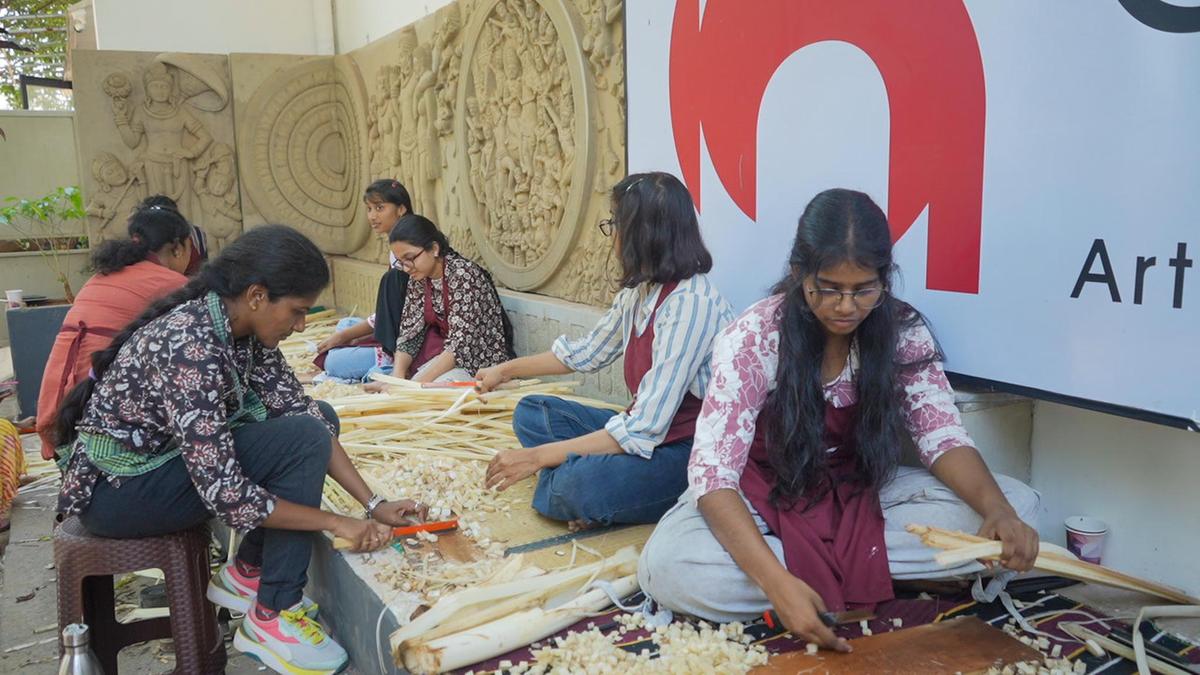
A special three-day workshop was recently held in Visakhapatnam to teach people how to turn banana stems into high-quality paper. This event focused on using agricultural waste to create something useful and beautiful. By teaching these skills, the workshop aimed to promote eco-friendly habits and provide new ways for people to earn money. The process turns a part of the plant that is usually thrown away into a durable product that can replace traditional wood-based paper.
Main Impact
The primary impact of this workshop is the focus on environmental sustainability. Most paper today comes from cutting down trees, which harms forests and the animals that live in them. By using banana stems, we can produce paper without destroying forests. This method also helps farmers. After a banana plant grows fruit, the stem is often seen as a burden. Turning this waste into paper gives it a new purpose and helps keep the environment clean.
Key Details
What Happened
During the three-day event in Visakhapatnam, participants gathered to learn the art of making handmade paper. Experts showed the group how to take a raw banana stem and process it into a flat, strong sheet of paper. The workshop was very hands-on, meaning everyone got to try the steps themselves. They learned how to clean the fibers, cook them to make them soft, and use screens to lift the pulp out of the water. The result was a thick, textured paper that is much stronger than the paper we use in school or offices.
Important Numbers and Facts
Banana plants are unique because they only produce fruit one time. Once the bananas are picked, the rest of the plant is usually cut down. In a country like India, which grows millions of tons of bananas every year, there is a massive amount of waste left behind. The workshop highlighted that banana fiber is one of the strongest natural fibers available. While regular paper might tear easily, paper made from these stems is very tough. It can be used for things like heavy bags, art paper, and even sturdy greeting cards.
Background and Context
The idea of making paper from plants is not new, but it is becoming more popular as people look for ways to protect the earth. In the past, people used many different types of grass and cloth to make paper. Today, the world relies mostly on wood pulp. However, the process of making wood pulp often uses many harsh chemicals that can hurt the water supply. Handmade banana paper is different because it uses fewer chemicals and relies on the natural strength of the plant. This workshop in Visakhapatnam is part of a larger movement to bring back traditional skills that are better for the planet.
Public or Industry Reaction
The reaction to the workshop has been very positive. Many local artists and students attended to see how they could use this new material in their work. Small business owners are also looking at this as a way to create "green" products that customers want to buy. People are excited because the paper has a unique look and feel that you cannot find in a store. Environmental groups have praised the effort, saying that teaching people to use waste is the best way to stop pollution. They hope that more cities will start similar programs to help reduce the amount of trash sent to landfills.
What This Means Going Forward
Looking ahead, this workshop could lead to the start of small paper-making factories in rural areas. Since the raw material is free or very cheap, it is a great way for people in villages to start a business. We might see more notebooks, envelopes, and gift boxes made from banana fiber in local shops. As more people learn these skills, the cost of handmade paper might go down, making it easier for everyone to choose eco-friendly options. It also sets an example for other industries to look at their own waste and find creative ways to reuse it.
Final Take
The banana stem paper workshop in Visakhapatnam shows that we do not always need complex technology to solve our problems. Sometimes, the best solutions are found in nature and in the things we usually throw away. By turning a simple plant stem into a useful piece of paper, we can protect our trees and support our local communities at the same time. This project is a great example of how small changes in how we make things can have a big, positive effect on the world around us.
Frequently Asked Questions
Is banana paper as good as regular paper?
Yes, it is actually stronger and more durable than regular paper. It has a unique texture that makes it great for art and special documents.
Does making this paper hurt the banana fruit harvest?
No, it does not. The paper is made from the stem after the fruit has already been harvested. The stem would normally be thrown away, so this process uses waste material.
Can you use banana paper in a regular printer?
Some types of banana paper can be made thin enough for printers, but most handmade versions are thicker and better suited for writing, drawing, or making bags and boxes.

