
Summary
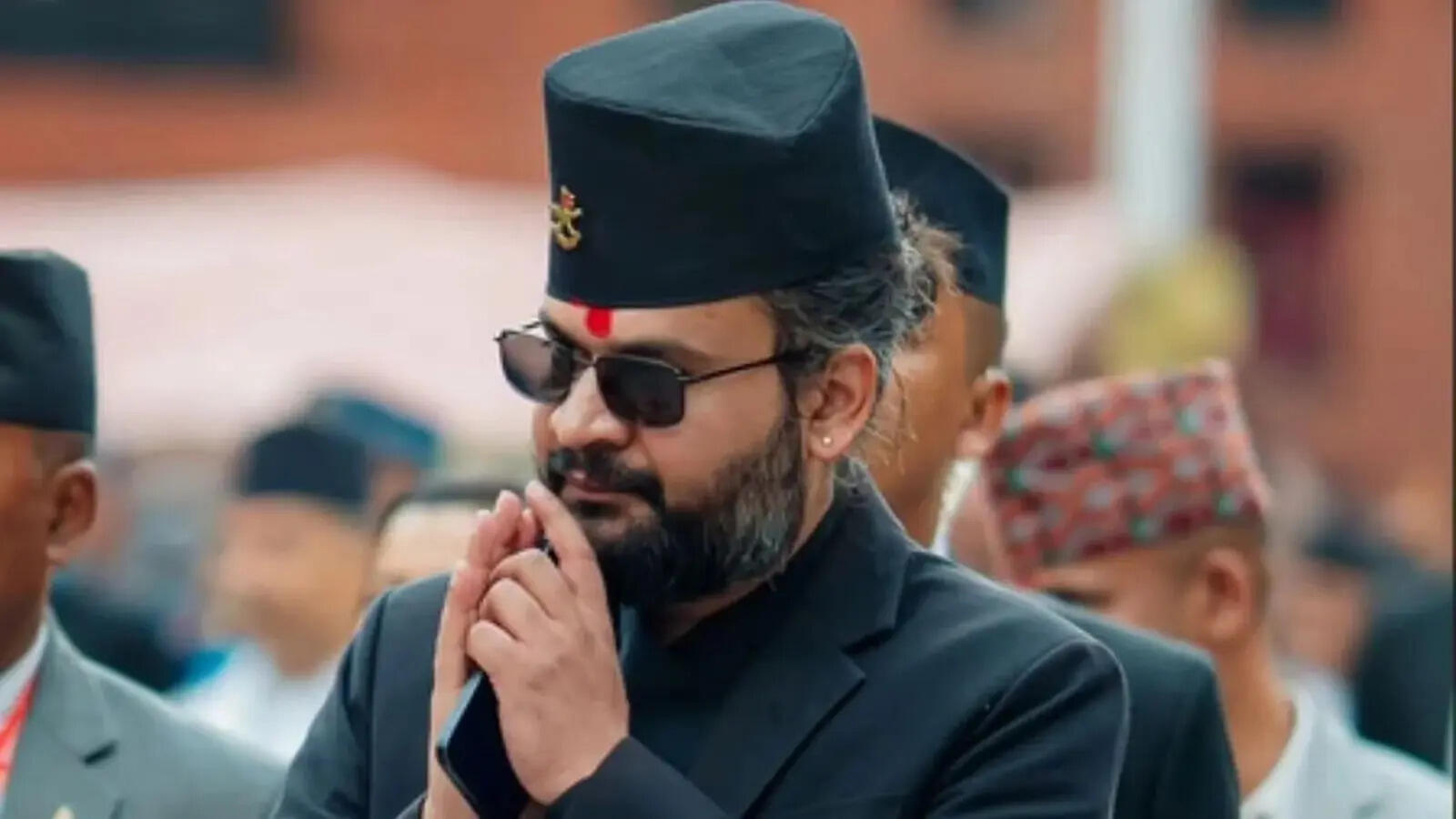
Nepal’s Prime Minister, Balendra “Balen” Shah, has officially accepted an invitation from Indian Prime Minister Narendra Modi to visit India. This diplomatic move comes at a time when Shah is also launching a major domestic plan to change how Nepal is governed. He recently shared a 100-point agenda designed to fix the country’s internal problems, focusing on helping regular citizens rather than powerful officials. The plan aims to improve healthcare, education, and safety while removing the special treatment often given to politicians.
Main Impact
The decision to visit India is a significant step for Nepal’s foreign policy, as it shows a desire to maintain strong ties with its neighbor. However, the biggest impact is felt within Nepal’s own borders. By introducing a massive reform plan, Prime Minister Shah is trying to change the political culture of the country. His focus on "anti-VIP" measures is intended to make the government more accountable to the people. If successful, these changes could reduce the power of political parties over schools and government offices, making daily life better for millions of people.
Key Details
What Happened
Prime Minister Balen Shah confirmed that he will travel to India following a personal invite from Prime Minister Modi. While the dates for the trip are being finalized, the focus in Nepal has shifted to Shah’s new 100-point governance plan. This plan is a list of specific goals that the government wants to achieve to make the country run more smoothly. It covers everything from how hospitals treat the poor to how children are taught in schools.
Important Numbers and Facts
The reform plan consists of 100 distinct points. One of the most talked-about parts of the plan is the push to end "VIP culture." In many places, high-ranking officials get special treatment in traffic, at airports, and in government buildings. Shah wants to stop this so that everyone is treated equally. The plan also includes a promise to expand free healthcare services for people who cannot afford to pay. Additionally, the government wants to make public transport safer for women by adding better security and rules for bus and taxi drivers.
Background and Context
Balen Shah rose to power as an outsider who promised to clean up the system. Before becoming Prime Minister, he served as the Mayor of Kathmandu, where he became known for his direct and often bold actions. Many people in Nepal feel that the traditional political parties have failed to provide basic services like good roads, clean water, and fair jobs. By focusing on a 100-point agenda, Shah is trying to show that he has a clear path to fix these long-standing issues. At the same time, maintaining a good relationship with India is vital for Nepal’s economy, as the two countries share a large border and trade many goods.
Public or Industry Reaction
The reaction to the 100-point plan has been mostly positive among the general public. Many citizens are tired of the slow pace of government work and the way political parties interfere with schools and offices. Students and parents have especially welcomed the idea of reducing academic pressure on young children. However, some long-time politicians and government workers are worried about the changes. They feel that reducing "VIP" privileges might take away the respect their positions usually hold. There is also some debate about how the government will find the money to pay for free healthcare and better public transport.
What This Means Going Forward
In the coming months, the world will watch how Balen Shah handles his visit to India. This trip will likely involve talks about trade, energy, and security. Back at home, the success of the 100-point plan will depend on how well the government can actually do what it promised. Changing the way a country works is difficult, especially when trying to stop political interference in schools and the bureaucracy. If Shah can show real progress in these areas, he will likely gain even more support from the youth and the working class in Nepal.
Final Take
Balen Shah is trying to balance two very important tasks: keeping good relations with a powerful neighbor and fixing deep problems at home. His 100-point plan is a bold attempt to put the needs of regular people before the needs of politicians. While the visit to India will be a major event for diplomacy, the real test of his leadership will be whether he can turn his list of 100 promises into real changes that people can see in their daily lives.
Frequently Asked Questions
Why is the Nepal PM visiting India?
He is visiting because Prime Minister Narendra Modi invited him. The visit is meant to strengthen the relationship and cooperation between the two neighboring countries.
What is the "anti-VIP" reform?
It is a plan to stop giving special treatment to politicians and high-ranking officials. The goal is to make sure that leaders follow the same rules as regular citizens in public places and services.
How will the new plan help students?
The plan aims to reduce the heavy academic pressure on young children. It also seeks to stop political parties from interfering with how schools and colleges are managed.



