Summary
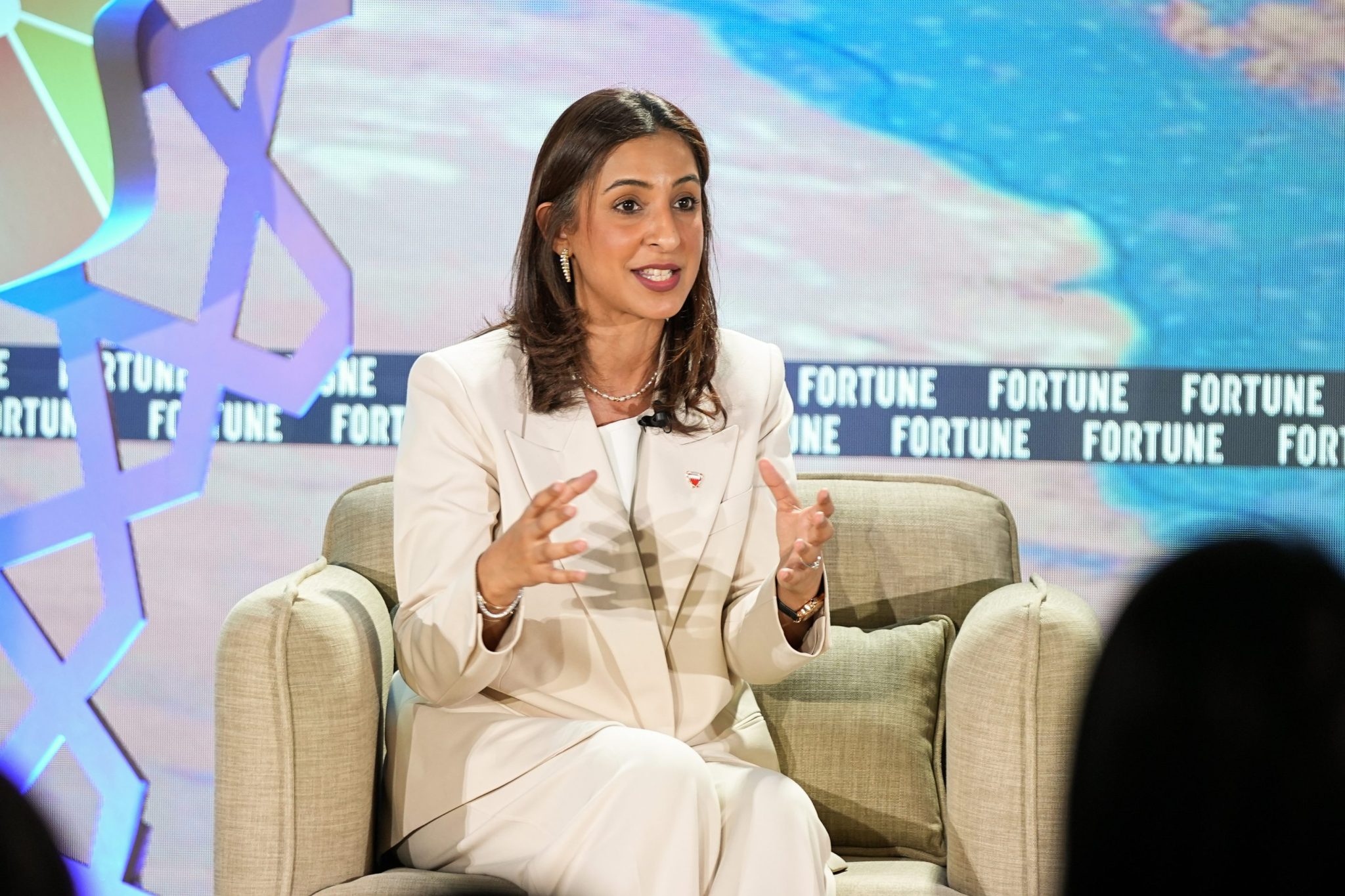
Bahrain's Economic Development Board (EDB) is working hard to attract foreign investors even as the country faces serious economic and regional challenges. The EDB's CEO, H.E. Noor bint Ali Alkhulaif, recently completed visits to the United Kingdom and China to strengthen trade ties. These efforts come at a time when Bahrain's foreign exchange reserves have dropped sharply, and the country is dealing with the highest debt levels in the Gulf region. Despite these headwinds, the EDB remains focused on key sectors like manufacturing, energy, and technology to drive future growth.
Main Impact
The EDB's push to win investors is critical for Bahrain's economy, which is the smallest among Gulf states with a nominal GDP of about $48.85 billion. The country also carries the highest debt burden in the region and is the only Gulf Cooperation Council (GCC) state without an investment-grade credit rating. Recent drone attacks on data centers in Bahrain and the UAE have raised concerns about digital security, but the EDB says most investment plans remain on track. However, sectors like manufacturing, logistics, and tourism have felt the effects of ongoing regional conflicts.
Key Details
What Happened
H.E. Noor, CEO of Bahrain's EDB, led a five-day visit to the United Kingdom in early July to deepen economic ties and attract new investment. This trip followed a similar five-day visit to China and Hong Kong at the end of June. The EDB is eager to take advantage of the recently concluded U.K.-GCC free trade agreement (FTA), which could increase trade between the U.K. and GCC countries by nearly 20% annually. The U.K.'s current trade with the GCC is worth about £53 billion ($71 billion).
Important Numbers and Facts
China is Bahrain's third-largest trading partner, with bilateral trade reaching $2.43 billion in 2025. Bahrain's foreign exchange reserves fell 56% to $1.5 billion at the end of May, their lowest level since the Covid-19 crisis. The UAE extended a $5.4 billion currency swap line to Bahrain in April, but the kingdom has not yet used it. The EDB is targeting growth in manufacturing, energy, life sciences, healthcare, and technology sectors, including AI and cloud computing.
Background and Context
Bahrain has long faced economic challenges due to its small size and high public debt. Unlike other Gulf states, it does not have large oil reserves to fall back on. This makes attracting foreign investment essential for creating jobs and sustaining growth. The recent U.K.-GCC free trade agreement is seen as a major opportunity for Bahrain to boost exports and attract British companies. At the same time, regional tensions, including Iranian attacks on multiple GCC states, add uncertainty to the investment climate.
Public or Industry Reaction
H.E. Noor acknowledged that the drop in foreign exchange reserves is concerning but said the UAE's support package provides a "good buffer" for investors and local banks. She noted that the EDB has not seen major disruptions to existing or planned investments, despite the regional conflicts. However, she admitted that some sectors like manufacturing, logistics, and tourism have been impacted by the war. The drone attacks on AWS data centers earlier this year have also shifted the conversation from digital sovereignty to digital resilience, which could affect future tech investments.
What This Means Going Forward
Bahrain's ability to attract and retain investors will depend on how well it manages both economic and geopolitical risks. The EDB is laying the groundwork for the U.K.-GCC FTA by focusing on key sectors and building partnerships. Amazon Web Services and Oracle are looking to expand their presence in Bahrain, and there are plans to turn the country into a regional data-hosting hub. However, the sharp drop in foreign exchange reserves and the lack of an investment-grade credit rating remain significant hurdles. The UAE's financial support offers some reassurance, but Bahrain will need to show sustained progress to maintain investor confidence.
Final Take
Bahrain's EDB is taking a proactive approach to attract investment despite mounting challenges. The CEO's recent trips to the U.K. and China show a clear strategy to diversify the economy and reduce reliance on oil. While the road ahead is not easy, the kingdom's focus on technology, manufacturing, and energy could help it weather the current storm. The success of these efforts will depend on how quickly Bahrain can turn its plans into real projects and jobs.
Frequently Asked Questions
Why is Bahrain's EDB focusing on the U.K. and China?
The EDB is targeting these countries because they offer strong trade and investment opportunities. The U.K.-GCC free trade agreement could boost trade by nearly 20%, while China is already Bahrain's third-largest trading partner. Both visits aim to strengthen economic ties and attract new businesses to Bahrain.
What are the main challenges facing Bahrain's economy?
Bahrain faces several challenges, including high public debt, a sharp drop in foreign exchange reserves, and the impact of regional conflicts on key sectors like tourism and logistics. The country also lacks an investment-grade credit rating, which makes it harder to attract some investors.
How is Bahrain planning to grow its technology sector?
Bahrain is betting on AI and cloud computing to drive future growth. Companies like Amazon Web Services and Oracle are looking to expand their presence in the country. The EDB is also working on plans to make Bahrain a regional data-hosting hub, focusing on digital resilience after recent drone attacks on data centers.