
Summary
The Archaeological Survey of India (ASI) is facing serious accusations in the Madhya Pradesh High Court regarding its handling of the Bhojshala-Kamal Maula Mosque case. Legal representatives have told the court that the ASI is "shifting stands," which means the agency is allegedly changing its story or position during the legal process. This development is significant because the ASI is responsible for conducting a scientific survey to determine the original nature of the disputed site. If the court finds that the agency is being inconsistent, it could impact the final decision on whether the site is a temple or a mosque.
Main Impact
The main impact of these allegations is a potential loss of trust in the scientific findings provided by the ASI. As a government body, the ASI is expected to provide neutral and factual data to the court. When one side claims the agency is misleading the judges, it creates a cloud of doubt over the entire investigation. This could lead to longer delays in a case that has already lasted for many years. Furthermore, it heightens tensions between the two communities involved, as both sides rely on the survey results to support their historical claims.
Key Details
What Happened
During the recent court hearing, lawyers argued that the ASI has not been consistent in its reports and statements. They pointed out that the agency's current position does not match what was said in earlier documents or during the start of the survey. The term "shifting stands" suggests that the ASI might be trying to adjust its findings or interpretations to fit a different narrative. This led to a formal complaint to the High Court, asking the judges to look closely at how the ASI is presenting its evidence.
Important Numbers and Facts
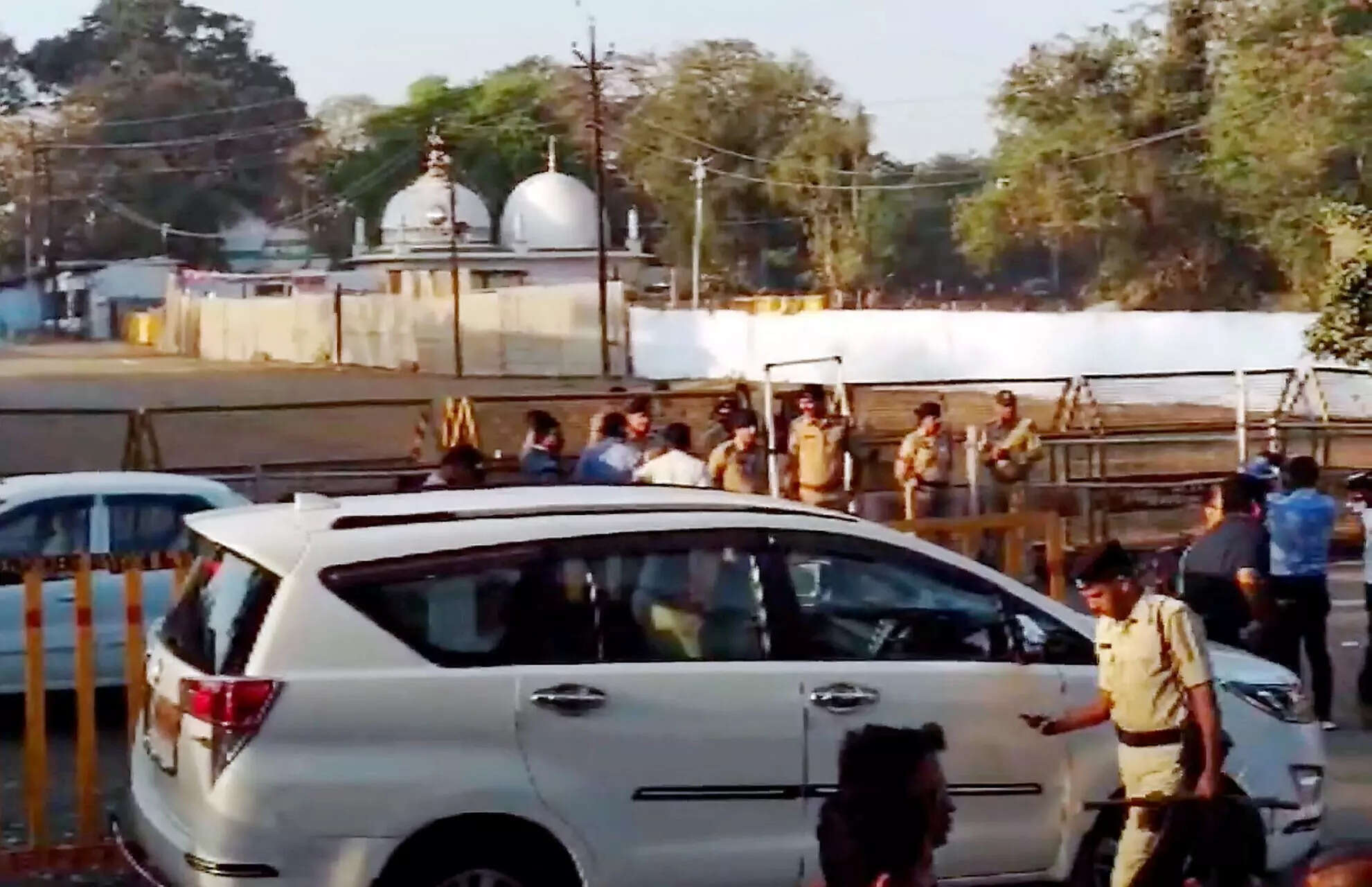
The Bhojshala site is an 11th-century monument located in the Dhar district of Madhya Pradesh. The High Court ordered a scientific survey of the premises in early 2024. This survey involves using modern tools like ground-penetrating radar (GPR) and carbon dating to look at the structures beneath the surface. The ASI was given several weeks to complete its work and submit a detailed report. The legal battle over this site has been active for decades, with a major agreement reached in 2003 that allowed both Hindus and Muslims to use the space on different days of the week.
Background and Context
The Bhojshala dispute is a long-standing disagreement over a historical building. Hindus believe the site is a temple dedicated to Goddess Saraswati, built by King Bhoja. On the other hand, Muslims consider it to be the Kamal Maula Mosque. Because of these overlapping claims, the site is protected by the central government. For many years, a temporary solution has been in place: Hindus are allowed to perform prayers on Tuesdays, and Muslims are allowed to offer prayers on Fridays. However, many people want a permanent decision on who the site belongs to, which is why the court ordered the ASI to find out the building's true history through science.
Public or Industry Reaction
The reaction to the "shifting stands" claim has been sharp. Legal experts say that if a government agency changes its position in court, it can be seen as a sign of weakness in the evidence. Supporters of the mosque have often expressed worry that the survey might not be fair. Meanwhile, those supporting the temple claim believe the survey will prove their side right. The news that the ASI is being accused of misleading the court has added more fuel to the public debate, with many people calling for total transparency in how the historical items and structures are being recorded.
What This Means Going Forward
Moving forward, the High Court will likely ask the ASI to explain why its statements seem to be changing. The judges may demand a more detailed explanation of the survey methods and the findings discovered so far. If the court is not satisfied, it could order additional checks or bring in outside experts to verify the ASI's work. The final report from the ASI will be the most important piece of evidence in this case. Everyone is waiting to see if the report will provide a clear answer or if it will lead to even more legal arguments and disagreements.
Final Take
The integrity of the ASI is at the center of this legal battle. For a fair outcome, the court needs facts that do not change based on pressure or outside influence. As the survey nears its end, the focus will remain on whether the evidence is presented clearly and honestly. Only a transparent process can bring a peaceful and lasting resolution to the Bhojshala dispute.
Frequently Asked Questions
What does "shifting stands" mean in this case?
It means the Archaeological Survey of India (ASI) is being accused of changing its legal position or the facts it presents to the court, making its testimony seem inconsistent.
Why is the ASI surveying the Bhojshala site?
The court ordered the survey to find scientific evidence about the original nature of the building to help decide if it was originally a Hindu temple or a Muslim mosque.
What is the current rule for praying at the site?
Under a 2003 agreement, Hindus are permitted to pray at the site on Tuesdays, while Muslims are permitted to offer prayers there on Fridays.



