
Summary
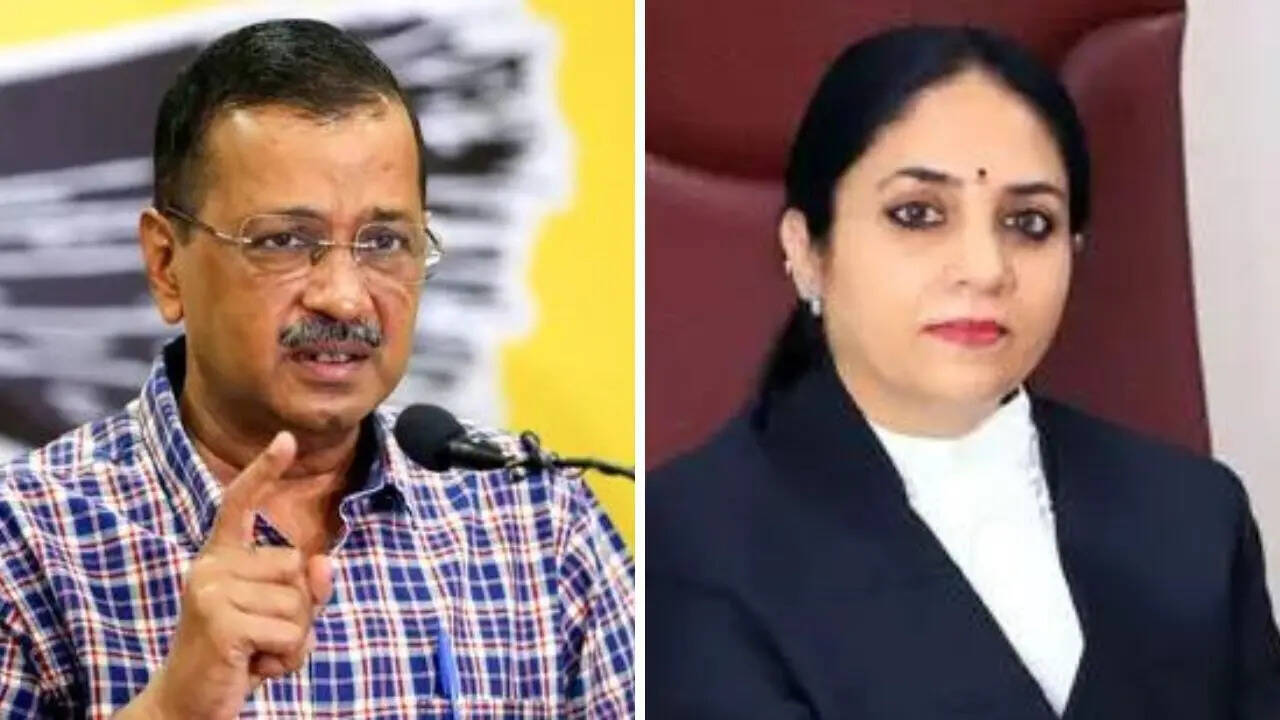
Delhi Chief Minister Arvind Kejriwal has officially declined to appear before the Delhi High Court regarding the ongoing excise policy case. In a letter addressed to the court, he expressed that his hope for receiving a fair trial has been deeply hurt. He has decided to follow a path of peaceful protest, similar to the methods used by Mahatma Gandhi, and will now take his legal battle to the Supreme Court of India. This move marks a significant escalation in the legal and political conflict surrounding the Delhi government.
Main Impact
The decision by a sitting Chief Minister to refuse a court appearance is a rare and bold move in the Indian legal system. It signals a complete breakdown in trust between the head of the Delhi government and the local high court. This action forces the legal battle into the Supreme Court much faster than expected. It also intensifies the political tension between the Aam Aadmi Party (AAP) and the central government, as both sides trade accusations of corruption and political vendettas.
Key Details
What Happened
Arvind Kejriwal was expected to present his side of the story before Justice Swarana Kanta at the Delhi High Court. However, instead of attending, he sent a formal communication stating he would not participate in the proceedings. He claimed that the way the case is being handled has left him with no confidence in the current process. He specifically mentioned that he feels "shattered" by the lack of justice he has seen so far. By invoking the idea of "Satyagraha," he is framing his refusal as a moral stand rather than just a legal choice.
Important Numbers and Facts
The case centers on the Delhi Excise Policy of 2021-22, which changed how liquor was sold in the city. Investigative agencies like the Enforcement Directorate (ED) claim that the policy was designed to help certain private businesses in exchange for 100 crore rupees in bribes. Kejriwal was arrested on March 21, 2024, making him the first leader to be taken into custody while still serving as a Chief Minister. He has already spent several weeks in jail, and his party has repeatedly asked for his release, claiming there is no physical evidence of money changing hands.
Background and Context
To understand this situation, it is important to know what the excise policy was. A few years ago, the Delhi government decided to stop selling alcohol through government-run shops and handed the business over to private companies. They argued this would stop corruption and increase tax money. However, the Lieutenant Governor of Delhi called for an investigation, claiming the rules were broken to favor big liquor businessmen. This led to a massive probe that has already seen several top leaders from the Aam Aadmi Party sent to jail. Kejriwal and his supporters argue that the entire case is a political trick to stop them from campaigning in elections.
Public or Industry Reaction
The reaction to Kejriwal's refusal has been split along political lines. Supporters of the Aam Aadmi Party believe he is being brave by standing up to what they call a "unfair system." They argue that the courts should protect the rights of elected leaders. On the other hand, members of the Bharatiya Janata Party (BJP) have criticized the move. They say that no one is above the law and that refusing to appear in court shows that Kejriwal is afraid of the evidence. Legal experts are watching closely, as this sets a new example for how high-profile political figures might challenge court orders in the future.
What This Means Going Forward
All eyes are now on the Supreme Court. Kejriwal’s legal team is expected to file an urgent plea asking the top judges to review his arrest and the High Court's previous decisions. If the Supreme Court decides to hear the case, it could result in a major ruling on whether a Chief Minister can be kept in jail without a trial. If they refuse to help, Kejriwal may remain in custody for a long time. This also leaves the Delhi government in a strange position, as the leader of the city is trying to make decisions and sign papers from inside a prison cell.
Final Take
Arvind Kejriwal is taking a massive legal risk by turning his back on the High Court. By calling his actions a form of Satyagraha, he is trying to turn a legal problem into a public movement. Whether this strategy works depends entirely on how the Supreme Court views his arguments. For now, the standoff continues, and the future of Delhi’s leadership remains uncertain as the legal battle moves to its highest level.
Frequently Asked Questions
Why did Arvind Kejriwal refuse to go to court?
He stated that he has lost hope in getting a fair trial at the High Court level and believes the legal process is being used against him unfairly.
What is the liquor policy case about?
It is an investigation into claims that the Delhi government changed alcohol sales rules to help private companies in exchange for illegal payments.
What will happen next in this case?
Kejriwal plans to appeal to the Supreme Court of India, which will decide if his arrest was legal and if he should be granted bail.



