
Summary
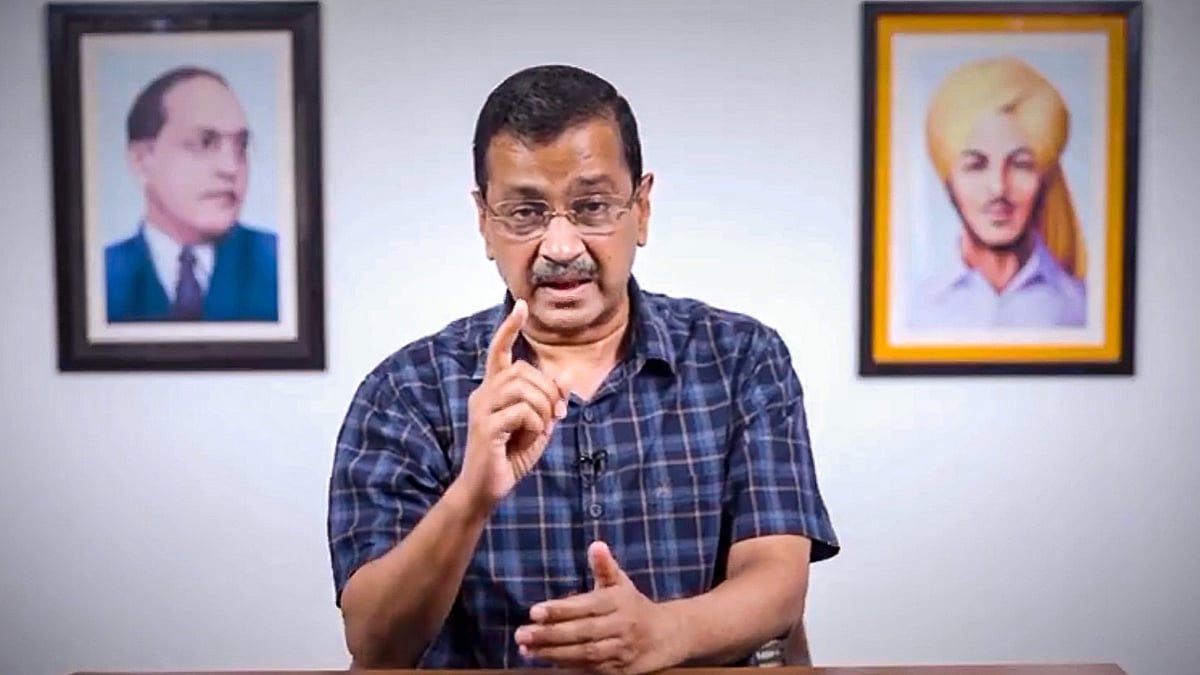
Arvind Kejriwal, the leader of the Aam Aadmi Party (AAP) and former Chief Minister of Delhi, has announced that he will no longer attend court hearings before Justice Swarna Kanta Sharma. In a formal letter, Kejriwal explained that he is following the principle of "satyagraha," a form of peaceful protest made famous by Mahatma Gandhi. He believes that he will not receive a fair hearing in this specific court regarding the Delhi excise policy case. This decision marks a significant moment of tension between a prominent political leader and the judicial system.
Main Impact
This move by Kejriwal is a direct challenge to the authority of the Delhi High Court. By refusing to appear personally or send his legal team, he is effectively halting his participation in the current proceedings. This action could lead to further legal delays and might result in a new legal battle over whether a person can choose to boycott a specific judge. It also places a spotlight on the relationship between politicians and the judiciary, raising questions about how bias is perceived in high-profile legal cases.
Key Details
What Happened
Arvind Kejriwal shared a four-page letter on social media addressed to Justice Swarna Kanta Sharma. In the letter, he stated that he would not participate in the ongoing hearings because he does not believe the process is impartial. He argued that for justice to be valid, people must be able to see that it is being done fairly. Because he feels this is not happening, he has decided to stop his involvement in her court entirely. He also confirmed that his lawyers would not represent him in these specific proceedings.
Important Numbers and Facts
The legal timeline for this case has been active for several months. On February 27, 2026, a trial court acquitted Kejriwal and 23 other people in the excise policy case. However, the Central Bureau of Investigation (CBI) did not agree with this decision and challenged it in the Delhi High Court on March 9. Since then, Kejriwal has repeatedly asked for a different judge to hear the case. On April 20, Justice Sharma officially refused to step down, stating there was no evidence of bias. Kejriwal’s letter on April 27 is his direct response to that refusal.
Background and Context
The Delhi excise policy case involves allegations of wrongdoing in how the city’s liquor licenses were handled. The CBI and the Enforcement Directorate (ED) have been investigating whether the policy was changed to benefit certain business groups in exchange for money. Kejriwal and his party have always denied these claims, calling them politically motivated. The case is important because it involves the top leadership of the AAP and has led to several arrests over the past year.
Kejriwal’s main concern with Justice Sharma involves her professional history and her family. He pointed out that the judge has attended events organized by a specific group of lawyers called the Advocates’ Council. He also claimed that her children work under the Solicitor-General, who is the lawyer representing the CBI against him. Kejriwal believes these connections make it difficult for the judge to remain neutral.
Public or Industry Reaction
The reaction to Kejriwal’s letter has been mixed. Within his own party, the move is seen as a brave stand for fairness and a way to highlight what they call "unfair treatment" by central agencies. However, opponents have criticized the move. Congress leader Udit Raj stated that Kejriwal seems to want to act as his own judge and does not show enough respect for the judicial system. Justice Sharma herself previously addressed the concerns, saying that a judge cannot step down just because a person has "unfounded fears." She argued that attending professional events is a normal part of a judge's life and does not mean they have a political bias.
What This Means Going Forward
Kejriwal has stated that he will take his fight to the Supreme Court of India. He plans to challenge Justice Sharma’s decision to stay on the case. If the Supreme Court agrees with him, the case will be moved to a different judge. If the Supreme Court rejects his plea, Kejriwal will face a difficult choice: return to Justice Sharma’s court or continue his boycott, which could lead to legal penalties for contempt of court. In the meantime, the CBI’s challenge against his earlier acquittal remains in a state of uncertainty as the legal teams figure out the next steps.
Final Take
Arvind Kejriwal’s use of "satyagraha" in a legal setting is a bold political and legal strategy. By framing his refusal to attend court as a moral protest, he is attempting to shift the public conversation from the details of the excise case to the fairness of the legal system itself. Whether this strategy helps his case or leads to more legal trouble will depend on how the higher courts view his actions in the coming weeks.
Frequently Asked Questions
What is satyagraha?
Satyagraha is a principle of non-violent resistance. It was developed by Mahatma Gandhi and means "holding onto the truth." In this context, Kejriwal is using it to say he is peacefully refusing to cooperate with a process he considers unfair.
Why does Kejriwal want a different judge?
Kejriwal claims that Justice Sharma might be biased because she attended certain legal events and because her children work for the lawyer representing the government agency that is investigating him.
What happens if a person refuses to go to court?
Usually, if a person refuses to appear in court, the judge can pass orders without them, or the person can be charged with contempt of court. However, since Kejriwal is challenging the judge's role in the Supreme Court, the process may wait for a higher court's decision.

