
Summary
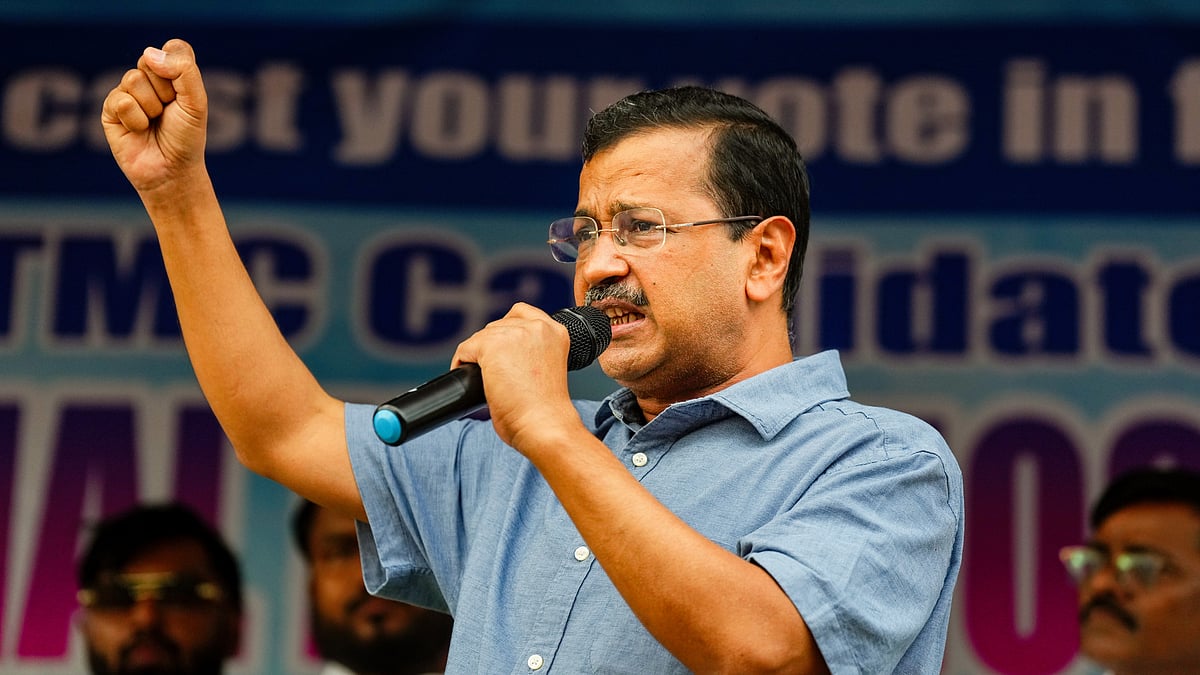
Arvind Kejriwal, the former Chief Minister of Delhi, has sparked a major debate by announcing a boycott of a specific judge in the Delhi High Court. He stated that he will no longer participate in proceedings led by Justice Swarna Kanta Sharma, citing concerns over fairness and a conflict of interest. Kejriwal described his decision as a "satyagraha," a form of peaceful protest, and expressed readiness to deal with any legal consequences. This move has created a divide among legal experts and raised questions about the relationship between the judiciary and the government.
Main Impact
The primary impact of this decision is a direct challenge to the perceived neutrality of the court system. By refusing to appear, Kejriwal is highlighting what he believes is a deep-seated bias within certain legal circles. This action could lead to significant delays in the Delhi excise case, where the Central Bureau of Investigation (CBI) is currently appealing a lower court's decision to discharge him. Furthermore, it forces a public conversation about how the family members of judges are employed by the government and whether those roles influence court decisions.
Key Details
What Happened
Arvind Kejriwal sent a formal letter to Justice Swarna Kanta Sharma explaining his refusal to attend her court. He alleged that there is a clear conflict of interest because the judge's children hold positions on legal panels for the Union government. Kejriwal stated that he would not appear in any case involving the Bharatiya Janata Party (BJP), the Rashtriya Swayamsevak Sangh (RSS), or cases where Solicitor General Tushar Mehta is representing the other side. He argued that for justice to be valid, it must not only be done but must also clearly look like it is being done fairly to the public.
Important Numbers and Facts
Kejriwal shared specific data to support his claims of a conflict of interest. According to information obtained through Right to Information (RTI) requests, the judge’s son was assigned an unusually high number of cases. Between 2023 and 2025, he was reportedly given 5,904 dockets. This high number places him among the top ten lawyers receiving the most work from a pool of about 700 government-appointed lawyers for the Supreme Court.
The financial details mentioned in the letter are also significant. Each assigned case carries a daily appearance fee of Rs 9,000. Members of the Aam Aadmi Party (AAP) suggested that if the judge’s son appeared just twice a year for each of these cases, his annual earnings could reach approximately Rs 10 crore. The timeline of these appointments was also questioned. Justice Sharma was appointed to the Delhi High Court in March 2022. Just five months later, her son was added to a government legal panel. By September 2025, both her son and daughter held multiple roles representing the Union government in high-level courts.
Background and Context
This situation stems from the long-running Delhi excise policy case. The CBI and the Enforcement Directorate have been investigating claims of corruption regarding how liquor licenses were handed out in Delhi. While a lower court had previously cleared Kejriwal and others of certain charges, the CBI is trying to reopen those issues in the High Court. Kejriwal has consistently claimed that these legal battles are politically motivated and designed to stop his party's work. By calling his boycott a "satyagraha," he is using a term famously associated with Mahatma Gandhi to frame his legal struggle as a moral fight against the state.
Public or Industry Reaction
The reaction to Kejriwal’s boycott has been mixed. Supporters of the AAP leader see this as a brave stand against a system they believe is tilted in favor of the ruling party. They argue that a judge whose children are paid large sums by the government should not hear cases involving that government’s political rivals. On the other hand, many members of the legal community are worried. Some lawyers believe that publicly boycotting a judge undermines the authority of the courts and could lead to chaos if other litigants follow suit. There are also concerns that such allegations could damage the reputation of the judiciary as a whole.
What This Means Going Forward
In the short term, the court must decide how to handle Kejriwal’s absence. If a defendant refuses to participate, the court can sometimes proceed without them or take disciplinary action, such as issuing a notice for contempt of court. This move might also lead to requests for the case to be transferred to a different judge to ensure the appearance of neutrality. Long-term, this event may prompt new discussions or rules regarding the "recusal" of judges—the process where a judge steps away from a case because of a personal connection or potential bias. It remains to be seen if the High Court will address the specific allegations regarding the employment of the judge's children.
Final Take
Arvind Kejriwal’s decision to boycott the court is a high-stakes gamble that moves a legal battle into the court of public opinion. By providing specific numbers and dates regarding the judge’s family, he has made it difficult for the legal system to ignore the issue of potential conflict of interest. While his methods are controversial and challenge the traditional respect given to the judiciary, they highlight a growing tension between political leaders and the legal institutions that judge them. The outcome will likely influence how political cases are handled in India for years to come.
Frequently Asked Questions
Why is Arvind Kejriwal boycotting the court?
He claims there is a conflict of interest because the judge's children work as lawyers for the Union government and receive a high volume of cases and fees from the state.
What is a "satyagraha" in this context?
Kejriwal is using the term to describe his boycott as a form of non-violent resistance against what he views as an unfair or biased legal process.
What could happen to Kejriwal for refusing to appear?
He could face legal penalties, including contempt of court charges, or the judge may decide to move forward with the case and make rulings in his absence.

