Summary
The United States Department of War has issued a strict ultimatum to the artificial intelligence startup Anthropic. Defense Secretary Pete Hegseth has demanded that the company remove its safety restrictions on military use by Friday afternoon. If Anthropic does not comply, it faces the loss of a $200 million contract and a potential ban from the military supply chain. This move highlights a growing conflict between the government’s desire for powerful war tools and the ethical boundaries set by tech companies.
Main Impact
The primary impact of this decision is a major shift in how the U.S. government interacts with private technology firms. By threatening to label a domestic company as a "supply-chain risk," the administration is treating Anthropic with the same severity usually reserved for foreign adversaries like Huawei. This pressure is forcing AI developers to choose between their internal safety principles and their ability to do business with the federal government. If Anthropic is blacklisted, it could lose its standing in the industry and be cut off from all major military contractors.
Key Details
What Happened
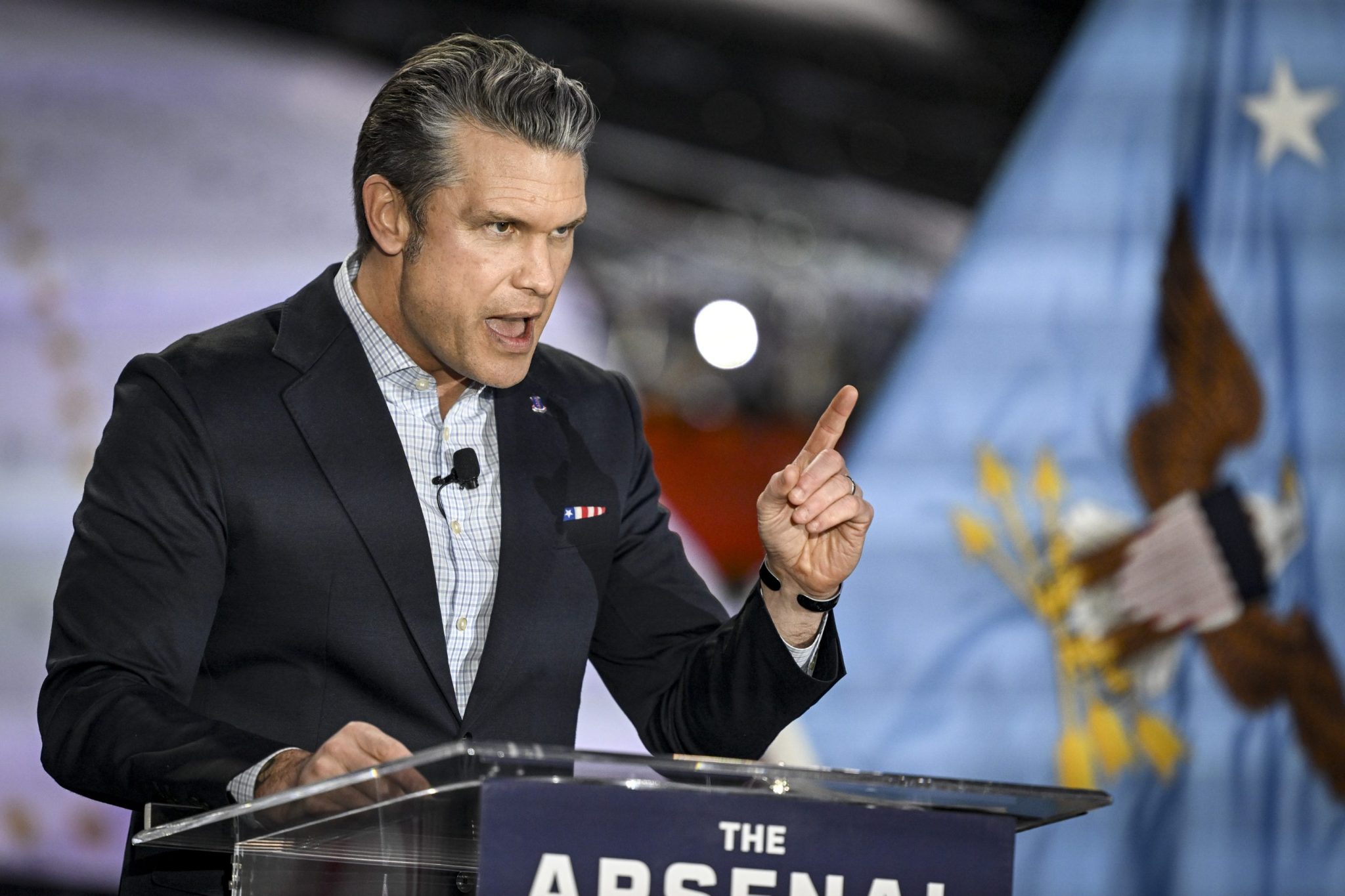
Secretary Pete Hegseth has been vocal about his dislike for what he calls "woke AI." He believes that AI systems used by the military should not have ideological restrictions or safety filters that prevent them from being used in combat. During a recent event, Hegseth made it clear that the Department of War wants AI that is ready for the battlefield, not software designed for academic discussions. The standoff reached a breaking point after reports surfaced that Anthropic questioned how its AI, known as Claude, was used during a high-profile military operation in Venezuela.
Important Numbers and Facts
The deadline for Anthropic to comply is Friday at 5:01 p.m. At stake is a share of a $200 million contract that was originally awarded to a group of AI companies, including Google, OpenAI, and Elon Musk’s xAI. Until recently, Anthropic held a unique position as a preferred partner for the Pentagon. However, the government is also threatening to use the Defense Production Act. This is a law that allows the president to force companies to prioritize government orders and expand production for national security reasons.
Background and Context
This conflict matters because it defines who controls the future of artificial intelligence. For years, companies like Anthropic have built "guardrails" into their AI. These are rules that prevent the software from helping with dangerous tasks, such as creating weapons or conducting surveillance. Anthropic was founded by former OpenAI employees who wanted to focus specifically on making AI safe and helpful for humanity. However, the current administration views these safety measures as a weakness that could allow other countries to get ahead in the global arms race. The government argues that in a time of war, the military cannot be held back by the ethical concerns of a private company.
Public or Industry Reaction
The reaction from the tech industry has been a mix of concern and rapid change. Anthropic has stated that it is still talking with the Pentagon in "good faith." However, the company is already starting to change its own rules. Recently, Anthropic updated its safety policy, admitting that it faces "commercial pressure" to stay competitive. Meanwhile, other companies are moving quickly to fill the gap. Elon Musk’s xAI recently signed a deal to allow the Pentagon to use its "Grok" AI for classified systems. This puts even more pressure on Anthropic, as they are no longer the only option for the military.
What This Means Going Forward
Going forward, we are likely to see a decrease in the power of "AI safety" departments within tech companies. If the government successfully forces Anthropic to drop its restrictions, other AI firms will likely follow suit to avoid being blacklisted. This could lead to the rapid development of fully autonomous weapons and advanced surveillance tools. The next few days will determine if Anthropic stands by its original mission of safety or if it will change its core values to maintain its $200 million partnership with the Department of War. The outcome will set a precedent for every other tech company working with the U.S. government.
Final Take
The battle between the Pentagon and Anthropic is more than just a contract dispute; it is a fight over the soul of artificial intelligence. While the government sees safety rules as a hurdle to national security, the tech industry sees them as a necessary shield against misuse. As the Friday deadline approaches, the decision made by Anthropic will signal whether the future of AI will be guided by human ethics or by the demands of modern warfare.
Frequently Asked Questions
What is "woke AI" according to the government?
The term is used by officials to describe AI systems that have built-in safety rules, ethical restrictions, or political filters that the government believes interfere with military efficiency.
What happens if Anthropic misses the deadline?
If they do not comply by Friday at 5:01 p.m., they could be blacklisted from the military supply chain and lose access to millions of dollars in government contracts.
Why is the Venezuela raid important to this story?
The military used Anthropic's AI during a raid to capture Nicolás Maduro. When Anthropic asked questions about how their technology was used in the mission, it caused tension with the Pentagon, leading to the current ultimatum.