
Summary
Andhra Pradesh is seeing a major change in its rural economy through a new focus on millet farming. The state government is helping women move beyond basic farming to become business owners and entrepreneurs. By connecting local farms directly to kitchens and markets, this program creates steady jobs and better pay. This move not only helps families earn more money but also brings healthy, traditional grains back to the dinner table.
Main Impact
The biggest impact of this initiative is the financial freedom it gives to women in rural areas. For a long time, many women worked as laborers on farms with low pay and little control over their work. Now, they are running processing centers and selling finished products like millet flour, snacks, and ready-to-eat meals. This shift is turning small villages into hubs of activity where women make the decisions. It also improves health in these areas because millets are packed with nutrients that help fight common illnesses.
Key Details
What Happened
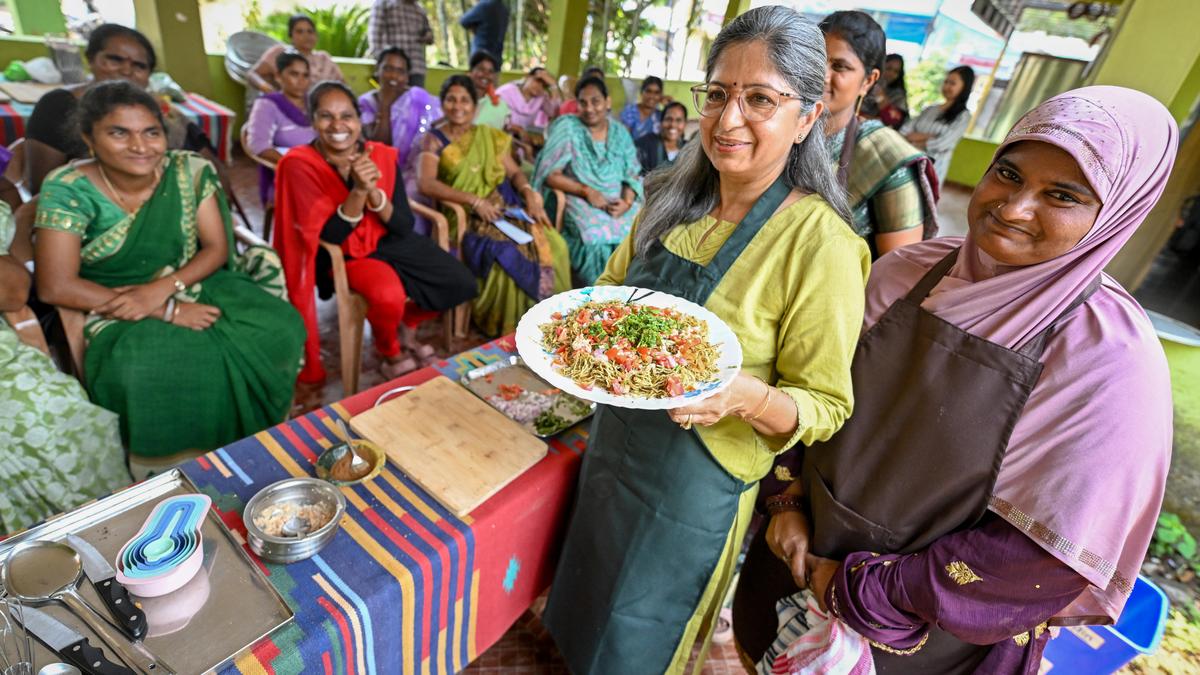
The government of Andhra Pradesh started a program to support millet production across the state. They realized that simply growing the crop was not enough to help farmers get rich. To add value, they provided women with the tools and training needed to process these grains. These women-led groups now handle everything from cleaning the seeds to packaging the final products. They sell these items in local markets, schools, and even through online platforms, ensuring that the profit stays within the community.
Important Numbers and Facts
Thousands of women across various districts are now part of self-help groups focused on millets. The program covers several types of grains, including Ragi (finger millet), Jowar (sorghum), and Bajra (pearl millet). These crops are perfect for the region because they need very little water compared to rice or wheat. In some areas, the income of participating households has seen a significant rise since they stopped selling raw grain and started selling processed food. The state has also set up special "Millet Cafes" to show people how tasty these old grains can be.
Background and Context
Millets were once the main food for people in India, but they were slowly replaced by rice and wheat over the last few decades. However, millets are much better for the environment. They can grow in poor soil and do not need expensive chemicals or lots of rain. As the world faces more heat and less water, these "superfoods" are becoming important again. The Andhra Pradesh government recognized this trend and decided to use it as a way to help rural women. By teaching them how to run a business, the state is solving two problems at once: protecting the environment and reducing poverty.
Public or Industry Reaction
Local communities have welcomed the move with great energy. Many women say that for the first time, they have their own bank accounts and a say in how their family spends money. Health experts are also happy because millets help control sugar levels and provide high fiber, which is good for the general public. Business experts note that this model is successful because it removes the middleman. Instead of selling to a large company for a low price, the women sell directly to the people who eat the food, which keeps the money in the village.
What This Means Going Forward
The next step for this program is to reach even more districts and perhaps even start exporting these products to other states or countries. The government plans to provide more advanced machinery to these women's groups so they can produce more food in less time. There is also a push to include millet-based meals in government school lunch programs. This would provide a huge, steady market for the women entrepreneurs while making sure children grow up strong and healthy. The success in Andhra Pradesh could serve as a map for other states to follow.
Final Take
This program shows that when women get the right tools and support, they can change the economy of an entire region. By focusing on a traditional crop like millet, Andhra Pradesh is building a future that is both modern and rooted in history. It is a win for the farmers, a win for the women running the businesses, and a win for everyone looking for healthier food options. The growth of these small businesses proves that local solutions are often the best way to handle big challenges.
Frequently Asked Questions
Why are millets better than rice or wheat?
Millets need much less water to grow and can survive in hot weather. They also have more fiber, minerals, and vitamins, making them a healthier choice for many people.
How does this program help women specifically?
It gives them training in business management and food processing. This allows them to earn their own money and run their own shops or small factories instead of just working as farm hands.
Where can people buy these millet products?
The products are sold in local village markets, special government-supported cafes, and increasingly through shops in bigger cities and online stores.

