
Summary
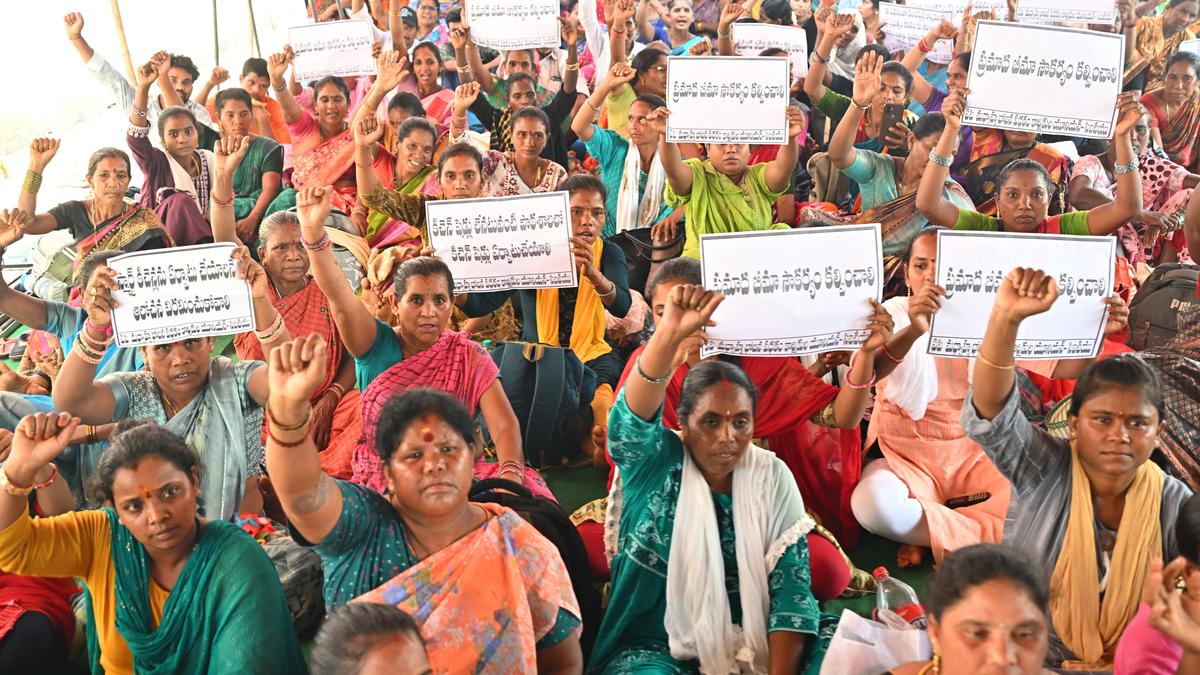
Mid-day meal workers in Andhra Pradesh are raising their voices against the state government's plan to introduce "Smart Kitchens." The workers argue that this new proposal goes against legal requirements to provide fresh, hot food to students. They are calling for the government to focus on building local kitchen sheds in every school instead of moving to a centralized cooking system. Along with these concerns, the workers are demanding a significant increase in their monthly wages and more funding for the meals themselves to keep up with rising food costs.
Main Impact
The move toward "Smart Kitchens" could change the daily lives of thousands of workers and millions of students across the state. If the government moves forward with centralized cooking, many local women who currently prepare meals may lose their jobs. Furthermore, there are concerns that food quality could drop if meals are cooked far away and transported over long distances. This protest highlights a major tension between modernizing government services and protecting the livelihoods of rural workers who provide a vital service to the community.
Key Details
What Happened
The union representing mid-day meal workers has officially challenged the Andhra Pradesh government’s "Smart Kitchen" proposal. Under this plan, the government wants to use large, automated kitchens to prepare food for many schools at once. However, the workers point out that the Supreme Court of India has already given clear instructions on this matter. The court stated that children should receive meals that are cooked fresh and served hot right at their schools. The workers believe that centralized kitchens will result in cold, less nutritious meals that do not meet these standards.
The workers are also using this moment to highlight their difficult working conditions. They argue that the current system is underfunded and that they are struggling to provide quality food with the small amount of money provided by the state. They want the government to stop the "Smart Kitchen" plan and instead invest in the existing school-based system.
Important Numbers and Facts
The workers have listed several specific demands that they want the government to meet immediately. These include:
- Minimum Wage: Workers are asking for a guaranteed monthly salary of at least ₹10,000. Currently, many earn much less, making it hard to support their families.
- Menu Charges: The union wants the government to increase the budget for each student's meal to at least ₹20. They say the current rates are too low to buy quality vegetables, oil, and eggs.
- Infrastructure: They are demanding that the government build proper kitchen sheds in every school to ensure food is prepared in a clean and safe environment.
- Legal Compliance: The union cites the Supreme Court directive as the primary reason why centralized cooking should not be allowed.
Background and Context
The Mid-Day Meal scheme is one of the largest school feeding programs in the world. Its goal is to improve the health of children and encourage them to attend school regularly. In many parts of India, this meal is the most nutritious food a child receives all day. For years, local women have been the backbone of this program, cooking traditional meals using local ingredients.
The idea of "Smart Kitchens" or centralized kitchens is often pushed as a way to make the process more efficient and hygienic. However, critics argue that these large-scale operations often prioritize speed over quality. In many cases, food is cooked very early in the morning and sits in containers for hours before it reaches the students. This has led to complaints about the taste and temperature of the food in other states where similar plans were tried.
Public or Industry Reaction
The reaction from the workers has been strong and organized. Many feel that the government is trying to hand over a public service to large organizations or private companies, leaving local workers behind. Labor unions have joined the cause, arguing that the government should support local employment rather than replacing people with machines. Parents have also expressed mixed feelings; while they want clean food for their children, they also value the freshness of meals cooked on-site by people they know from their own villages.
What This Means Going Forward
The Andhra Pradesh government now faces a difficult choice. If they continue with the "Smart Kitchen" plan, they may face more protests and potential legal challenges based on the Supreme Court's previous rulings. On the other hand, if they listen to the workers, they will need to find more room in the state budget to increase wages and food allowances. The next few months will be critical as the government decides whether to negotiate with the unions or push forward with its modernization goals. The outcome will set a standard for how school meals are handled across the region.
Final Take
Providing healthy food to school children is a basic duty of the state. While technology can often make things better, it should not come at the cost of food quality or the jobs of those who have served their communities for years. The government must find a way to improve school kitchens without taking the "local" out of the local meal program. A balance between better facilities and fair pay for workers is the most sustainable path for the future of the Mid-Day Meal scheme.
Frequently Asked Questions
What is a Smart Kitchen in the context of school meals?
A Smart Kitchen is a large, centralized facility where food is cooked in bulk for many different schools using automated machines. The food is then transported to the schools in vans.
Why are workers against centralized kitchens?
Workers fear they will lose their jobs. They also argue that food cooked in central hubs becomes cold and loses its nutritional value by the time it reaches the students.
What are the main financial demands of the workers?
The workers are asking for a minimum monthly wage of ₹10,000 and an increase in the meal budget to ₹20 per student to cover the rising costs of groceries and fuel.

