
Summary
The Andhra Pradesh Fire Services department is taking a major step forward by introducing advanced technology into its emergency response toolkit. The state has announced the deployment of specialized firefighting robots and drones designed to operate in high-risk environments. These tools are intended to help firefighters tackle blazes in areas that are too dangerous or difficult for humans to enter. By using these machines, the department aims to reduce the risk to human life while increasing the speed and efficiency of fire control operations across the state.
Main Impact
The introduction of these technological tools marks a significant shift in how emergency services handle industrial and urban disasters. The primary impact is the increased safety of fire department personnel. Firefighters often face extreme heat, toxic smoke, and the risk of structural collapse. By sending a robot or a drone into the heart of a fire first, the department can gather data and start the extinguishing process without putting a person in immediate danger. This is particularly important for the state’s growing industrial sectors, where chemical fires can release deadly fumes that make traditional firefighting nearly impossible in the early stages.
Key Details
What Happened
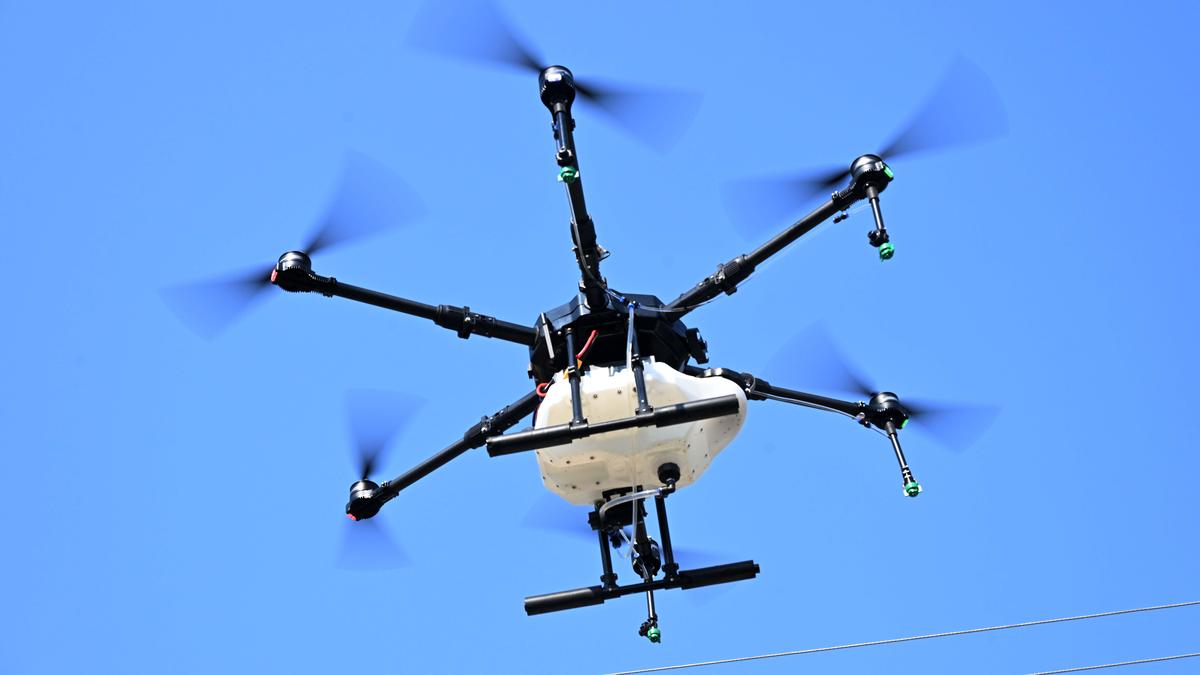
The Andhra Pradesh government has officially cleared the path for the Fire Services to use modern machinery for disaster management. These tools include ground-based robots that can withstand high temperatures and aerial drones that provide a bird's-eye view of the scene. The robots are controlled remotely, allowing operators to stay at a safe distance while the machine moves into the fire zone to spray water or foam. The drones serve a dual purpose: they act as eyes in the sky to track the spread of the fire and can also carry active firefighting materials to specific spots that are hard to reach from the ground.
Important Numbers and Facts
The drones being deployed are high-performance machines with a payload capacity of 20 kilograms. This weight limit allows them to carry essential supplies such as water containers, specialized fire-extinguishing powder, or other critical firefighting equipment. In addition to carrying materials, these drones are equipped with thermal imaging cameras. These cameras help the crew see through thick smoke to find the hottest parts of a fire or locate people who might be trapped inside a building. The robots, on the other hand, are built to navigate rough terrain and can pump thousands of liters of water per minute, providing a powerful tool for ground-level attacks on large-scale blazes.
Background and Context
Andhra Pradesh is home to several large industrial hubs, including chemical factories, pharmaceutical plants, and oil refineries. These locations are prone to high-intensity fires that are difficult to manage with standard hoses and ladders. Furthermore, cities like Visakhapatnam and Vijayawada are seeing a rise in high-rise buildings. When a fire breaks out on the upper floors of a skyscraper, reaching it from the outside is a massive challenge. Traditional ladders have height limits, and internal smoke can block stairwells. This new technology addresses these specific problems by providing a way to fight fires from the air and from within dangerous structures without risking lives.
Public or Industry Reaction
Safety experts and industrial leaders have welcomed the move, noting that modernizing the fire department is long overdue. Many believe that the use of drones will significantly cut down the time it takes to assess a fire. In the past, fire chiefs had to rely on what they could see from the street or reports from people inside. Now, they can get a full 360-degree view of a burning building within minutes of arriving. Residents in urban areas have also expressed relief, as the presence of these robots provides a sense of security that the department is better prepared for complex emergencies in crowded neighborhoods.
What This Means Going Forward
The deployment of this technology is just the beginning of a larger modernization plan. The Andhra Pradesh Fire Services will now need to focus on training a specialized group of operators. Flying a heavy-duty drone or navigating a robot through a burning building requires high levels of skill and practice. We can expect to see new training centers or programs dedicated to "tech-firefighting." Additionally, if this pilot program is successful, other states in India may follow suit, leading to a national standard where robots and drones are common sights at emergency scenes. There is also the possibility of integrating artificial intelligence to help these machines make even faster decisions during a crisis.
Final Take
Using robots and drones is a smart and necessary move for a state that is rapidly industrializing. While technology can never fully replace the bravery and expertise of human firefighters, it serves as a powerful partner that makes their jobs safer. By investing in these tools, Andhra Pradesh is showing a commitment to public safety and modern disaster management. This shift ensures that when the next major emergency happens, the fire department will have the best possible chance to save lives and protect property with minimal risk to their own team.
Frequently Asked Questions
How much weight can the firefighting drones carry?
The drones are designed with a payload capacity of 20 kilograms, which allows them to carry water, extinguishing powder, or other vital tools to the site of a fire.
Why are robots being used instead of just firefighters?
Robots are used in "hazardous zones" where the heat is too intense, the smoke is too toxic, or the structure is too unstable for humans to enter safely. They help put out the fire while keeping the firefighters at a safe distance.
Can these drones help find people trapped in a fire?
Yes, the drones are equipped with thermal cameras that can see heat signatures through thick smoke. This helps rescue teams find the location of people who may be stuck inside a burning building.

