
Summary
Andhra Pradesh is at risk of losing five seats in the Lok Sabha if a specific legal change is not brought back. Daggubati Purandeswari, the BJP MP from Rajamahendravaram, recently warned that the state's political influence could shrink during the next round of seat redistribution. She argued that the 131st Amendment, which was previously blocked, offered a solution that would have protected the interests of southern states. This issue is becoming a major point of debate as India prepares to redraw its electoral map based on population data.
Main Impact
The primary impact of this situation is a potential loss of power for Andhra Pradesh in the national government. If the number of Lok Sabha seats is reduced from 25 to 20, the state will have fewer voices to represent its needs in New Delhi. This change happens because of "delimitation," which is the process of redrawing the boundaries of voting districts. Because Andhra Pradesh has been successful in controlling its population growth, it now faces the irony of losing political representation compared to states where the population has grown much faster.
Key Details
What Happened
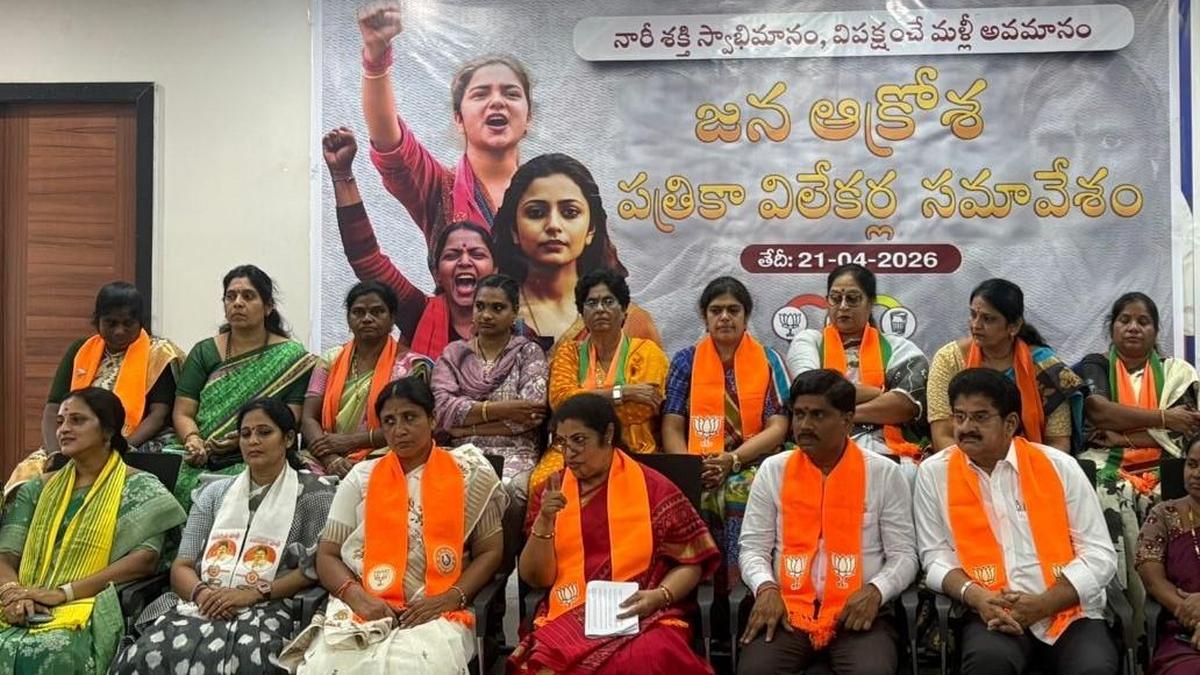
During a recent public discussion, MP Purandeswari highlighted the dangers of the upcoming delimitation process. She pointed out that the 131st Amendment included a special formula designed to prevent states from losing their current number of seats. By increasing the total size of the Lok Sabha, the amendment would have allowed growing states to gain seats without taking them away from states with stable populations. She blamed the political Opposition for defeating this Bill in the past and called for an apology, stating that their actions have put the southern states at a disadvantage.
Important Numbers and Facts
Currently, Andhra Pradesh holds 25 seats in the Lok Sabha. Under the projected new rules, this number could drop to 20. The delimitation process is usually based on the latest census data. In India, the redrawing of seats was frozen for many years to ensure that states were not punished for implementing family planning programs. However, that freeze is set to end soon. The 131st Amendment proposed a larger Parliament to accommodate the shifting population without stripping representation from states like Andhra Pradesh, Tamil Nadu, and Kerala.
Background and Context
To understand why this matters, one must look at how democracy works in India. Seats in the Lok Sabha are distributed based on the number of people living in a state. In the 1970s, the government realized that states doing a good job at controlling population growth would lose seats, while states with high birth rates would gain more power. To prevent this, the government decided to stop changing the number of seats for several decades.
Now, as the country prepares for a new census and a new map, the old problem has returned. Southern states have generally seen slower population growth due to better education and healthcare. Northern states have seen much faster growth. If the government simply follows the population numbers, the North will gain many more seats, and the South will lose them. This creates a feeling of unfairness, as the states that followed national goals for population control are the ones losing their voice in Parliament.
Public or Industry Reaction
The reaction to Purandeswari's comments has been strong. Many local leaders in Andhra Pradesh are worried about the state's future influence. There is a growing demand for the central government to find a way to balance the numbers so that no state is left behind. While the BJP MP is blaming the Opposition for blocking past solutions, other political groups argue that the current government must take responsibility for finding a new way forward. The debate is not just about numbers; it is about the balance of power between different regions of the country.
What This Means Going Forward
If the 131st Amendment or a similar plan is not revived, the political map of India will change drastically. Andhra Pradesh will have to work harder to make its voice heard with fewer representatives. There is also the risk of a wider divide between the North and the South. Experts suggest that the government may need to consider a "no-loss" policy, where the total number of seats in the Lok Sabha is increased significantly. This would ensure that even if a state's share of the population drops, its actual number of representatives stays the same or grows slightly.
Final Take
The loss of five seats would be a significant blow to Andhra Pradesh’s ability to secure funds and support for its development. Protecting the political rights of states that have successfully managed their population is essential for national unity. The discussion around the 131st Amendment shows that a technical change in the law can have a massive effect on the daily lives and political strength of millions of people. Moving forward, the focus must remain on ensuring that every part of the country feels fairly represented in the halls of power.
Frequently Asked Questions
What is delimitation?
Delimitation is the process of redrawing the boundaries of Lok Sabha and State Assembly seats to make sure each seat represents a similar number of people based on the latest census.
Why would Andhra Pradesh lose seats?
The state would lose seats because its population has grown more slowly than the national average. Since seats are given based on population size, states with slower growth end up with fewer representatives.
What was the 131st Amendment?
It was a proposed change to the law that aimed to increase the total number of seats in the Lok Sabha. This would have allowed the government to give more seats to high-growth areas without taking seats away from states like Andhra Pradesh.

