
Summary
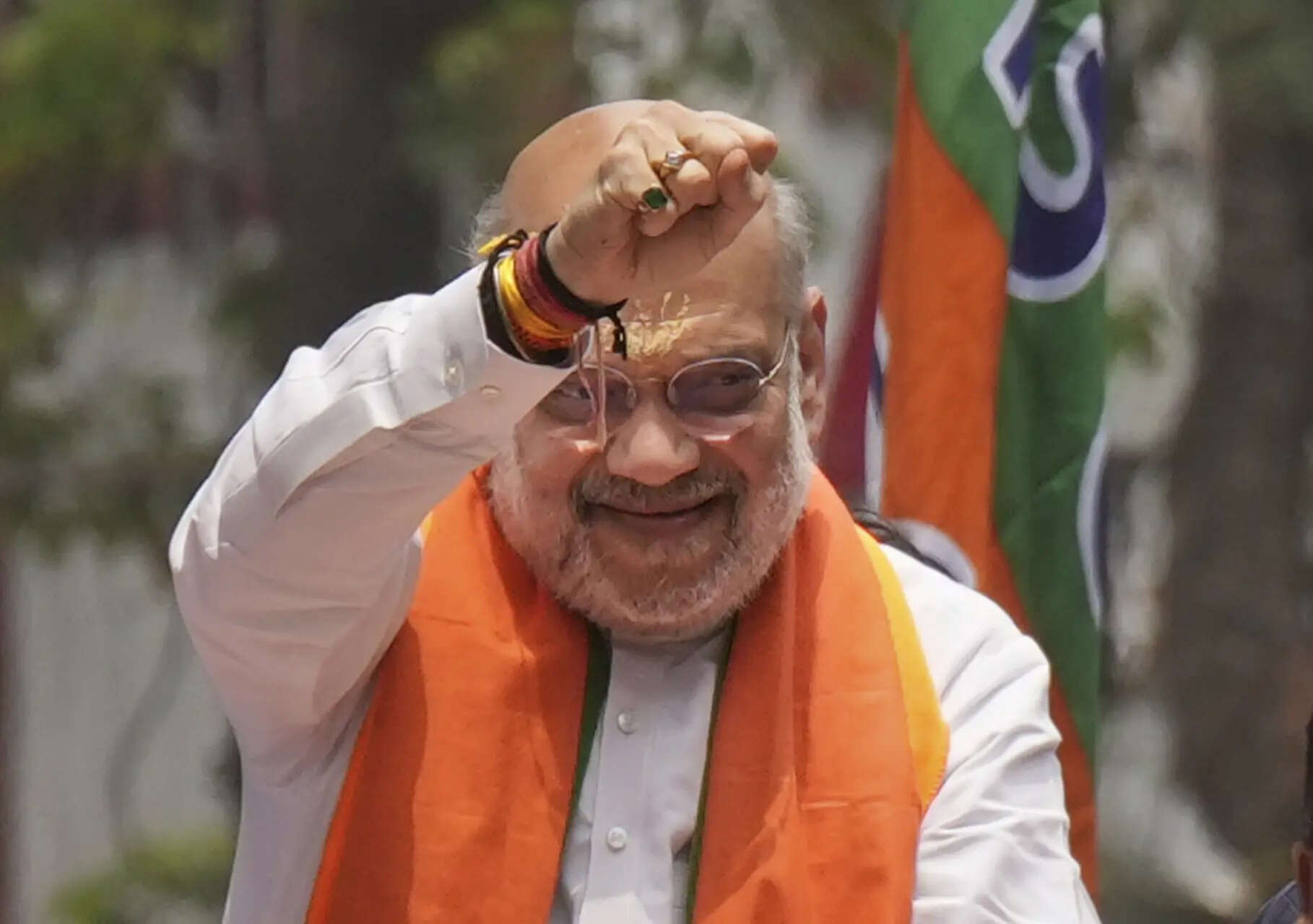
Union Home Minister Amit Shah has called on the people of West Bengal to cast their votes without any fear in the ongoing elections. During a recent public meeting, he assured citizens that the central government is committed to their safety throughout the voting process. To ensure peace, he announced that central security forces will not leave the state immediately after the polls end. Instead, these forces will remain stationed in West Bengal for an additional 60 days to prevent any incidents of violence after the results are declared. This move is intended to build confidence among voters who have been worried about their safety during the election season.
Main Impact
The decision to keep central forces in the state for two months after the elections is a significant change in how security is handled. Usually, security teams move out shortly after the voting is over or once the results are announced. By extending their stay, the government aims to stop post-poll violence, which has been a major concern in West Bengal in previous years. This long-term presence is expected to discourage troublemakers and provide a sense of security to families who fear political retaliation. For the average voter, this means they can go to the polling booth knowing that the protection does not end the moment they drop their ballot in the box.
Key Details
What Happened
Amit Shah addressed a large gathering where he spoke about the importance of a fair and peaceful election. He pointed out that every citizen has the right to choose their leader without being threatened. He explained that the Home Ministry has worked closely with the Election Commission to plan this extended stay of the Central Armed Police Forces (CAPF). The Home Minister emphasized that the central government is aware of the history of tension in the region and is taking these extra steps to break the cycle of fear that often surrounds the election period.
Important Numbers and Facts
The most important figure mentioned was the 60-day extension for the central forces. This period starts after the final phase of voting is completed. Thousands of security personnel from various central agencies are already on the ground, and their mission has now been lengthened. The plan covers all districts of West Bengal, focusing heavily on areas that have seen trouble in the past. By keeping the boots on the ground for two full months, the government hopes to oversee the transition period until the new administration is fully settled and the situation on the streets remains calm.
Background and Context
West Bengal has a long history of intense political competition. While elections are a sign of a healthy democracy, the state has often seen clashes between different political groups. In the past, these fights did not always stop when the voting ended. Many people reported being targeted after the election results were made public. This led to a situation where some people were afraid to vote at all, fearing what might happen to them later. The central government and the Election Commission have been under pressure to find a way to stop this. The idea of keeping forces for 60 days is a direct response to these past events, aiming to prove that the law will be upheld even after the cameras and observers leave.
Public or Industry Reaction
The reaction to this announcement has been split along political lines. Supporters of the central government have welcomed the move, calling it a necessary step to protect human rights and democracy. They believe that only the presence of central teams can keep local goons in check. On the other hand, some local leaders and opposition parties have questioned the move. They argue that keeping central forces for so long might interfere with the state's own police powers. However, many common citizens have expressed a sense of relief, hoping that the extra security will allow them to live their daily lives without the threat of political harassment during the high-stakes election period.
What This Means Going Forward
This strategy could change how elections are managed in other parts of India as well. If the 60-day stay successfully prevents violence in West Bengal, the Election Commission might consider making this a standard rule for other sensitive areas. It also puts a spotlight on the role of state police versus central forces. Moving forward, the focus will be on how these forces interact with local communities and whether their presence truly leads to a more peaceful environment. The next few months will be a test for the local administration to see if they can maintain order once the central forces eventually depart after their 60-day term ends.
Final Take
Ensuring that every person can vote freely is the foundation of a strong country. The promise to keep security forces in West Bengal for 60 days after the polls shows a serious effort to tackle the problem of political fear. While the presence of armed guards is not a permanent fix for political tension, it serves as a vital shield for the public during a sensitive time. The success of this plan will be measured by the safety of the citizens and the lack of conflict in the weeks following the election results.
Frequently Asked Questions
Why are central forces staying for 60 days?
They are staying to prevent any violence that might happen after the election results are announced. This extra time helps keep the peace while the new government takes charge.
Who ordered the forces to stay longer?
The decision involves the Union Home Ministry in coordination with the Election Commission to ensure that the voting process and the period following it remain safe for all citizens.
Will this happen in every state?
Currently, this specific 60-day plan is focused on West Bengal due to its history of post-poll tension. Whether it happens in other states depends on the security needs of those specific regions.



