
Summary
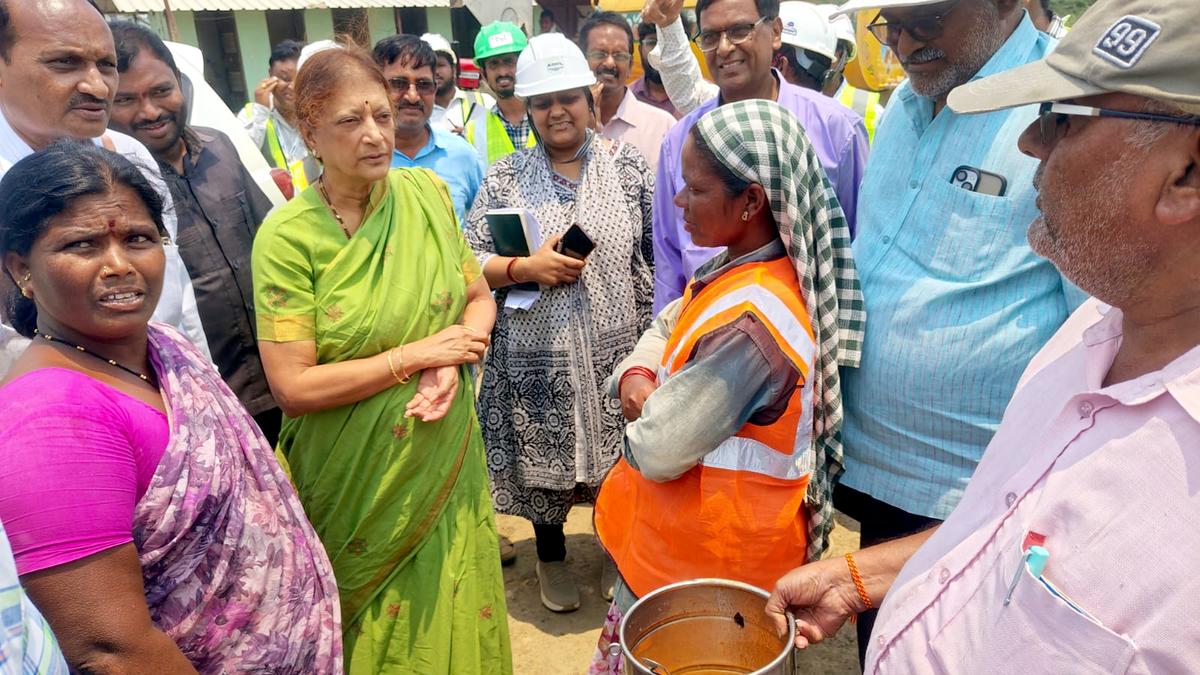
Lakshmi Parthasarathy, the head of the Amaravati Development Corporation (ADC), recently conducted a surprise inspection of labor camps at various construction sites. During her visit, she found that the living conditions for migrant workers were below acceptable standards. She has now ordered all building contractors to immediately improve the quality of food and housing provided to their staff. This move aims to protect the health and well-being of the thousands of people working to build the new capital city.
Main Impact
The primary impact of this directive is a shift toward better labor rights within the Amaravati project. By demanding higher standards for food and shelter, the ADC is holding private companies accountable for the welfare of their employees. This change is expected to improve the daily lives of migrant workers who have traveled from different states to work on these sites. Better living conditions often lead to a healthier workforce, which can reduce delays caused by illness and improve the overall quality of the construction work.
Key Details
What Happened
The ADC chief, Lakshmi Parthasarathy, accompanied by a team of senior officials, walked through several labor camps located near major construction zones in Amaravati. The goal was to see firsthand how the workers live after their shifts end. During the tour, the officials inspected the kitchens where meals are prepared, the sleeping quarters, and the sanitation facilities. Parthasarathy expressed strong disappointment after seeing the lack of basic needs. She noted that the food being served was not nutritious enough and that the housing units were overcrowded and lacked proper air flow.
Important Numbers and Facts
The Amaravati project involves thousands of migrant workers who live in temporary camps. During the inspection, officials pointed out that contractors are legally required to provide clean drinking water, safe electricity, and hygienic toilets. The ADC chief made it clear that these are not optional benefits but mandatory requirements. Contractors have been told that follow-up visits will happen soon to ensure that these changes have been made. Failure to comply could result in penalties or official warnings against the construction firms involved.
Background and Context
Amaravati is a massive urban development project that requires a huge amount of manual labor. Because the local workforce is not large enough to handle a project of this size, contractors bring in thousands of workers from other parts of the country. These migrant workers often live in temporary structures built specifically for the duration of the project. In many cases, these camps are hidden from public view, which can sometimes lead to contractors cutting costs on essential services like food and sanitation. The ADC is the government body responsible for overseeing the development of the city, and part of their job is to ensure that the work follows all safety and labor laws.
Public or Industry Reaction
The reaction to this news has been largely positive among labor rights groups. Many advocates have long argued that the people building the infrastructure of the future should not have to live in poor conditions. While some contractors have mentioned the rising costs of providing high-quality amenities, the ADC has remained firm. The general public has also shown support for the move, as there is a growing awareness that the success of the capital city depends on the fair treatment of its builders. Industry experts suggest that this focus on welfare will help attract more skilled workers to the region in the future.
What This Means Going Forward
Moving forward, contractors will need to set aside more resources for worker care. This includes hiring better catering services and improving the structural safety of the labor camps. The ADC is likely to create a more formal monitoring system to track these conditions regularly rather than relying only on occasional visits. For the workers, this means a safer and more comfortable environment, which is vital for their physical and mental health. If these standards are maintained, Amaravati could become a model for how large-scale construction projects should manage migrant labor.
Final Take
Ensuring that workers have a decent place to sleep and healthy food to eat is a basic human necessity. The ADC chief’s decision to confront contractors directly shows that the government is taking its oversight role seriously. By prioritizing the people behind the machines and blueprints, the project moves closer to its goal of being a modern and ethical development. The focus now remains on whether the contractors will follow through with these improvements quickly and effectively.
Frequently Asked Questions
Why did the ADC chief visit the labor camps?
The visit was intended to check if contractors were providing the basic living standards required by law for the migrant workers building Amaravati.
What were the main problems found during the inspection?
The officials found that the food quality was poor, the housing was overcrowded, and there was a general lack of basic amenities like clean water and proper sanitation.
What happens if contractors do not improve the conditions?
Contractors who fail to meet the required standards may face official penalties, fines, or other legal actions from the Amaravati Development Corporation.

