
Summary
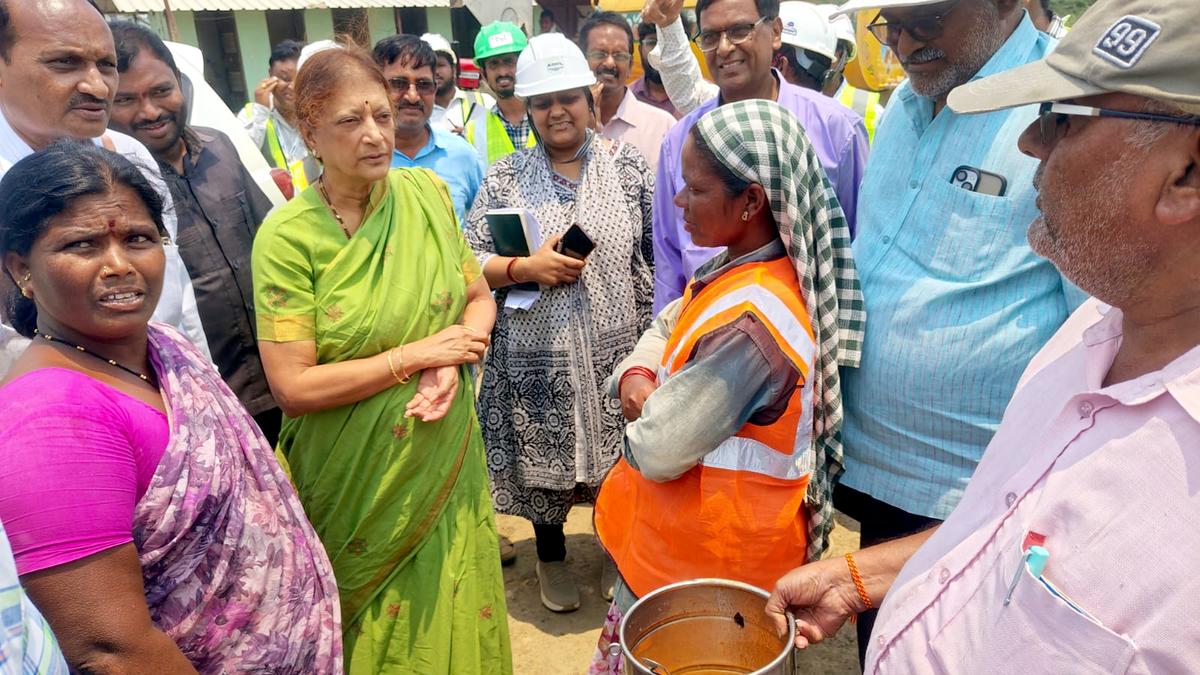
Lakshmi Parthasarathy, the Commissioner of the Andhra Pradesh Capital Region Development Authority (APCRDA), recently conducted a detailed inspection of the labor camps in Amaravati. During her visit, she found that many workers were living without basic necessities like electricity and clean drinking water. To fix this, she issued immediate orders to officials and contractors to provide these essential services. This action aims to improve the living conditions of the thousands of people working to build the state's new capital city.
Main Impact
The primary impact of this order is the immediate improvement in the quality of life for the construction workforce in Amaravati. By ensuring that workers have access to power and water, the government is protecting their health and well-being. This move is expected to boost the morale of the workers, which is vital for keeping the massive construction project on schedule. When workers are treated well and have their basic needs met, they are more likely to stay on the job and work efficiently, reducing the risk of labor shortages or delays.
Key Details
What Happened
Commissioner Lakshmi Parthasarathy visited several labor colonies where workers stay near the construction sites. She walked through the living quarters to see the conditions firsthand. She noticed that the temporary housing lacked proper lighting, making it difficult for workers after sunset. She also found that the water supply was not sufficient for the number of people living there. After seeing these gaps, she spoke with the site engineers and the companies in charge of the work. She made it clear that basic human needs must be met before any other work continues.
Important Numbers and Facts
The Amaravati project is one of the largest construction efforts in the country, requiring a workforce of several thousand people. Many of these workers come from different states and live in temporary camps for months at a time. The Commissioner’s inspection focused on ensuring that these camps follow safety and health rules. She directed that power lines be connected to the camps immediately and that water tankers or pipelines be set up to provide a steady supply of clean water. She also emphasized that sanitation facilities, such as toilets and waste disposal, must be maintained daily to prevent the spread of diseases.
Background and Context
Amaravati is being developed as the modern capital of Andhra Pradesh. The project involves building government offices, roads, houses, and public parks. After facing some delays in previous years, the work has now picked up speed. Because the project is so large, the government relies heavily on workers who move to the area specifically for these jobs. In many large-scale projects, the living conditions of workers can sometimes be overlooked in the rush to finish the buildings. However, the current administration is making an effort to show that the welfare of the people building the city is a top priority. Providing electricity and water is the first step in creating a safe environment for the labor force.
Public or Industry Reaction
The reaction to the Commissioner’s orders has been largely positive. Labor rights groups have praised the move, noting that it is often rare for high-ranking officials to inspect labor camps personally. They believe this sets a good example for other large projects across the country. Contractors and construction companies have also responded by starting the necessary work to install power and water systems. While this adds a small cost to the project, industry experts say it pays off by preventing strikes or health crises that could stop work entirely. Local residents have also noted that better-managed labor camps lead to a more organized and safer environment for the surrounding communities.
What This Means Going Forward
Moving forward, this inspection signals that the APCRDA will be much stricter about how contractors manage their workers. It is likely that more surprise visits will happen in the future to ensure that the improvements are permanent. The government may also introduce a formal set of rules for labor camps in the capital region, covering everything from room size to medical facilities. For the workers, this means a safer and more dignified place to live while they contribute to the state's growth. For the project itself, it means a more stable and reliable workforce, which is essential for meeting the ambitious deadlines set by the state government.
Final Take
Ensuring that the people building the future of the state have access to light and water is a fundamental responsibility. Commissioner Lakshmi Parthasarathy’s direct intervention shows that the government is paying attention to the small but vital details of the Amaravati project. By focusing on worker welfare, the authorities are building a stronger foundation for the city. A capital city should be built on the principles of care and fairness, starting with the very people who are laying the bricks and mortar.
Frequently Asked Questions
Who ordered the improvements at the Amaravati workers' camps?
Lakshmi Parthasarathy, the Commissioner of the Andhra Pradesh Capital Region Development Authority (APCRDA), ordered the improvements after a personal inspection.
What specific services were missing in the labor camps?
The inspection revealed that many labor camps lacked a steady supply of electricity and clean drinking water for the workers.
Why is this inspection important for the Amaravati project?
It is important because it ensures the health and safety of the workforce. Good living conditions help prevent delays and ensure that the construction of the capital city stays on track.

