
Summary
Dr. Kuncham Venkatasubba Reddy, the president of the Rashtriya Rythu Sangham (RRS), has officially called on the Karnataka government to stop its plans to increase the height of the Almatti dam. He has reached out to Prime Minister Narendra Modi through a formal letter and has also spoken with Karnataka’s Water Resources Minister, D.K. Shivakumar. The RRS leader is concerned that raising the dam will create severe water shortages for farmers in three different states. This move highlights the ongoing tension over water sharing in the region and the potential impact on the livelihoods of thousands of agricultural workers.
Main Impact
The primary impact of increasing the height of the Almatti dam is the change in how water flows down the Krishna River. If the dam is made higher, Karnataka will be able to store a much larger amount of water. While this helps local irrigation in Karnataka, it significantly reduces the amount of water that reaches the states of Andhra Pradesh and Telangana. This change could lead to a crisis for farmers who rely on the river for their crops. Without enough water flowing downstream, many fields could go dry, leading to lower food production and financial loss for families who depend on farming.
Key Details
What Happened
Dr. Kuncham Venkatasubba Reddy took a stand against the proposed expansion of the Almatti dam project. He argued that the project should not move forward without considering the needs of all people living along the river. By writing to the Prime Minister, the RRS chief is looking for the central government to act as a neutral party. He also met with D.K. Shivakumar to explain the specific problems that farmers in neighboring states would face. The RRS believes that the current water sharing agreements must be respected to avoid a regional conflict over natural resources.
Important Numbers and Facts
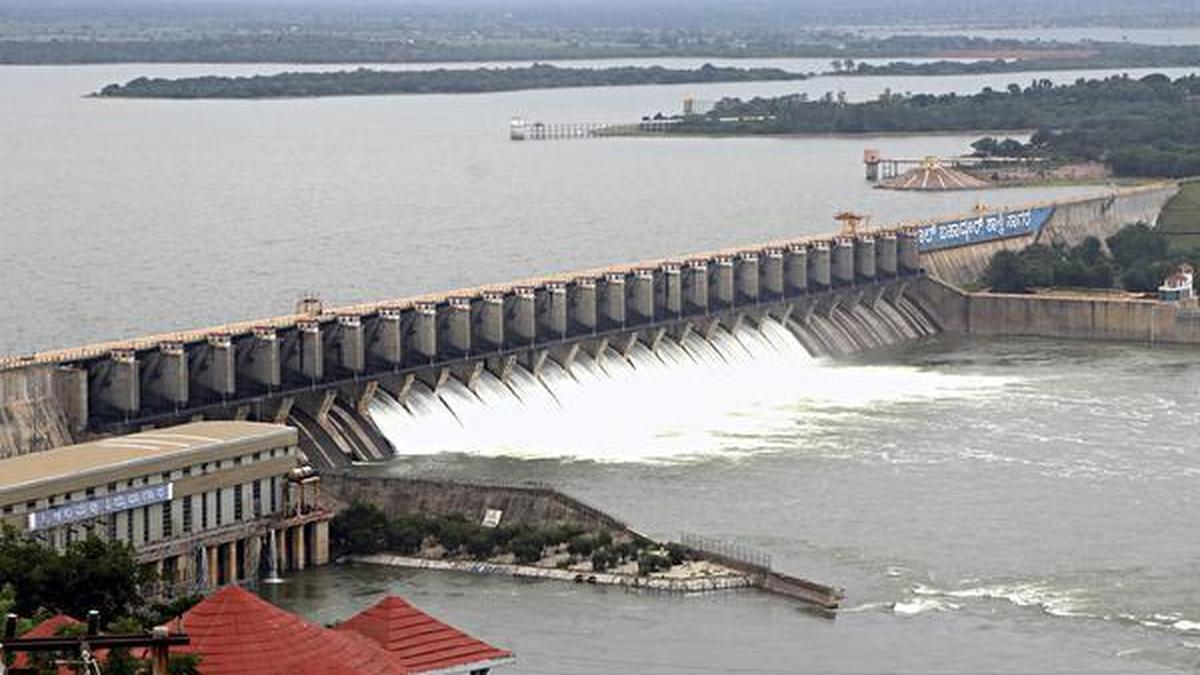
The Almatti dam is a major structure located in North Karnataka. The plan involves raising the height of the dam from its current level of 519.6 meters to 524.256 meters. While a few meters might not seem like much, it allows the reservoir to hold a massive amount of extra water. This extra storage is intended to support the Upper Krishna Project Stage III. However, the RRS points out that this could leave millions of acres of farmland in the lower Krishna basin without adequate irrigation during the dry seasons. The dispute involves three main states: Karnataka, Telangana, and Andhra Pradesh, all of which have different needs for the same river water.
Background and Context
The Krishna River is one of the longest rivers in India and is a lifeline for the Deccan plateau. For decades, the states through which it flows have argued over how much water each one should get. The Almatti dam was built to help with irrigation and to generate electricity. However, every time there is a proposal to make the dam bigger, it causes worry in the states located further down the river. These states fear that Karnataka will hold back water during times of drought, leaving them with nothing. The Krishna Water Disputes Tribunal was set up by the government to solve these issues, but disagreements often end up in the Supreme Court. The RRS chief’s intervention is the latest chapter in this long history of water rights battles.
Public or Industry Reaction
The reaction from the farming community has been one of deep concern. Many farmer unions in Andhra Pradesh and Telangana have praised the RRS for taking this step. They believe that the central government must ensure that no single state takes more than its fair share of water. On the other hand, some groups in Karnataka argue that the state needs the extra water to help its own dry regions. This has created a divide between the agricultural communities of the different states. Experts in water management have also weighed in, suggesting that instead of just building higher dams, the states should work together on better ways to save and use the water they already have.
What This Means Going Forward
The next steps will likely involve a response from the Prime Minister’s Office. If the central government decides to intervene, it could lead to new meetings between the chief ministers of the involved states. There is also a high chance that this issue will be discussed in the courts again. For the farmers, the uncertainty makes it hard to plan for future growing seasons. If the height of the dam is increased, the states downstream will have to find new ways to manage their water or invest in expensive new projects to store water elsewhere. The situation remains tense as everyone waits to see if Karnataka will pause the project or move ahead with its plans.
Final Take
Water is a shared resource that does not belong to just one state or group. The protest by the RRS chief serves as a reminder that big engineering projects can have huge consequences for people living hundreds of miles away. A fair solution must be found that protects the rights of all farmers, regardless of which state they live in. Cooperation and clear communication between the state governments are the only ways to ensure that the Krishna River continues to support everyone who depends on it.
Frequently Asked Questions
Why is the height of the Almatti dam being increased?
The Karnataka government wants to increase the height to store more water for irrigation in its northern districts and to produce more hydroelectric power as part of the Upper Krishna Project.
Which states are affected by this decision?
The three main states affected are Karnataka, Andhra Pradesh, and Telangana. The latter two are concerned that they will receive less water if Karnataka stores more at the Almatti dam.
What is the role of the RRS in this issue?
The Rashtriya Rythu Sangham (RRS) is a farmers' organization. Its president, Dr. Kuncham Venkatasubba Reddy, is advocating for the rights of farmers across state lines and asking the central government to stop the height increase to prevent water shortages.

