
Summary
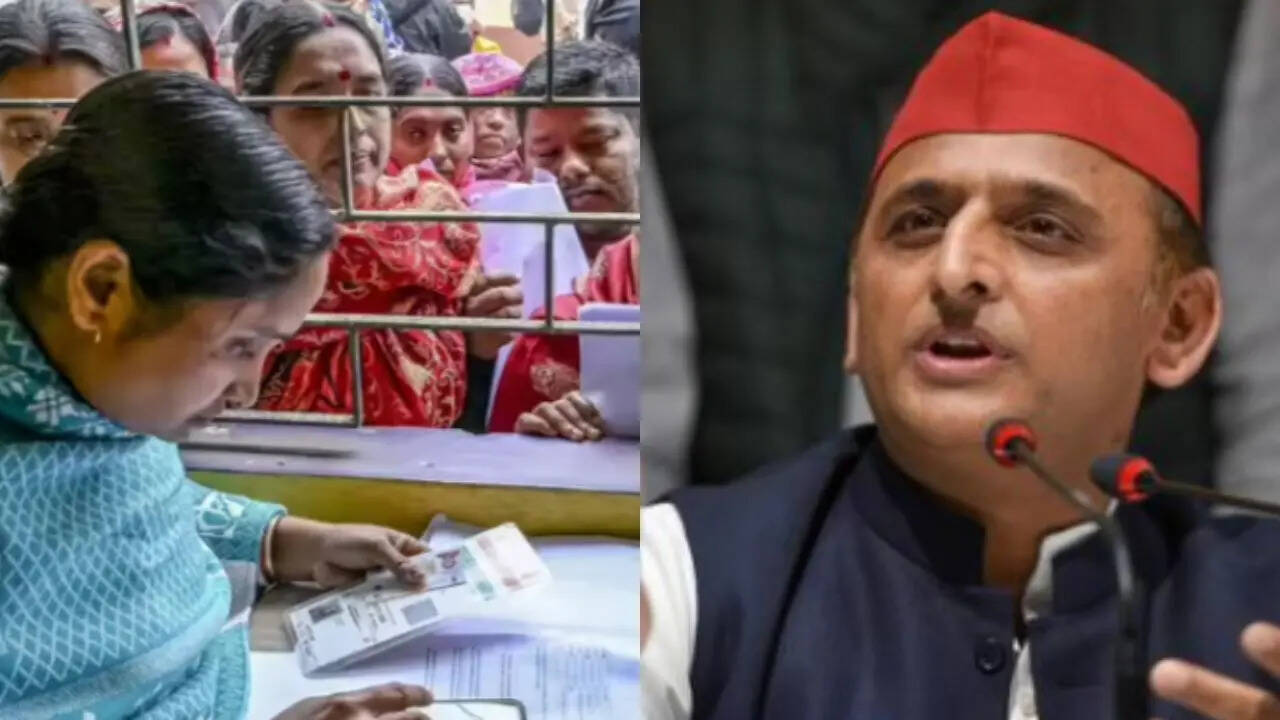
Samajwadi Party leader Akhilesh Yadav has raised serious concerns about the fairness of the upcoming bypolls in Uttar Pradesh. He accused the ruling Bharatiya Janata Party (BJP) of using the Election Commission to influence the election process. These comments came shortly after the state released its final updated voter list, which shows a massive increase in the number of registered voters. Yadav argues that the BJP relies on government institutions to win when they cannot succeed on real public issues.
Main Impact
The accusations from the opposition leader highlight a growing lack of trust between major political parties and the agencies that run elections. This tension could affect how voters view the legitimacy of the upcoming bypolls. With over 8.4 million new names added to the voter rolls, the political map of Uttar Pradesh is changing. The way these new voters are managed and how the Election Commission responds to these claims will be critical for the state's democratic health.
Key Details
What Happened
Akhilesh Yadav, the former Chief Minister of Uttar Pradesh, spoke to the media about his concerns regarding the electoral process. He claimed that the BJP is "hiding behind institutions" because they are afraid of losing. According to Yadav, the ruling party uses its power to control the Election Commission whenever they face pressure from the public on topics like unemployment, inflation, and local development. He suggested that the administrative machinery is being used to favor the ruling party in the upcoming bypolls.
At the same time, the Chief Electoral Officer (CEO) of Uttar Pradesh announced the completion of the Special Interactive Revision (SIR) of the voter list. This is a routine but vital process where the government updates the list of people who are allowed to vote. The CEO stated that the process was done fairly and that all political parties were given a chance to participate and raise objections.
Important Numbers and Facts
The newly released voter list shows a significant jump in the number of people eligible to vote in Uttar Pradesh. According to official reports, more than 84 lakh (8.4 million) new voters have been added to the registry. This update is part of the final SIR list, which is used to ensure that the election data is current. The government claims this increase shows a successful effort to reach out to young people and those who had moved to new areas. However, the opposition remains skeptical about how these lists are managed and whether certain groups of voters are being targeted or left out.
Background and Context
Uttar Pradesh is the most populous state in India and holds a huge amount of political power. Bypolls, which are elections held to fill a seat that has become vacant during a term, are often seen as a test of the current government's popularity. Because the stakes are so high, both the ruling party and the opposition watch the Election Commission very closely.
The Election Commission is supposed to be an independent body that makes sure every vote is counted fairly. In recent years, however, opposition parties across India have frequently accused the commission of being too close to the central government. Akhilesh Yadav’s latest comments are part of this larger trend of questioning whether government institutions can remain neutral during high-stakes political battles.
Public or Industry Reaction
The reaction to Yadav's statement has been divided. Supporters of the Samajwadi Party believe that the BJP is using every tool at its disposal to stay in power. They point to the voter list revision as a process that needs more transparency. On the other hand, BJP leaders have dismissed these claims, calling them an excuse for a potential defeat. They argue that the Election Commission is a professional body and that the increase in voters is a sign of a healthy democracy where more people are getting involved in the voting process.
Election experts note that adding 8.4 million voters is a massive administrative task. While it is normal for lists to grow, the speed and scale of the update often lead to questions from those who are not in power. The Chief Electoral Officer has tried to calm these fears by stating that the revision followed all legal steps and included input from various political groups.
What This Means Going Forward
As the bypolls approach, the focus will be on how the Election Commission handles the voting process on the ground. If there are any problems on election day, Yadav’s claims will likely gain more support. The large number of new voters also means that political parties will have to change their campaign strategies to reach these new citizens. The next few weeks will show if the Election Commission can prove its independence and if the new voter list leads to a fair and clear result.
Final Take
The clash between Akhilesh Yadav and the state authorities shows how deeply divided the political climate in Uttar Pradesh has become. While the government celebrates a larger voter base, the opposition sees a system that is being manipulated. For the average voter, the most important thing is that the election remains free and fair. The upcoming bypolls will be a major test for the institutions involved and will set the tone for future elections in the state.
Frequently Asked Questions
What did Akhilesh Yadav accuse the BJP of doing?
He accused the BJP of using the Election Commission and other government institutions to gain an unfair advantage in the Uttar Pradesh bypolls because they cannot win on real issues.
How many new voters were added to the UP voter list?
According to the final SIR list released by the Chief Electoral Officer, over 84 lakh (8.4 million) new voters have been added to the state's registry.
What is a bypoll?
A bypoll is a special election held to fill a political office that has become vacant before the regular election time, usually due to the death or resignation of the person holding the seat.



