
Summary
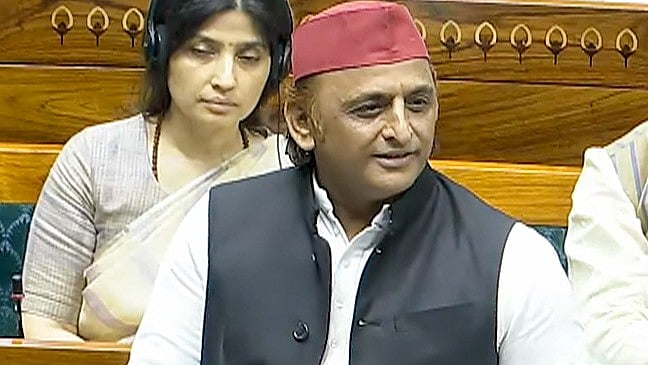
Akhilesh Yadav, the leader of the Samajwadi Party (SP), has raised serious questions about the central government's rush to pass the Women’s Reservation Bill. While he stated that his party supports giving women more power in politics, he expressed worry that the current plan might leave out women from backward and marginalized communities. Yadav is calling for a national caste-based census to be finished before the new rules are put into place to ensure fairness for all groups.
Main Impact
The primary impact of this development is a growing debate over how women’s seats should be divided. By demanding a "quota within a quota," the Samajwadi Party is pushing for specific spots to be saved for Dalit, tribal, and other backward-class women. This move could slow down the implementation of the bill as the government faces pressure to address these social concerns. It also highlights a deep divide between the ruling party and the opposition regarding how to count and represent India’s diverse population.
Key Details
What Happened
During a special session of Parliament, Akhilesh Yadav criticized the government for trying to pass three major bills very quickly. These bills focus on women’s reservation, changes to the Constitution, and "delimitation," which is the process of redrawing the boundaries of voting areas. Yadav claimed that the government is using these bills as a political tool to win the next election rather than truly trying to help women. He argued that the current framework is a "secret plan" that could weaken the political power of backward societies.
Important Numbers and Facts
Yadav pointed out that the Bharatiya Janata Party (BJP) is currently in power in 21 states and Union Territories. He asked how many of those states are actually led by women, suggesting that the party’s actions do not match its words. He also raised concerns about the future of Uttar Pradesh, where the number of assembly seats is expected to change significantly after the next seat-redrawing process. The SP chief insisted that a nationwide census is the only way to make sure the reservation is done correctly and fairly.
Background and Context
The Women’s Reservation Bill is a proposed law that aims to reserve 33% of seats in the Lok Sabha and state assemblies for women. This idea has been discussed for many years but has faced delays. One of the biggest hurdles is the "delimitation" process. Delimitation means changing the limits or boundaries of where people vote based on the latest population data. Many leaders from northern and southern India are worried that this process will change the balance of power in Parliament. In simple terms, if one state’s population grows faster than another, it might get more seats, which some feel is unfair to states that have worked hard to control their population growth.
Public or Industry Reaction
The reaction to Yadav’s comments has been mixed. Supporters of the Samajwadi Party agree that a caste census is necessary to protect the interests of the poor and marginalized. They believe that without a specific count, the benefits of the reservation will only go to women from wealthy or high-caste families. On the other hand, some political experts believe that adding more conditions to the bill will only delay it further. Other opposition leaders, such as MK Stalin from Tamil Nadu, have also protested against the government’s plans, showing that many regional parties are united in their fear of how the new voting boundaries will be drawn.
What This Means Going Forward
Looking ahead, the government will have to decide if it will listen to the demands for a caste-based census. If they ignore these requests, they may face more protests and legal challenges. The process of redrawing voting seats is also a major risk. If people feel the new boundaries are drawn to help one specific party, it could lead to a loss of trust in the democratic system. For the Samajwadi Party, this issue will likely be a major part of their campaign in the next election, as they try to show they are the true defenders of backward and marginalized communities.
Final Take
True progress in politics requires more than just passing a law; it requires making sure that the law works for everyone. While the goal of giving women more seats in government is widely supported, the concerns raised by Akhilesh Yadav show that the path to equality is complicated. Ensuring that women from all backgrounds—especially those who have been historically left out—have a seat at the table is essential for a healthy democracy. The coming months will reveal whether the government is willing to make the changes needed to gain broad support for this historic move.
Frequently Asked Questions
What is a caste-based census?
A caste-based census is an official count of the population that also records which caste or social group each person belongs to. This data is used to help the government create better policies for groups that need extra support.
Why is the Samajwadi Party worried about the Women’s Reservation Bill?
The party is worried that the bill does not have specific quotas for women from backward and marginalized backgrounds. They fear that without these sub-quotas, only women from privileged groups will get the reserved seats.
What does "delimitation" mean in simple terms?
Delimitation is the process of redrawing the boundaries of areas where people vote. This is done to make sure each representative in government stands for a similar number of people as the population grows or moves.

