Summary
A new trend on social media is making waves as AI-generated male models, often called "thirst traps," gain massive followings. These digital characters look like real men with perfect features, but they are entirely made by computer programs. A recent red carpet event brought the creators of these accounts into the public eye, sparking a debate about what is real online. While some critics find the trend strange, the creators argue that their work is a misunderstood form of digital art that fans truly enjoy.
Main Impact
The rise of AI influencers is changing how people use social media. It shows that many users do not care if a person is real as long as the content is attractive or entertaining. This shift is creating a new market where digital characters compete with human models for attention and money. It also raises questions about how we connect with others online and whether the "perfect" bodies shown by AI will make real people feel worse about themselves.
Key Details
What Happened
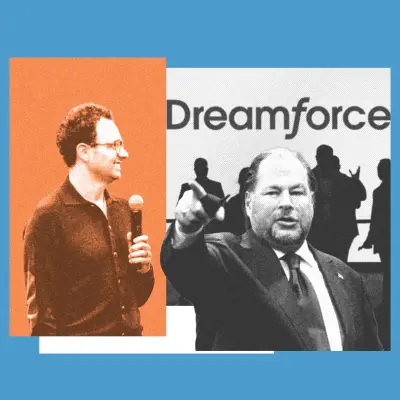
The conversation around AI models grew louder after a viral moment at a major event. A group of creators who run popular Instagram accounts featuring AI-generated men appeared in person. This moment highlighted the gap between the digital fantasy and the human reality behind the screen. Many followers who comment on these photos with heart emojis and compliments are fully aware that the men are not real, yet they continue to interact with them daily.
Important Numbers and Facts
Some of these AI accounts have grown to hundreds of thousands of followers in just a few months. Unlike human influencers, these digital models can "post" from any location in the world at any time without travel costs. The creators use advanced software to ensure the skin, hair, and muscles look as lifelike as possible. In many cases, the engagement rates on these AI posts are higher than those of real-life celebrities, showing a deep level of interest from the public.
Background and Context
For a long time, AI influencers were mostly female characters. However, there is now a huge increase in male AI models designed to appeal to specific audiences. These creators use tools that turn text descriptions into high-quality images. They spend hours refining the look of their characters to make them look like the "perfect" man. This trend follows the growth of digital art and virtual reality, where people spend more of their time in worlds that are not physical.
The creators say they are not trying to trick anyone. Most of these accounts state in their bio that they are "AI-powered" or "digital creations." Despite this, the emotional connection fans feel is real. This is known as a parasocial relationship, where a person feels they know a public figure, even if that figure is a computer program.
Public or Industry Reaction
The reaction to these AI "thirst traps" is mixed. Many people in the fashion and modeling industry are worried that AI will take jobs away from real models. They argue that a computer can create a "perfect" look that no human can ever match, which sets unfair standards. On the other hand, some fans defend the creators. They see it as a form of storytelling or a digital hobby, similar to watching a movie or playing a video game with realistic characters.
Critics also point out the "uncanny valley" effect. This is the strange or uncomfortable feeling people get when something looks almost human but has small details that feel "off." However, as the technology gets better, this feeling is disappearing for many users.
What This Means Going Forward
As AI technology becomes easier to use, we will likely see thousands of these digital influencers. Social media platforms may soon require creators to use labels that clearly mark images as AI-generated to prevent confusion. For businesses, AI models offer a cheap way to advertise products without the risks of working with real people, who might get into trouble or demand higher pay. For the average user, it means the line between what is a real photo and what is a digital drawing will continue to fade.
Final Take
The popularity of AI male models shows that social media is moving toward a future where fantasy is just as valuable as reality. While the creators feel misunderstood, they are actually at the front of a major change in digital culture. Whether we find it strange or exciting, the era of the digital human is here, and it is changing the way we look at beauty, fame, and connection.
Frequently Asked Questions
What is an AI thirst trap?
It is a social media account that posts attractive, computer-generated images of people to get likes and attention. These people do not exist in real life.
Do the followers know the models are not real?
Yes, most followers are aware that the models are AI-generated. Many accounts clearly label themselves as digital art, but fans still enjoy the images and interact with the posts.
Why do people create AI influencers?
Creators make them for several reasons, including artistic expression, building a large social media following, and making money through brand deals or fan subscriptions.