Summary
A 40-year-old man in South Korea faces up to five years in prison after using artificial intelligence to create a fake sighting of an escaped wolf. The wolf, a rare two-year-old named Neukgu, had fled from a zoo in Daejeon, leading to a massive search by local authorities. Officials say the man’s fake AI image caused a major distraction and wasted valuable time during a high-stakes investigation. This incident has sparked a serious conversation about the legal consequences of using AI to spread false information during public emergencies.
Main Impact
The primary impact of this event was the direct interference with a sensitive police and rescue operation. Because the wolf was part of a national effort to bring back a species that went extinct in the wild decades ago, its safe return was a matter of national importance. The fake image forced rescue teams to pivot their attention away from real leads, potentially putting the animal and the public in danger. This case serves as a warning that digital pranks involving AI can lead to severe criminal charges, especially when they obstruct government work.
Key Details
What Happened
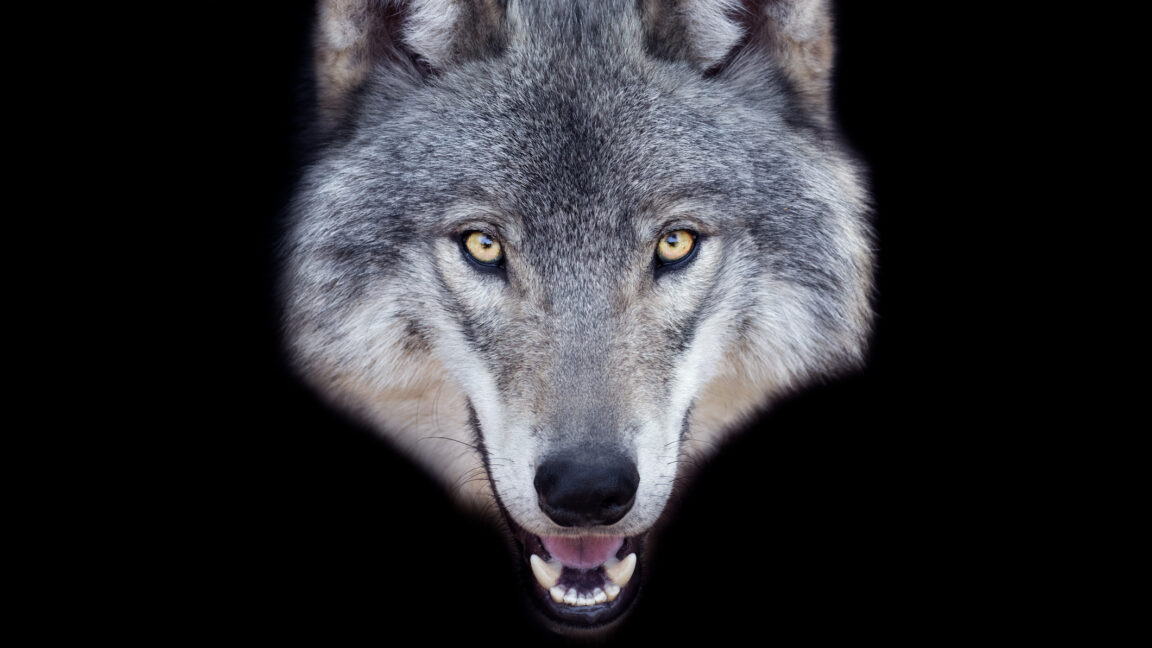
The situation began when Neukgu, a young wolf living at a zoo in Daejeon, managed to escape his enclosure by digging a hole underneath the fence. As soon as the escape was discovered, the city went into a state of high alert. While police and wildlife experts were searching for the animal, a 40-year-old man used an AI tool to generate a realistic photo of the wolf in a different location. He shared this image online, claiming it was a fresh sighting. Authorities quickly realized the photo was a fake, but only after resources had already been moved to investigate the claim.
Important Numbers and Facts
The wolf, Neukgu, is only two years old and represents the third generation of a special breeding program. The suspect involved is 40 years old and now faces a prison sentence of up to five years for his actions. The search for the wolf was not just a local matter; it involved the highest levels of government, including the president. The wolf is part of a project to replace a population that has been missing from the South Korean wilderness since the 1960s. Fortunately, despite the confusion caused by the fake photo, the wolf was eventually found and returned to the zoo safely.
Background and Context
To understand why this escape caused such a stir, it is important to know the history of wolves in South Korea. Native wolves were once common across the peninsula, but they completely disappeared from the wild in the 1960s. For many years, scientists and the government have worked hard to bring them back through careful breeding programs. Neukgu is a vital part of this history. Losing him would have been a major setback for the years of work put into reviving the species. Because the wolf was raised in a zoo, there were also fears that he would not know how to survive in the wild or might react poorly to humans, making his quick capture a top priority for public safety.
Public or Industry Reaction
The public reaction to the escape was a mix of fear and concern for the animal. Animal rights groups were very vocal, urging the government not to use lethal force to capture the wolf. They worried that the animal might be shot if he was seen as a threat. South Korean President Lee Jae Myung even stepped in, ordering rescue teams to make the wolf’s safety a priority. When news broke that a man had used AI to fake a sighting, the reaction turned to anger. Many people felt that the man’s actions were reckless and showed a lack of respect for the hard work of the rescue teams and the safety of the community.
What This Means Going Forward
This case highlights a new challenge for law enforcement in the age of artificial intelligence. As AI tools become easier to use, the risk of "digital interference" grows. Moving forward, authorities may need to develop better ways to verify images and videos in real-time during emergencies. For the public, this serves as a reminder that creating and sharing fake content is not just a harmless joke. If that content interferes with police work or public safety, the legal consequences are very real. Governments may also look into creating stricter laws specifically targeting the use of AI for spreading misinformation during crises.
Final Take
The safe return of Neukgu is a relief for conservationists, but the legal battle for the man who faked the sighting is just beginning. This story proves that while technology can be used for many good things, it can also be used to cause chaos. When AI is used to trick the police during a national emergency, the person responsible must be held accountable. Public safety and the protection of rare species are too important to be compromised by a digital prank.
Frequently Asked Questions
Why is the man facing five years in prison?
He is being charged with obstructing an urgent investigation. By using AI to create a fake sighting, he caused the police to waste time and resources that should have been used to find the real wolf.
What happened to the wolf?
The wolf, Neukgu, was eventually captured and returned to the zoo safely. Despite the confusion caused by the fake image, rescue teams were able to track him down without any harm coming to the animal or the public.
Why was this wolf so important to South Korea?
Neukgu is part of a long-term project to bring back the native wolf population, which has been extinct in the South Korean wild since the 1960s. He is a third-generation descendant of a special breeding line.