
Summary
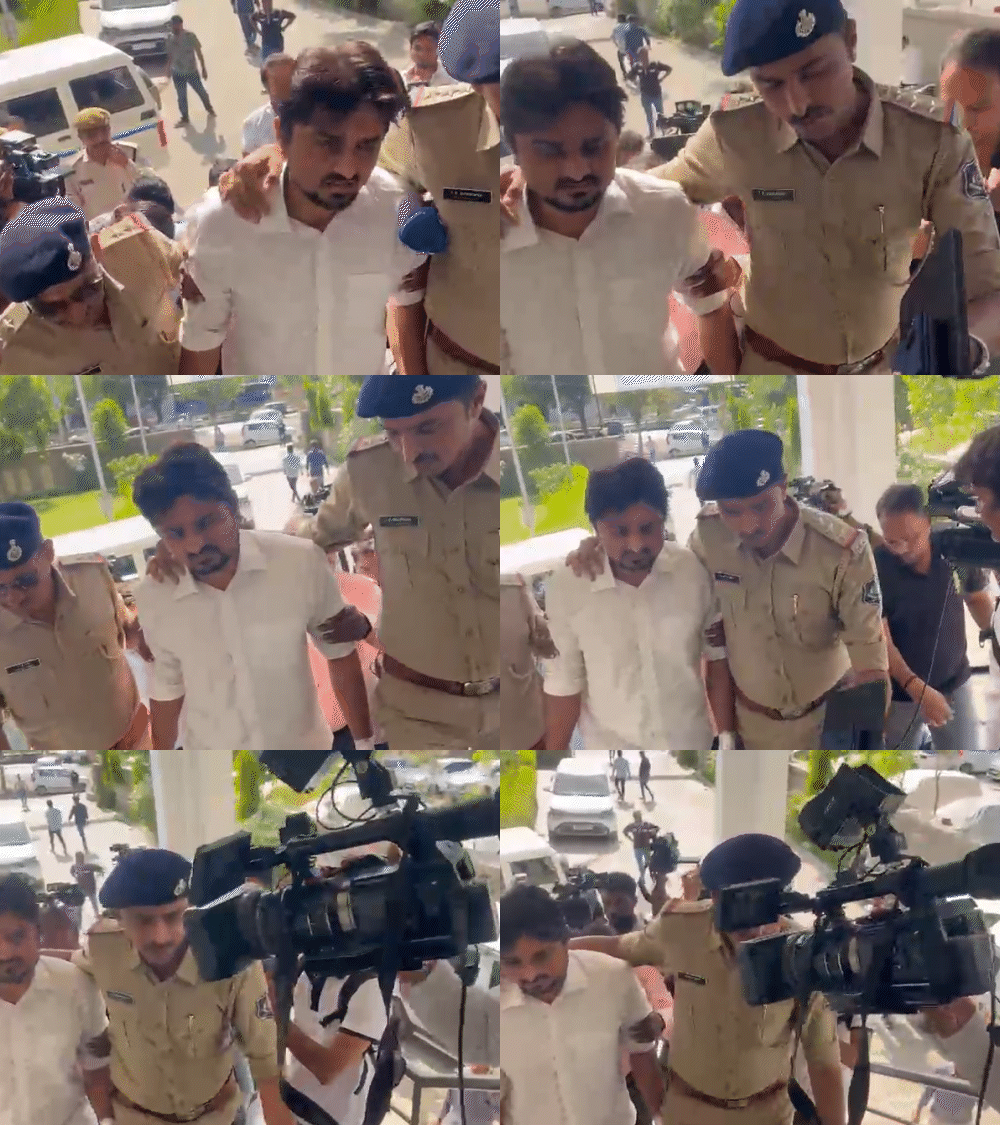
A tragic case in Ahmedabad involving the death of two young sisters has taken a serious turn. The girls, three-month-old Raha and four-year-old Mishri, died after the family reportedly ate dosas made from store-bought batter. While the family initially blamed the food, police investigations have uncovered toxic chemicals in the parents' blood. The father, Vimal Prajapati, has been discharged from the hospital and is now being questioned by the police as the investigation shifts toward potential foul play or accidental poisoning at home.
Main Impact
The investigation into the deaths of the two children has moved away from a simple food poisoning case. Police are now looking closely at the family's internal situation. The discovery of a toxic substance called aluminum phosphate in the parents' blood samples has changed the direction of the case. This chemical is often used as a pesticide for grain and is not something found in food. This development suggests that the children may not have died from bad batter, but from exposure to dangerous chemicals inside their own home.
Key Details
What Happened
The incident took place in the Maruti Plaza area of Chandkheda, Ahmedabad. Vimal Prajapati brought home dosa batter from a local dairy. After eating the meal, the entire family fell ill. The two young daughters died shortly after. Initially, it was believed that the batter from Ghanshyam Dairy was spoiled. However, when police checked with the dairy, they found that no other customers had reported any health issues. This led the police to look for other causes behind the tragedy.
Important Numbers and Facts
During the investigation, several key facts have come to light:
- Chemicals Found: Blood tests from the mother and father showed the presence of aluminum phosphate and zinc.
- The Pesticide: Vimal admitted to buying 10 packets of "Celphos," a chemical used to preserve wheat, on March 27, 2026. He claimed he used eight packets for their grain and had two left over.
- The Timeline: One daughter died on April 4. Her body was buried but later exhumed on April 7 for a forensic medical exam.
- Physical Evidence: Police seized several items from the home, including bedsheets, clothes, medicine bottles, and the utensils used to hold the dosa batter.
Background and Context
This case matters because it highlights the dangers of keeping toxic chemicals in the home and the complexities of police work in sudden death cases. At first, the public was worried about food safety at local dairies. However, as the police dug deeper, they found personal details that suggested other motives. For example, a diary found in the home revealed that the mother had been praying for a son. The family already had two daughters, which has led the police to look into whether there was any family pressure or unhappiness regarding the children.
Public or Industry Reaction
The local community was shocked by the sudden deaths of the two young girls. There was initial anger directed at the dairy shop. However, the dairy owner and employees cooperated fully with the police. They provided evidence that their batter was fresh and that many other people had consumed the same batch without getting sick. This evidence helped clear the dairy's name and focused the investigation back on the Prajapati household. Currently, the police are waiting for the final forensic reports to confirm exactly how the children died.
What This Means Going Forward
The father, Vimal, is currently under intense questioning at the Chandkheda police station. Reports indicate that his blood pressure has been rising during the interviews, making it difficult for officers to get a full statement. The police are now using CCTV footage to track Vimal’s movements on the day he bought the batter. They want to see if he stopped anywhere or if he added anything to the food before reaching home. The final viscera report will be the most important piece of evidence. It will tell the police if the children also had the same toxic chemicals in their systems as their parents.
Final Take
What started as a suspected case of food poisoning has turned into a complex criminal investigation. The presence of deadly pesticides in the parents' blood and the father's admission of buying those chemicals raise many questions. While the family grieves the loss of two children, the police must determine if this was a terrible accident or a deliberate act. The truth lies in the upcoming forensic results, which will finally explain what happened inside the Maruti Plaza home.
Frequently Asked Questions
What is aluminum phosphate?
It is a highly toxic chemical used mainly to protect stored grain from insects and rodents. It can be fatal if swallowed or inhaled in large amounts.
Why are the police suspicious of the family?
Police became suspicious because no other customers from the same dairy got sick. Also, the discovery of a toxic pesticide in the parents' blood and a diary about family preferences raised red flags.
What is the current status of the father?
Vimal Prajapati has been discharged from the hospital and is being questioned by the police. He has not been officially charged with a crime yet, as the police are waiting for more forensic evidence.



