Summary
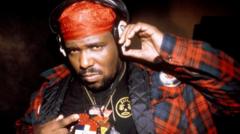
Afrika Bambaataa, a man often called the "grandfather" of hip-hop, has passed away at the age of 68. Born and raised in the Bronx, he was a central figure in the early days of the hip-hop movement during the 1970s and 1980s. He is best known for his massive hit song "Planet Rock," which changed the sound of music by mixing rap with electronic beats. His death marks a major loss for the music world, as he was one of the few people who helped turn a local New York street culture into a global phenomenon.
Main Impact
The impact of Afrika Bambaataa on modern music is hard to overstate. He was not just a rapper or a DJ; he was a visionary who saw how different styles of music could work together. By bringing electronic sounds into the world of hip-hop, he created a new style known as electro-funk. This sound did more than just influence rap; it laid the groundwork for house music, techno, and modern dance music. Beyond the music itself, he used his influence to promote peace in a city that was struggling with high levels of crime and gang activity.
Key Details
What Happened
The news of his passing at age 68 has sparked a wave of tributes from musicians and fans across the globe. Bambaataa was a pioneer who helped define what hip-hop actually was. In the early days, hip-hop was just starting to form in the parks and community centers of the Bronx. He was one of the three main figures, along with DJ Kool Herc and Grandmaster Flash, who are credited with starting the movement. He was known for his massive record collection and his ability to play songs from many different genres, which earned him the nickname "Master of Records."
Important Numbers and Facts
Bambaataa was born Kevin Donovan in 1957. His most famous work, "Planet Rock," was released in 1982. The song was a massive success and is still played in clubs and on the radio today. It was revolutionary because it used the Roland TR-808 drum machine, an instrument that would go on to define the sound of rap music for decades. He was also the founder of the Universal Zulu Nation, an organization that at one point had thousands of members worldwide. This group was built on the idea of "Peace, Love, Unity, and Having Fun," which became the unofficial motto of hip-hop culture.
Background and Context
To understand why Afrika Bambaataa was so important, you have to look at New York City in the 1970s. The Bronx was facing many challenges, including poverty and violence. Many young people were involved in street gangs. Bambaataa himself was a leader in a large gang called the Black Spades. However, after winning an essay contest and traveling to Africa, his view of the world changed. He changed his name to Afrika Bambaataa Aasim and decided to use music as a way to get young people out of gangs.
He began hosting "block parties" where he would play music and encourage people to dance instead of fight. He helped establish the "four pillars" of hip-hop: DJing, MCing (rapping), breaking (dancing), and graffiti art. By giving young people a creative outlet, he helped transform the energy of the streets into a cultural movement that eventually spread to every corner of the world.
Public or Industry Reaction
The music industry has reacted with deep respect for his career. Many famous rappers and producers have shared stories about how "Planet Rock" was the first song that made them want to make music. While his later years were complicated by serious personal allegations, his role as a musical architect remains a part of history. Fans have been posting videos of his old performances, remembering the energy he brought to the stage and his unique fashion sense, which often mixed African styles with futuristic, space-age themes.
What This Means Going Forward
The passing of such a foundational figure often leads to a period of reflection on the history of the genre. As hip-hop continues to be the most popular style of music in the world, the story of its birth in the Bronx becomes even more important. Educators and historians will likely continue to study Bambaataa’s work to understand how music can be used for social change. His use of technology, like the drum machine and synthesizers, will also remain a key topic for music students. The "electro" sound he helped create is still very much alive in today’s pop hits and electronic dance music.
Final Take
Afrika Bambaataa was a man who saw the potential for music to do more than just entertain. He saw it as a tool for peace and a way to bridge the gap between different cultures. While his life had its share of controversy, his musical legacy is undeniable. He took the sounds of the street and the sounds of the future and mashed them together to create something the world had never heard before. Without his work in the 1980s, the music we listen to today would sound very different.
Frequently Asked Questions
Who was Afrika Bambaataa?
He was a famous DJ and producer from the Bronx who is considered one of the founding fathers of hip-hop culture.
What is his most famous song?
His most famous song is "Planet Rock," released in 1982. It is known for its electronic beats and its influence on many types of music.
What was the Universal Zulu Nation?
It was an organization founded by Bambaataa to encourage young people to move away from gang violence and express themselves through hip-hop music and art.