
Summary
The Indian film industry is seeing a major shift in how it tells stories about the nation and its history. Director Aditya Dhar has sparked a massive conversation with his latest projects, known as the Dhurandhar duology. These films have moved beyond simple entertainment to focus on what experts call civilisational storytelling. While the movies have gained a huge following, they have also caused a strong, often negative reaction from certain critics, a trend now being called DhuranDHAR Derangement Syndrome. This situation highlights a changing era where Bollywood is learning to create powerful cultural myths that resonate deeply with the public.
Main Impact
The primary impact of this new style of filmmaking is the division it has created in the media and among moviegoers. For a long time, Bollywood was often criticized for making films that felt disconnected from Indian roots or focused only on westernized themes. Aditya Dhar’s work has changed that by putting Indian identity and historical pride at the center of the screen. This has led to a massive surge in audience engagement, but it has also triggered a backlash. Critics who disagree with the political or cultural tone of these films often react with extreme anger, which is why the term "derangement syndrome" is being used to describe the heated debate.
Key Details
What Happened
Aditya Dhar, the filmmaker who became famous for the movie "Uri: The Surgical Strike," has released a two-part series that focuses on grand historical and cultural themes. These films are designed to be more than just action movies; they are meant to build a sense of national pride. The term "DhuranDHAR Derangement Syndrome" started appearing in news discussions to describe people who seem unable to look at the films objectively. Instead of talking about the acting or the camera work, the conversation often turns into a fight about politics and ideology.
Important Numbers and Facts
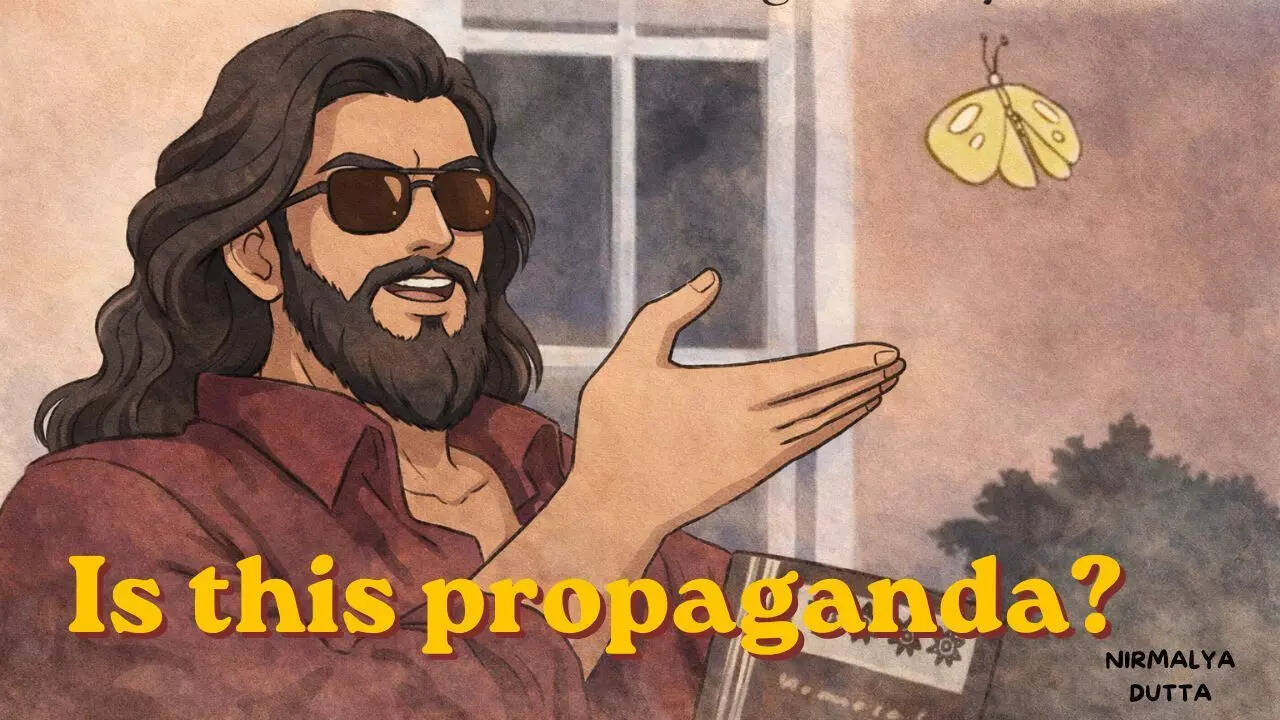
The Dhurandhar projects represent some of the most expensive and technically advanced films made in India recently. Since the release of Dhar's previous work, there has been a 40% increase in the number of big-budget films focusing on national history. Data shows that movies with these themes often perform better at the box office in smaller cities compared to traditional romantic comedies. The term "agitprop," which means political propaganda, has been used by critics to describe these films, while supporters argue that the movies are simply telling the truth about India’s past.
Background and Context
To understand why these films are so controversial, it is important to look at the history of Indian cinema. For decades, Bollywood followed a specific formula of songs, dance, and family drama. However, in the last few years, there has been a growing demand for stories that feel more "Indian." This shift is part of a larger global trend where audiences want to see their own culture and history celebrated on the big screen. Aditya Dhar has tapped into this feeling by using modern filmmaking techniques to tell stories that feel ancient and important. This is what many call "myth-making," which is the art of creating stories that define a culture's values and heroes.
Public or Industry Reaction
The reaction to the Dhurandhar duology has been split down the middle. On one side, many viewers feel that Bollywood is finally making movies that respect Indian traditions and history. They see Dhar as a visionary who is not afraid to show national strength. On the other side, some film critics and social commentators worry that these movies are too focused on nationalism. They argue that the films simplify complex history to make a political point. This clash has turned film reviews into social debates, with both sides using social media to defend their views. The industry itself is watching closely, as the financial success of these films is encouraging other directors to follow a similar path.
What This Means Going Forward
Moving forward, we can expect to see many more films that focus on "civilisational" themes. The success of the Dhurandhar series proves that there is a massive market for movies that combine high-quality action with nationalistic pride. However, this also means that the film industry will likely become more political. Directors will have to decide if they want to make movies that appeal to everyone or movies that take a strong stand on cultural issues. The "derangement syndrome" seen today suggests that any film dealing with India's identity will be met with intense scrutiny and passion from all sides of the political spectrum.
Final Take
Bollywood is no longer just a place for lighthearted musicals; it has become a space for serious cultural storytelling. Aditya Dhar has shown that by embracing national myths, a filmmaker can capture the imagination of millions. While the debates surrounding these films can be loud and angry, they show that cinema still has the power to make people think and feel deeply about who they are. The era of competent myth-making has arrived, and it is changing the face of Indian entertainment forever.
Frequently Asked Questions
What is DhuranDHAR Derangement Syndrome?
It is a term used to describe the extreme and often irrational negative reactions some critics have toward the films of director Aditya Dhar, usually due to the nationalistic themes in his work.
What does "civilisational storytelling" mean?
This refers to movies that tell stories about the long-term history, values, and cultural identity of a nation, rather than just focusing on individual or modern-day fictional plots.
Why are these films considered controversial?
They are controversial because they often blend history with national pride, leading some to praise them as patriotic and others to criticize them as political propaganda.



