
Summary
Twenty years after the 7/11 Mumbai train blasts killed 209 people and injured over 700, survivors and families of victims are still waiting for justice. The coordinated bombings on July 11, 2006, targeted local trains during evening rush hour. While seven men were convicted in 2015, many survivors say the full truth has not come out. They continue to struggle with physical and emotional scars, and many have changed their lives completely, including avoiding train travel altogether.
Main Impact
The 7/11 Mumbai blasts remain one of India's deadliest terrorist attacks. The bombs exploded in seven first-class compartments of local trains between 6:24 PM and 6:35 PM. The attack changed how millions of Mumbaikars think about safety. For survivors, the impact is personal and lasting. Many lost family members, their ability to work, or their sense of security. Two decades later, they say the legal process has not given them closure.
Key Details
What Happened
On July 11, 2006, seven bombs hidden in pressure cookers exploded on local trains in Mumbai. The bombs were placed in first-class compartments. The blasts happened within 11 minutes. The attacks targeted the city's lifeline – its suburban railway network. The bombs were set off by timers. No one claimed responsibility immediately, but investigations pointed to the banned group Lashkar-e-Taiba.
Important Numbers and Facts
209 people died. More than 700 were injured. Seven men were convicted in 2015. One of them, Ehtesham Siddiqui, was sentenced to death. The others got life sentences. The trial took nine years. The blasts happened on a Tuesday evening. Most victims were office workers returning home. The trains were packed with commuters.
Background and Context
Mumbai's local trains carry millions of people every day. They are the cheapest and fastest way to travel in the city. The 2006 blasts showed how vulnerable this system was. Before 2006, Mumbai had seen serial blasts in 1993 that killed 257 people. But the train blasts were different because they hit ordinary people during their daily commute. The attack also came just one year after the 2005 Mumbai floods, which had already shaken the city.
Public or Industry Reaction
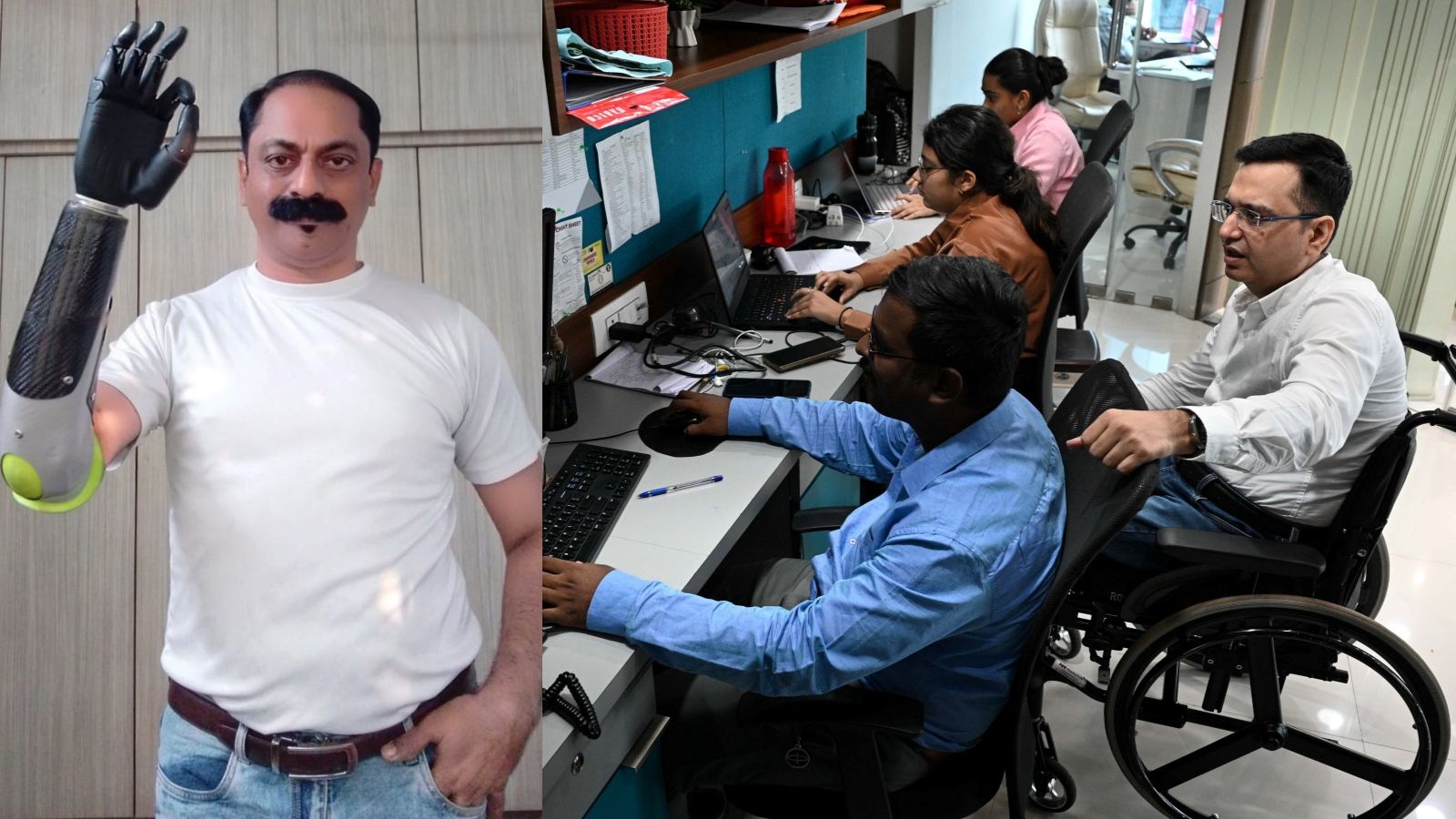
Survivors and families have spoken out over the years. Many say the government has not done enough to help them. Some survivors lost their jobs because of injuries. Others say they received little financial support. A few survivors told reporters they still feel scared in crowded places. One survivor said, "We don't travel by train anymore." The families of the victims have also demanded a faster trial and more compensation. Some activists say the case shows how slow the justice system can be for terror victims.
What This Means Going Forward
The 7/11 blasts changed security on Mumbai's trains. CCTV cameras were installed. Police patrols increased. But survivors say the real change should be in how victims are treated. They want better mental health support and faster compensation. The legal case is still not fully closed. Some accused are still at large. For the families, the wait for full justice continues. The attack also serves as a reminder that terrorism can strike anywhere, even in the most ordinary moments of daily life.
Final Take
Twenty years after the blasts, the survivors are not just waiting for justice. They are also living with the daily reality of what happened. Many have rebuilt their lives, but the scars remain. The 7/11 Mumbai blasts are a chapter in India's history that is not yet closed. For the families and survivors, the search for closure goes on.
Frequently Asked Questions
What were the 7/11 Mumbai train blasts?
On July 11, 2006, seven bombs exploded on local trains in Mumbai during evening rush hour. The blasts killed 209 people and injured over 700. The bombs were placed in first-class compartments and set off by timers.
Who was convicted for the 7/11 blasts?
Seven men were convicted in 2015. One of them, Ehtesham Siddiqui, was given the death penalty. The others received life sentences. The trial took nine years to complete.
How did the 7/11 blasts change Mumbai?
The blasts led to increased security on trains, including more CCTV cameras and police patrols. Many survivors and families say they still struggle with trauma and feel the justice system has not fully addressed their needs.



