
Summary
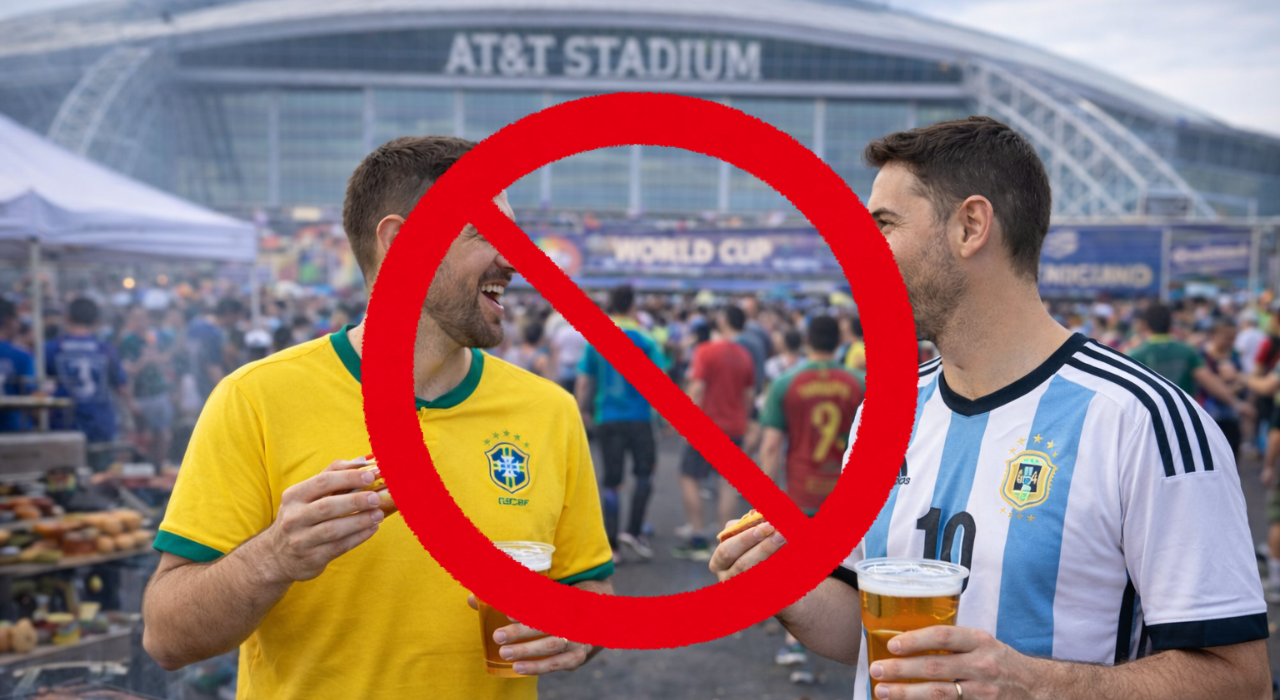
The 2026 World Cup is set to bring the world’s biggest soccer tournament to North America, but it may come at a cost to local traditions. FIFA is planning to restrict or ban traditional tailgating at several major stadiums across the United States. Instead of the classic parking lot parties fans are used to, they will be moved into official, controlled fan zones. This change, along with high travel costs and the remote location of many stadiums, is creating concerns about the overall fan experience.
Main Impact
The decision to limit tailgating hits at the heart of American sports culture. For decades, fans in the U.S. have gathered in stadium parking lots hours before a game to grill food, share drinks, and socialize. By replacing these organic gatherings with managed zones, FIFA is shifting the pre-match energy from a fan-led celebration to a corporate-controlled environment. This move could make the matchday experience feel less authentic for local supporters and more expensive for everyone involved.
Key Details
What Happened
FIFA has started outlining its plans for the 2026 tournament, which will be held in the U.S., Canada, and Mexico. A major part of these plans involves "Fan Festivals" and official hospitality areas. To make room for these and to follow strict security and sponsorship rules, many stadiums will not allow fans to set up their own tents or grills in the parking lots. This is a big change for venues like MetLife Stadium in New Jersey or AT&T Stadium in Texas, where tailgating is a standard part of every event.
Important Numbers and Facts
The 2026 World Cup will be the largest in history, featuring 48 teams and 104 matches. Most of the games in the U.S. will be played in NFL stadiums, which are designed to hold tens of thousands of cars. However, FIFA’s rules often require a "clean site," meaning only official partners can sell food or display signs near the venue. Additionally, transport costs in the U.S. are expected to be high, with many fans needing to rely on expensive ride-share services or limited public transit to reach suburban stadiums.
Background and Context
Tailgating is more than just eating in a parking lot; it is a way for fans to build community without spending a lot of money inside the stadium. In the U.S., stadium food and drinks are notoriously expensive. Tailgating allows families and groups of friends to enjoy a meal together at a lower cost. FIFA, on the other hand, operates on a global model where security and brand control are the top priorities. In past World Cups held in Europe or Brazil, fans usually gathered in city squares or public parks. Because many U.S. stadiums are located far from city centers and surrounded by nothing but concrete lots, the parking lot is the only place for fans to go.
Public or Industry Reaction
Many long-time sports fans and supporters' groups have expressed disappointment. They argue that FIFA is trying to force a "one-size-fits-all" model onto a country with its own unique way of enjoying sports. Critics say that by banning tailgating, FIFA is taking away the "soul" of the American matchday. On the other side, some city officials believe that official fan zones will be safer and easier to manage. They argue that these zones will provide a high-quality experience with big screens, live music, and better security, even if it means fans cannot bring their own grills.
What This Means Going Forward
As the tournament gets closer, host cities will have to decide how strictly they will follow FIFA’s suggestions. Some cities might try to find a middle ground by allowing "dry tailgating"—where fans can gather but not cook—while others may stick to the total ban. Fans traveling from overseas may not mind the change, as they are used to different pre-game traditions. However, for the millions of American fans attending, the lack of tailgating could lead to a quieter and more sterile atmosphere. It also means fans should prepare to spend more money on official food and entertainment once they arrive at the stadium gates.
Final Take
The 2026 World Cup will undoubtedly be a massive event, but the clash between FIFA’s corporate rules and American fan culture is clear. While the tournament will bring world-class soccer to the U.S., the loss of traditional tailgating marks a shift toward a more controlled and expensive way of watching sports. Whether the official fan zones can truly replace the energy of a crowded parking lot remains to be seen.
Frequently Asked Questions
Why is FIFA banning tailgating at the 2026 World Cup?
FIFA prefers controlled environments to ensure security and to protect the rights of their official sponsors. They want fans to use official "Fan Zones" where food and drinks are sold by approved partners.
Will all stadiums have these restrictions?
While FIFA sets the general rules, specific rules may vary slightly by city. However, most major venues are expected to follow FIFA’s lead and restrict traditional parking lot parties.
Can fans still gather before the games?
Yes, fans can still gather, but it will likely be in official fan festivals or designated areas rather than around their own cars with grills and coolers.

