
Summary
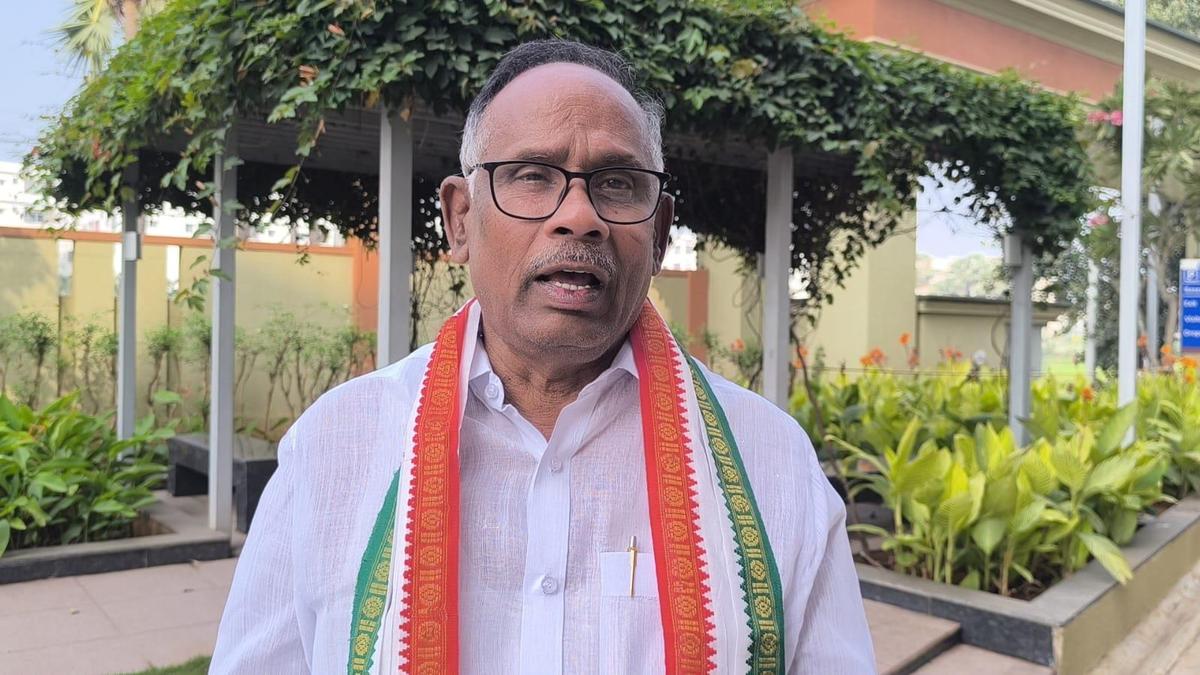
Kolanukonda Shivaji, a prominent Congress leader from Andhra Pradesh, has publicly voiced his opposition to the proposed Delimitation Bill of 2026. He argues that the new law will negatively affect southern states by reducing their political power in the national government. This move has sparked a debate about how seats in Parliament are shared among different regions of India based on their population size.
Main Impact
The biggest concern regarding the Delimitation Bill is the potential loss of representation for states like Andhra Pradesh, Telangana, Tamil Nadu, Kerala, and Karnataka. If the bill is implemented based strictly on current population numbers, states that successfully controlled their population growth will have fewer members in the Lok Sabha. This could lead to a situation where northern states, which have seen much higher population growth, hold a much larger share of power in making national laws and budgets.
Key Details
What Happened
Congress leader Kolanukonda Shivaji raised an alarm about the upcoming changes to the way voting districts are drawn. He believes that the 2026 Delimitation Bill is unfair to the people of the South. He pointed out that southern states followed the central government’s advice on family planning and population control for decades. Now, those same states might be punished for their success by losing their voice in the central government.
Important Numbers and Facts
The current distribution of seats in the Indian Parliament is largely based on the census data from 1971. A freeze was put on changing these seats to ensure that states did not feel pressured to increase their population just to gain more political power. This freeze is set to end in 2026. Experts suggest that if the seats are redrawn based on the latest population figures, the total number of seats in the Lok Sabha could rise significantly, but the majority of those new seats would go to northern states like Uttar Pradesh and Bihar.
Background and Context
Delimitation is the process of redrawing the boundaries of parliamentary or assembly seats to make sure each seat has roughly the same number of voters. While this sounds fair in a democracy, it creates a problem in a country as diverse as India. For many years, the southern states have invested heavily in education, healthcare, and women’s rights. These efforts led to lower birth rates and a more stable population. In contrast, some northern states have struggled to manage their population growth. If the government only looks at the number of people when deciding seats, the South will lose its influence despite its social and economic progress.
Public or Industry Reaction
The reaction from southern political leaders has been one of deep concern. Many leaders, including Shivaji, feel that this is not just a political issue but a matter of fairness. They argue that the South contributes a large portion of the country’s taxes and economic growth. If their political representation is cut, they fear their needs and concerns will be ignored by the central government. There is a growing demand for a system that balances population numbers with other factors, such as economic performance and social development markers.
What This Means Going Forward
The path toward 2026 will likely be filled with political tension. The central government will need to find a way to address the fears of the southern states while following the constitutional requirement for delimitation. If a middle ground is not found, it could lead to a sense of alienation in the South. Some suggest that the government should keep the number of seats for each state the same but redraw the boundaries within the states. Others believe a new formula is needed to reward states that have met national goals in health and education.
Final Take
The opposition from leaders like Kolanukonda Shivaji highlights a major challenge for India’s future. A fair democracy must ensure that every citizen’s vote has equal weight, but it must also ensure that states are not penalized for being responsible and progressive. The 2026 Delimitation Bill will be a major test of how India manages its regional diversity and maintains a balanced federal system where every part of the country feels heard and valued.
Frequently Asked Questions
What is the Delimitation Bill 2026?
It is a plan to redraw the boundaries of voting districts in India based on the most recent population data. This process is meant to ensure that each representative in Parliament stands for a similar number of people.
Why are southern states worried about this bill?
Southern states have controlled their population growth better than northern states. Because seats are given based on population, the South fears it will lose many seats in Parliament, giving them less power in national decisions.
When will the new boundaries be decided?
The current freeze on redrawing parliamentary seats ends in 2026. The government is expected to start the process after that year, likely using data from the next national census.

