
Summary
The Election Commission of India has officially announced the schedule for the 2026 Assembly elections in four states and one Union Territory. Voting is set to begin on April 9, with the final results being announced on May 4. These elections are highly anticipated as they will decide the future of state governments in Assam, Kerala, Tamil Nadu, West Bengal, and Puducherry. The announcement marks the start of a busy political season that involves millions of voters and thousands of polling stations across the country.
Main Impact
The most significant impact of this announcement is the start of a massive democratic exercise involving about 17.4 crore voters. This election cycle is unique because it follows a major update to the voter lists, which has already caused some political tension. In West Bengal, the election process has been shortened to just two phases, a big change from the eight phases seen in the last election. This decision could change how parties plan their campaigns and how security forces manage the voting process in the state.
Key Details
What Happened
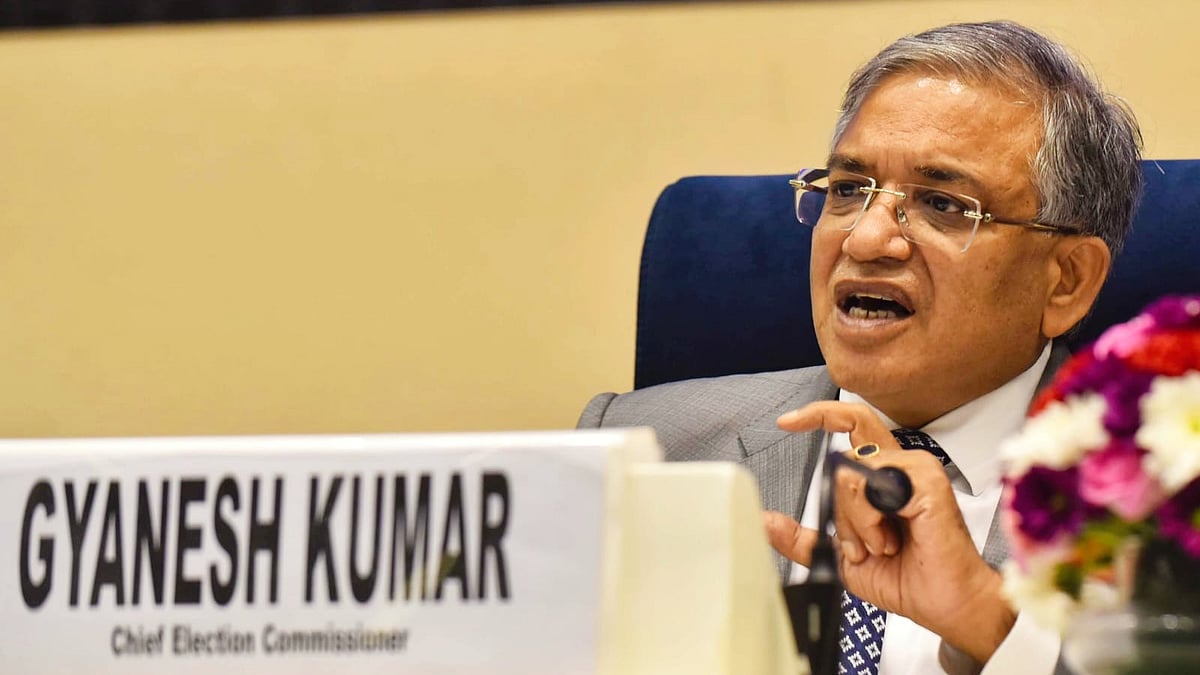
Chief Election Commissioner Gyanesh Kumar, along with commissioners Sukhbir Singh Sandhu and Vivek Joshi, held a press conference to share the election dates. They explained that the terms for the current governments in these five regions are ending in May and June. To ensure new governments are formed in time, the commission has set a timeline that spans most of April. The commission has set up over 2 lakh polling stations to make sure everyone has a place to vote safely and easily.
Important Numbers and Facts
The scale of these elections is very large. Here are the key figures and dates to remember:
- Total Voters: Approximately 17.4 crore people are eligible to vote.
- Constituencies: Elections will be held for 824 Assembly seats.
- Polling Stations: Around 2.18 lakh stations will be set up.
- Assam, Kerala, and Puducherry: Voting will happen in a single phase on April 9.
- Tamil Nadu: Voting will take place in a single phase on April 23.
- West Bengal: Voting will be split into two phases on April 23 and April 29.
- Counting Day: All votes will be counted, and results will be shared on May 4.
Background and Context
These elections are happening after a major project to clean up voter lists, known as the Special Intensive Revision (SIR). The Election Commission started this project in June 2025 across 11 states and three Union Territories. The goal was to remove duplicate names and update records because many people move to different cities or register in more than one place. During this process, voters had to show documents to prove they were eligible to vote. This was the first time such a deep review had been done since the early 2000s.
While the commission says this was necessary for fair elections, it has been a point of debate. In some states, the number of registered voters dropped significantly. For example, the total number of voters across several states decreased by nearly 19 crore names. Assam was the only state in this group not included in the review because its own national register of citizens is still being finalized.
Public or Industry Reaction
The political reaction to the election schedule and the voter list update has been very strong. Prime Minister Narendra Modi recently held a large rally in Kolkata to kick off the campaign. He criticized the current West Bengal government, claiming they were trying to protect people who should not be on the voter lists. He argued that the revision was necessary to keep the elections honest.
On the other side, opposition parties, led by the Trinamool Congress, are very unhappy. they have accused the Election Commission of being unfair during the voter list update. Some leaders have even tried to start a process in Parliament to remove the Chief Election Commissioner from his job. Many groups have also taken their concerns to the Supreme Court, asking judges to decide if the commission had the power to conduct such a large-scale review of the voter lists.
What This Means Going Forward
As the election dates approach, the focus will shift to the legal battles and the remaining voter list updates. In Uttar Pradesh, the final voter list is expected to be ready by April 10. The Election Commission also plans to start this review process in other parts of the country starting in April. This means the debate over who is allowed to vote will likely continue long after these five elections are over.
For the voters in the five regions going to the polls, the next few weeks will be filled with political rallies and campaign promises. The Supreme Court's decisions on the pending petitions will also be very important. If the court finds any issues with how the voter lists were handled, it could affect how future elections are organized in India.
Final Take
The upcoming elections are a major test for both the political parties and the Election Commission. With a shorter voting period in West Bengal and updated voter lists across the board, the process will be watched closely by everyone. These polls will not only decide who leads these five regions but will also show how the public feels about the recent changes to the voting system. The results on May 4 will provide a clear picture of the political mood in the country.
Frequently Asked Questions
When will the election results be announced?
The counting of votes for all four states and the Union Territory of Puducherry will take place on May 4, 2026.
Why is West Bengal voting in only two phases?
The Election Commission decided on a two-phase schedule for West Bengal this time, which is much shorter than the eight phases used in the 2021 elections. This is part of their plan to manage the election process efficiently.
What was the Special Intensive Revision (SIR)?
The SIR was a process to update and clean the voter lists. It involved checking documents to make sure voters were eligible and removing names of people who had moved or were registered in multiple places.

