
Summary
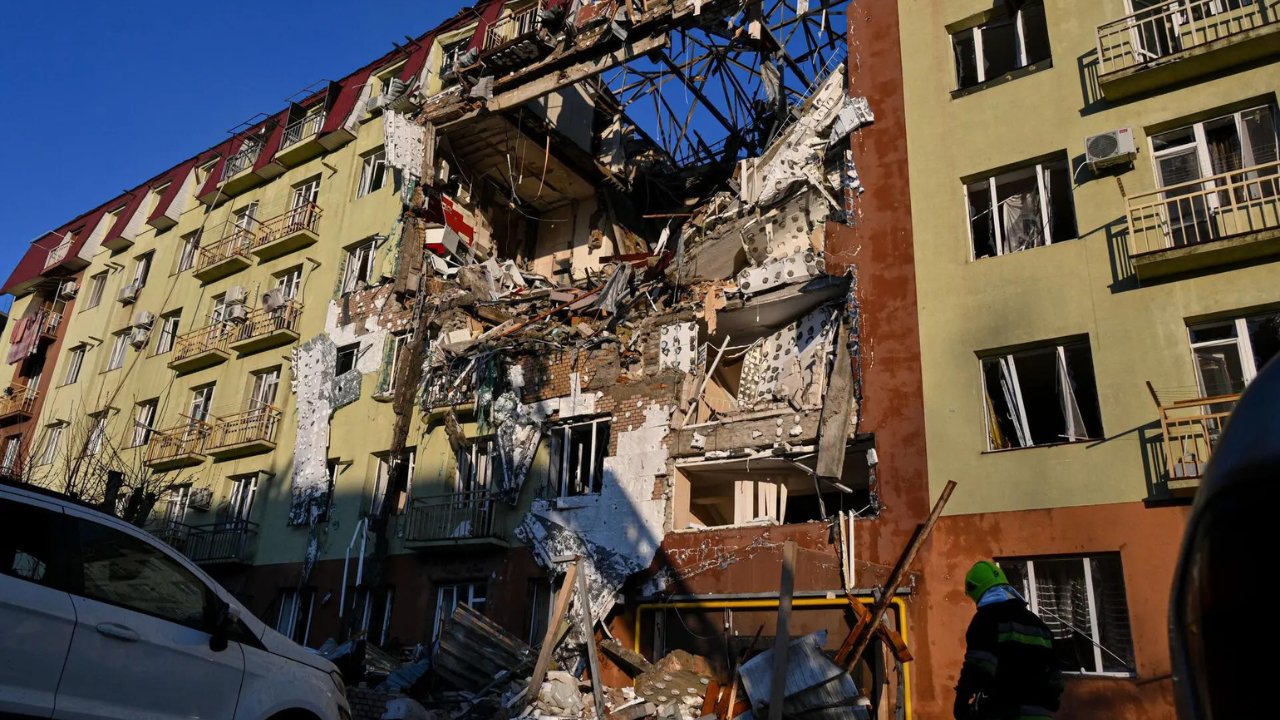
A recent wave of Russian drone strikes has hit the Ukrainian port city of Odesa, resulting in the deaths of two people and causing significant damage to local infrastructure. These attacks occurred at a sensitive time, just as discussions regarding a potential ceasefire for the Easter holiday were taking place. While Russian President Vladimir Putin has suggested a short pause in the fighting, the situation on the ground remains tense as both sides continue to report heavy drone activity and military interceptions. This latest violence highlights the ongoing difficulty of reaching even a temporary peace agreement in the region.
Main Impact
The primary impact of these strikes is the loss of civilian life and the continued disruption of daily life in Odesa. As a major hub for trade and shipping, any attack on Odesa has wide-reaching effects on Ukraine's ability to move goods and maintain its economy. The timing of the strike is also significant, as it casts a shadow over the proposed 32-hour ceasefire intended for the Easter period. For the residents of Odesa, the threat of air raids remains a constant reality, making it difficult to find any sense of safety or normalcy, even during a major religious holiday.
Key Details
What Happened
During the early hours, several drones were launched toward Odesa, a city known for its vital role in international grain exports. Ukrainian air defense teams worked to stop the incoming threats, but some drones managed to bypass the defenses and hit their targets. The explosions caused fires and structural damage to buildings in the area. At the same time, Russia reported that it had also intercepted a number of drones launched by Ukraine, suggesting that both sides are heavily relying on unmanned aircraft to conduct long-range attacks. The loss of two lives in Odesa has added to the growing toll of the conflict, even as political leaders talk about a temporary halt to the violence.
Important Numbers and Facts
The most critical figure from this event is the two confirmed deaths resulting from the drone hits. In terms of the diplomatic efforts, President Putin has called for a 32-hour ceasefire to allow citizens to observe Easter traditions. This proposed pause would represent a brief break in a conflict that has lasted for years. Additionally, officials from both nations have confirmed that they are in the middle of discussions regarding a prisoner exchange. These swaps are often seen as a rare sign of cooperation between the two warring sides, though they do not necessarily lead to a broader peace agreement.
Background and Context
Odesa has been a frequent target throughout the war because of its strategic location on the Black Sea. Controlling or disrupting Odesa allows an attacker to put pressure on Ukraine’s food exports and its overall economic health. Easter is a deeply important holiday in both Russia and Ukraine, as both countries have large populations that follow Orthodox Christian traditions. In the past, there have been calls for "holiday truces," but these are often difficult to enforce. Trust between the two sides is very low, and often one side views the other's offer of a ceasefire as a way to regroup or move military equipment rather than a sincere gesture of peace.
Public or Industry Reaction
The reaction from the Ukrainian government has been one of cautious skepticism. While they have stated a readiness for a genuine ceasefire, they have also expressed concerns that a short pause might be used as a tactical move by the Russian military. On the international stage, observers are watching closely to see if the 32-hour window will actually be respected. Human rights groups and families of soldiers are particularly focused on the prisoner exchange talks, hoping that more people can be returned home despite the ongoing strikes. The general public in Ukraine remains weary, as the promise of a ceasefire often feels hollow when drones are still falling on residential neighborhoods.
What This Means Going Forward
Looking ahead, the success or failure of the 32-hour ceasefire will be a major indicator of whether any future peace talks are possible. If the fighting stops completely during the Easter window, it could build a small amount of trust for future negotiations. However, if the strikes continue, it will likely lead to more intense fighting in the weeks to follow. The ongoing prisoner exchange talks are a separate but equally important track. If a large number of prisoners are traded, it shows that communication channels are still open. For the city of Odesa, the focus will remain on repairing damage and strengthening air defenses to prevent further loss of life from drone technology.
Final Take
The tragedy in Odesa serves as a reminder that war does not always stop for holidays or diplomatic proposals. While the talk of a ceasefire offers a glimmer of hope, the reality on the ground is defined by the sound of sirens and the impact of drones. True peace will require more than a 32-hour pause; it will require a level of trust and commitment that currently seems far out of reach for both sides. Until then, civilians in cities like Odesa continue to pay the highest price for the ongoing struggle.
Frequently Asked Questions
Why was Odesa targeted by drones?
Odesa is a key port city that is essential for Ukraine's economy and its ability to export grain. Attacking Odesa is a way to disrupt trade and put pressure on the country's resources.
What is the 32-hour ceasefire?
It is a proposal made by the Russian government to stop fighting for a short period so that people can celebrate the Easter holiday. Ukraine has expressed interest but remains cautious about the offer.
Are prisoner exchanges still happening?
Yes, both Russia and Ukraine have confirmed that they are currently discussing the details of a new prisoner exchange, which would allow captured soldiers to return to their home countries.

