Summary
The 1952 Assembly election in Tamil Nadu, then known as Madras State, was a landmark event in Indian history. It was the first time the state held elections under the system of universal adult suffrage, meaning every adult had the right to vote. While political parties released detailed manifestos filled with promises, the final results showed that these documents had limited influence on the voters. The election ended without a clear winner, forcing political leaders to find new ways to form a government beyond their written platforms.
Main Impact
The primary impact of the 1952 election was the realization that written manifestos do not always decide the outcome of a vote. Even though the Indian National Congress was the most famous party at the time, it failed to win a majority of seats. This showed that local issues, the personality of leaders, and social alliances were often more important to voters than official party documents. The election also marked the rise of the Communist Party of India (CPI) as a serious challenger to the Congress in the southern region.
Key Details
What Happened
During the 1951-52 election cycle, the political atmosphere in Madras State was tense. The Indian National Congress, led by national figures, expected to win easily because of its role in the independence movement. However, the Communist Party of India (CPI) ran a very strong campaign. The CPI focused on the struggles of poor farmers and workers, promising to take land from rich owners and give it to those who worked the soil. While the Congress talked about national stability and growth, many voters felt that the party had become disconnected from the daily struggles of the common person.
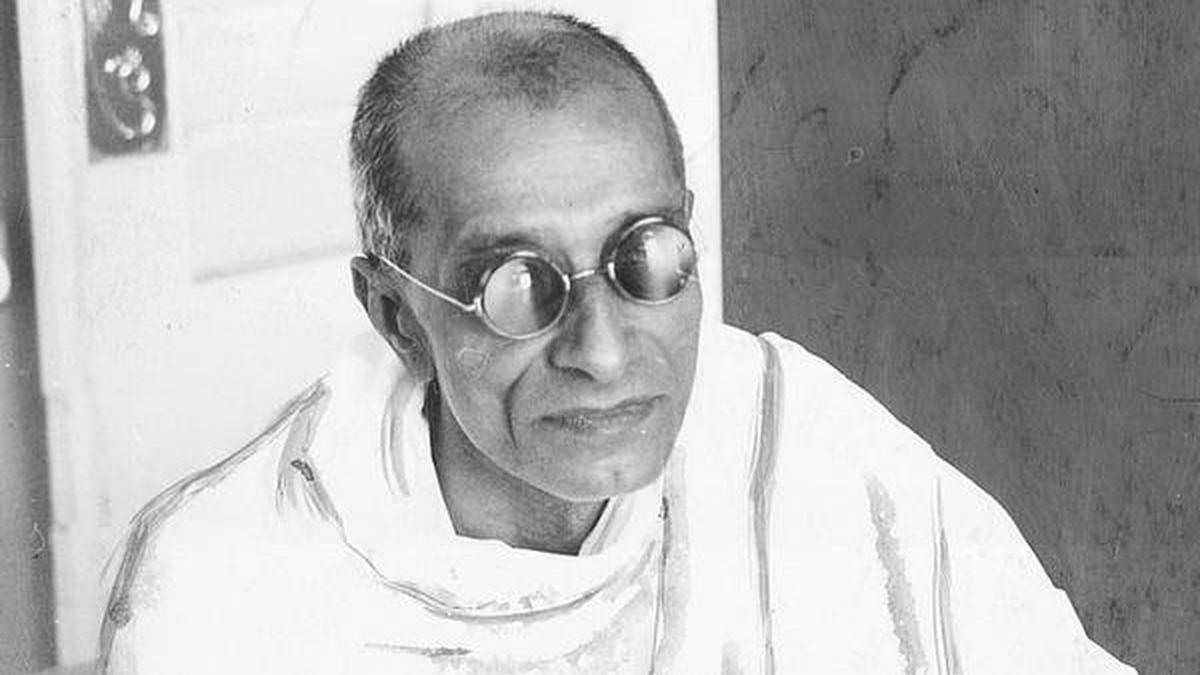
When the votes were counted, the Congress party found itself in a difficult position. It did not have enough seats to form a government on its own. This led to a period of political uncertainty where different groups tried to join together to take power. Eventually, C. Rajagopalachari, a veteran leader, was brought in to lead a coalition government, even though he had not even stood for election in the Assembly.
Important Numbers and Facts
The Madras Legislative Assembly at that time had 375 seats. To form a government, a party needed at least 188 seats. The Congress party managed to win only 152 seats, which was a major shock to its leaders. The Communist Party of India and its allies performed much better than expected, winning 62 seats. Other smaller parties and independent candidates won the remaining seats, making them the "kingmakers" in the process of forming a government. The voter turnout was also high, showing that the public was eager to use their new right to vote.
Background and Context
To understand why this election was so important, we must look at the state of India in the early 1950s. The country had recently become a Republic in 1950. Before this, only a small group of people—mostly those with property or high education—were allowed to vote. The 1952 election was the first time the "common man" had a direct say in who would lead the state. This change shifted the focus of politics from the elite to the masses.
At the same time, the state was facing many problems. There were food shortages, high prices, and a lot of anger over land ownership. The Congress party was seen as the party of the status quo, while the CPI was seen as the party of change. This set the stage for a battle between two very different visions for the future of Tamil Nadu.
Public or Industry Reaction
The public reaction to the election results was a mix of surprise and excitement. Many people were happy to see that their votes could actually challenge a powerful party like the Congress. However, there was also worry about the lack of a clear majority. Business leaders and the wealthy were concerned about the rise of the Communist Party, fearing that their land and businesses might be taken away. On the other hand, rural workers felt empowered, believing that their voices had finally been heard in the halls of power.
What This Means Going Forward
The 1952 election taught political parties a valuable lesson: a manifesto is just a piece of paper if it does not connect with the immediate needs of the people. In the years that followed, parties began to focus more on building strong local networks and choosing popular local candidates rather than just relying on national slogans. It also showed that in a diverse country like India, coalition governments—where different parties work together—might become a common necessity. This election started a trend where regional identity and social justice became the main drivers of politics in Tamil Nadu.
Final Take
The 1952 Madras State election serves as a reminder that democracy is unpredictable. It proved that even the most powerful parties cannot take the voters for granted. While manifestos are important for outlining a party's goals, the real heart of an election lies in the relationship between the leaders and the people they serve. The events of 1952 changed the way politics was done in South India forever.
Frequently Asked Questions
Why was the 1952 election special?
It was the first election held after India became a Republic, and it used the system of universal adult suffrage, allowing all adults to vote for the first time.
Did the Congress party win the 1952 election in Tamil Nadu?
No, the Congress party failed to win a clear majority, winning only 152 out of 375 seats. They had to form a coalition to stay in power.
What did the results show about election manifestos?
The results showed that manifestos have limits. Voters were more influenced by local issues, economic hardships, and the appeal of different leaders than by the written promises in party documents.