
Summary
Archaeologists in Turkey have found a massive stone structure that is about 11,000 years old. The discovery was made near the Atatürk Dam, a major site in the southeastern part of the country. This find is important because it provides new clues about how early humans lived right after the last Ice Age. It shows that ancient people were building complex systems and living in organized groups much earlier than many experts previously thought.
Main Impact
The discovery of this Neolithic site changes our understanding of human history. For a long time, people believed that humans only started building large structures after they learned how to farm. However, this 11,000-year-old find suggests that people were already working together on big construction projects while they were still mostly hunters and gatherers. This shift in thinking helps historians see that social organization and religion might have come before farming, rather than the other way around.
Key Details
What Happened
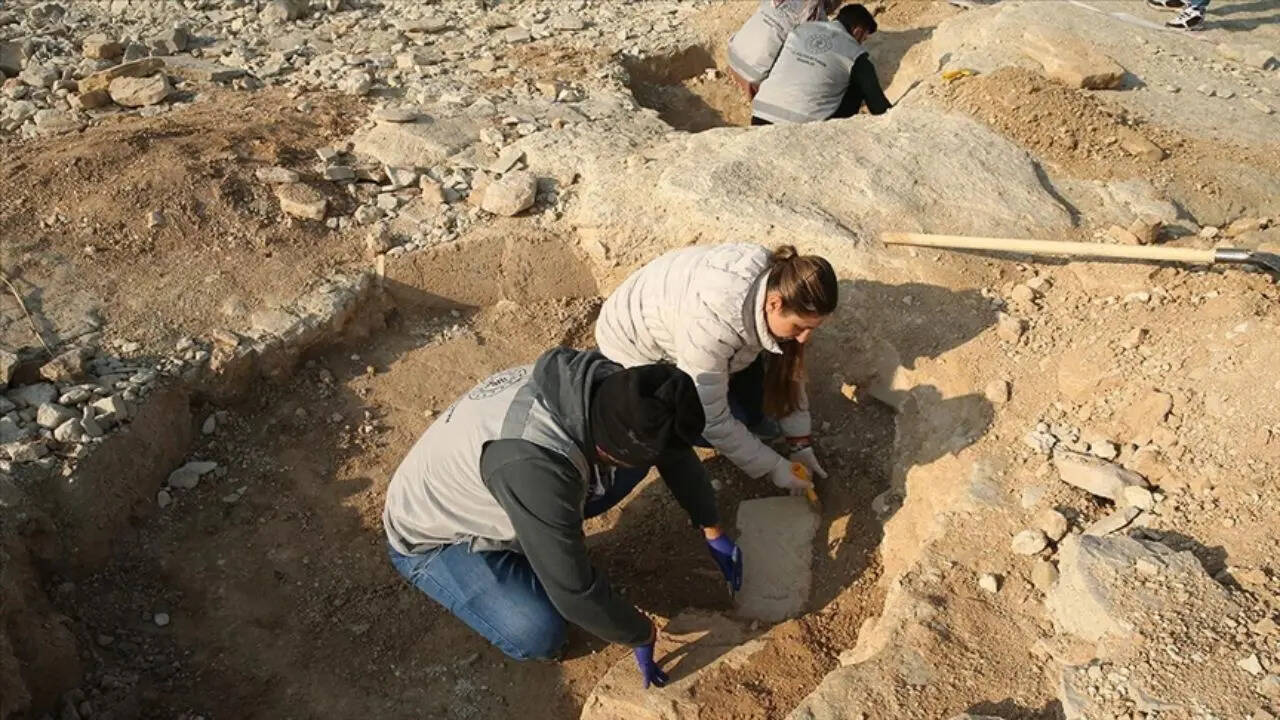
The structure was found during research and excavation work in the area surrounding the Atatürk Dam. This region is part of a larger project in Turkey that looks for very old stone sites. Workers found stone walls, pillars, and rooms that had been buried under the earth for thousands of years. The style of the building is similar to other famous sites in the region, featuring heavy stones that would have required many people to move and place them correctly.
Important Numbers and Facts
The site dates back to the Neolithic period, specifically around 9,000 BC. This makes it roughly 11,000 years old. To put that in perspective, it is thousands of years older than the pyramids in Egypt or Stonehenge in England. The structure is located in the Euphrates River basin, an area often called the "cradle of civilization" because so many early human developments happened there. The stones used in the building are large and show that the people who lived there had tools and skills to shape hard rock.
Background and Context
The Neolithic era was a turning point for humans. It was the time when people started to settle down in one place instead of moving around to find food. This specific find is part of a group of sites in Turkey known as the "Stone Hills." The most famous of these is Göbeklitepe, which is often called the oldest temple in the world. Finding another structure near the Atatürk Dam shows that Göbeklitepe was not alone. There was likely a whole network of these communities living across the region, sharing ideas and building techniques.
The Atatürk Dam itself is one of the largest dams in the world. While the dam provides water and electricity, the rising water levels in the past have sometimes covered old historical sites. Archaeologists work quickly in this area to find and save as much information as possible before it is lost or damaged by water and time.
Public or Industry Reaction
Historians and scientists around the world are very excited about this news. They believe that every new site found in this part of Turkey adds a piece to the puzzle of human origins. Local officials in Turkey are also happy because these finds bring more visitors and researchers to the area. There is a growing sense of wonder about how people with no metal tools or wheels could create such lasting monuments. Experts say this discovery proves that the region was a major center for human activity at the very beginning of settled life.
What This Means Going Forward
Now that the structure has been found, the next step is to study it carefully. Researchers will look for small items like bone tools, seeds, or pieces of stone to learn what the people ate and how they spent their days. There is also a need to protect the site from the weather and from the nearby dam water. In the future, this site might be opened to the public so people can see the work of their ancestors from 11,000 years ago. It will likely lead to more digging in nearby areas to see if more buildings are hidden underground.
Final Take
This 11,000-year-old find at the Atatürk Dam is a reminder of how much we still have to learn about our past. It shows that early humans were smart, organized, and capable of great things long before the start of written history. As more of these sites come to light, the story of how we became a civilized society continues to grow more interesting and complex.
Frequently Asked Questions
How old is the structure found in Turkey?
The structure is approximately 11,000 years old, dating back to the early Neolithic period around 9,000 BC.
Where exactly was this discovery made?
It was discovered in the southeastern region of Turkey, specifically in the area surrounding the Atatürk Dam along the Euphrates River.
Why is this discovery important for history?
It is important because it shows that early humans were building complex stone structures and living in organized societies much earlier than previously believed, even before farming became common.

